

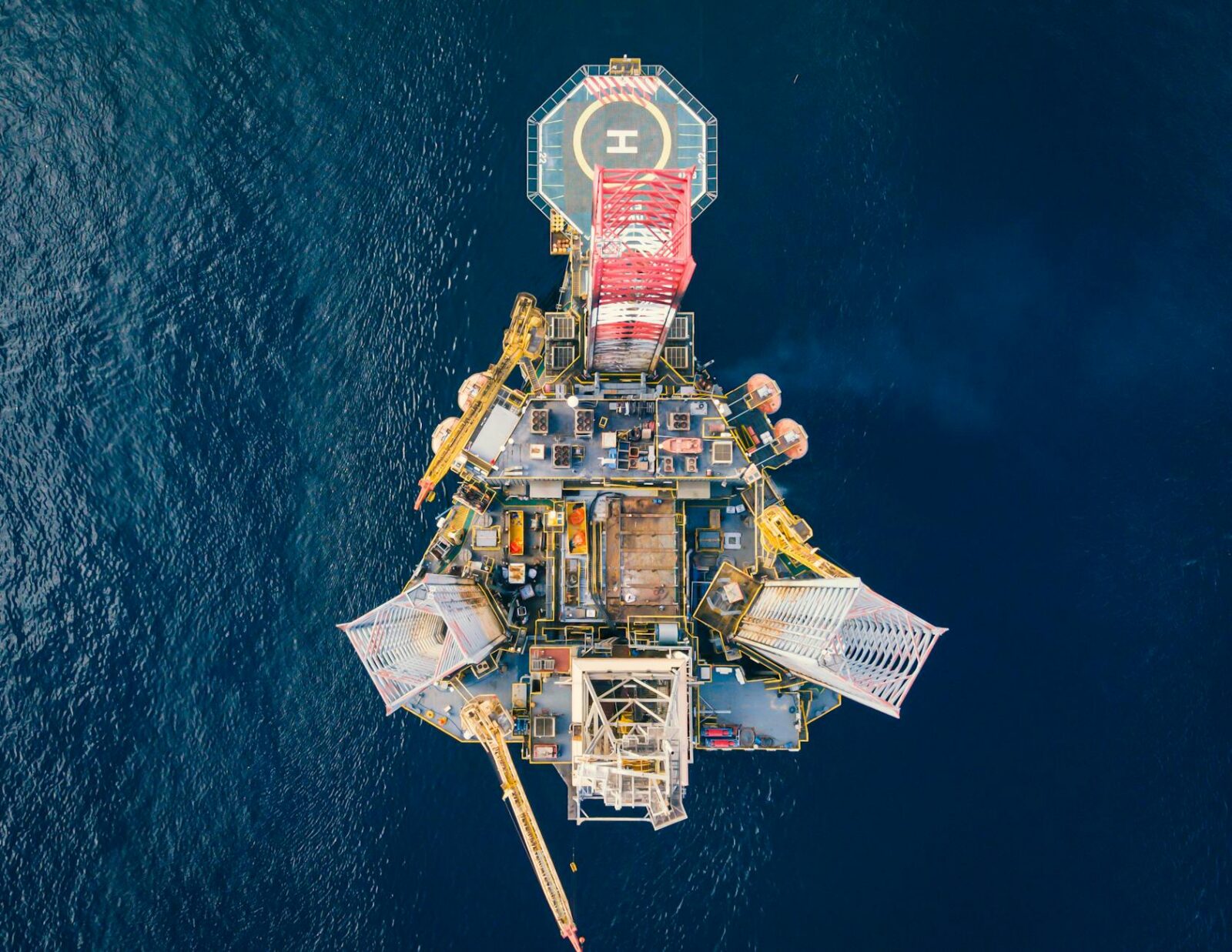
As of May 31, 2026, a comprehensive analysis published by Visual Capitalist has ranked the world’s top crude oil producers for 2025, providing critical insights into the evolving landscape of global energy production. This report highlights the dominance of the United States, which retained its position as the leading crude oil producer, producing approximately 12.8 million barrels per day (bpd). Following the U.S. are Saudi Arabia and Russia, with production levels of 10.5 million bpd and 10.3 million bpd, respectively. This ranking is pivotal as it reflects not only the supply capabilities of these nations but also their strategic significance in a world increasingly focused on energy transition.
The implications of these rankings are profound. The sustained high production levels from the U.S. and its allies signal a continued reliance on fossil fuels, despite global commitments to reduce carbon emissions. This dynamic is particularly relevant as countries navigate the delicate balance between energy security and climate commitments. The OPEC+ coalition, led by Saudi Arabia and Russia, remains influential in managing oil prices through production cuts or increases, further complicating the global energy equation.
Moreover, the geopolitical ramifications are significant. Nations that depend heavily on oil exports, such as Venezuela and Iran, continue to struggle with sanctions and economic instability, which affects their production capabilities and global market presence. The ongoing tensions in Eastern Europe and the Middle East also add layers of complexity to global oil supply chains. As countries like China and India ramp up their energy needs, the competition for crude oil is likely to intensify, raising questions about future pricing and availability.
Looking ahead, the global energy landscape is poised for transformation. With the increasing push for renewable energy sources, the sustainability of high oil production rates may soon be challenged. Investors and policymakers must consider how these rankings will influence future energy strategies, particularly as nations strive to meet their climate goals while ensuring energy security. The next few years will be crucial in determining how these dynamics play out in the context of both energy markets and international relations.
Source: EnergyNow.com








Kyiv Launches Strikes on Russian Pipeline and Oil Depot
Kyiv's targeted strikes highlight escalating tensions in the Russia-Ukraine conflict, impacting global...
 1 Mins read

Hamilton Firm Secures Contract to Supply Drone Systems to Ukraine Amid Ongoing Conflict
This contract underscores the global arms industry's role in the Ukraine-Russia conflict...
1 Mins read
Russia Authorizes Banks to Use Armed Defense Against Drones
Russia's directive to banks to arm staff and shoot down drones signals...
1 Mins read



Russia Intensifies Campaign to Acquire Western Defense Secrets, Officials Report
Russia's escalating efforts to infiltrate Western defense systems pose significant risks to...
1 Mins read
Leave a comment