
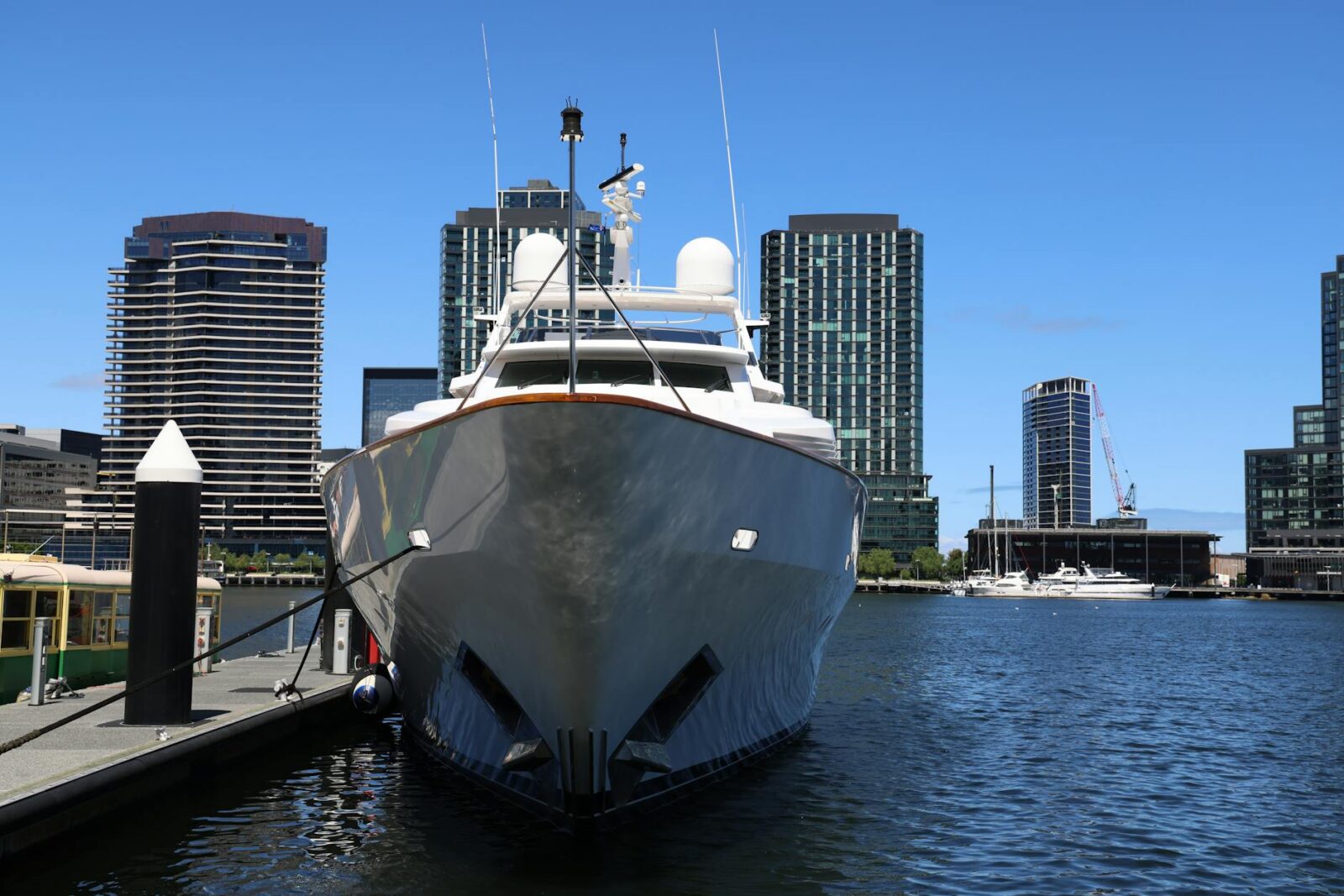
In the last 48 hours, the superyacht industry has seen a remarkable surge, with reports indicating a rise in orders and investments that are reshaping local economies, particularly in coastal regions. This boom is largely driven by an influx of billionaires who are increasingly investing in luxury vessels, creating a ripple effect that impacts various sectors, from hospitality to construction.
Key players in this phenomenon include prominent yacht manufacturers and luxury service providers, many of whom are expanding operations to accommodate the growing demand. For instance, major shipyards in regions like the Mediterranean and the Caribbean are ramping up production, with some reporting an increase in revenue by over 30% compared to last year. This shift not only signifies a robust recovery from the economic downturn caused by the pandemic but also highlights the stark contrast between the elite and the broader population grappling with rising living costs.
This trend matters globally as it underscores the widening wealth gap, with billionaires amassing luxury assets while many communities struggle with basic economic challenges. The superyacht boom raises questions about sustainability and the long-term effects on local environments, particularly in areas already strained by over-tourism and climate change. Global leaders and policymakers are now faced with the challenge of balancing economic growth driven by luxury industries with the pressing need for equitable resource distribution and environmental stewardship.
Looking ahead, if this trend continues, we may see a further entrenchment of wealth in coastal areas, potentially leading to increased social tensions. Local governments might be compelled to implement policies that address these disparities, possibly through taxation or investment in community development projects. As the world watches, the actions taken in response to this economic upheaval could set important precedents for how wealth is managed in the future.
Source: Money.ca










Blue Origin Faces Extended Delays Following Rocket Explosion, Strengthening SpaceX’s Market Position
Blue Origin's recent setbacks accentuate SpaceX's growing dominance in the aerospace sector,...
 ABL1 Mins read

Pope Leo XIV Emphasizes Divine Communion in Recent Address
Pope Leo XIV's emphasis on communion highlights the urgent need for global...
ABL1 Mins read
Ukraine Adapts Real-World Military Engagements into Drone Training Programs
Ukraine's innovative approach to drone warfare training highlights the evolving nature of...
ABL1 Mins read



Blue States Propose 100 Percent Tax on Trump’s Anti-Weaponization Payouts
The proposed tax highlights deepening political divides and raises questions about fiscal...
ABL1 Mins read
Leave a comment