


In a significant development on May 31, 2026, the Federal Bureau of Investigation (FBI) announced that it has traced a substantial embezzlement of welfare funds from Minnesota to a luxury high-rise in Nairobi, Kenya, known as Mjengo Hub. This investigation reveals a sophisticated operation that siphoned millions of dollars intended for vulnerable populations in Minnesota, redirecting them to offshore accounts and luxury lifestyles far removed from their intended beneficiaries.
The FBI’s findings indicate that the fraud scheme involved multiple individuals, potentially including local operatives in both Minnesota and Kenya, who facilitated the transfer of funds through complex financial networks. The investigation is part of a larger effort by U.S. authorities to combat financial crimes that exploit social safety nets, particularly during times of economic distress exacerbated by global crises.
This case is particularly alarming as it underscores the vulnerabilities in social welfare systems that can be exploited by organized crime. With an estimated $8 million misappropriated, the implications extend beyond the immediate financial loss to the ethical and social responsibilities of governments to protect public funds. The international dimension of this case raises serious questions about the effectiveness of existing safeguards against cross-border financial fraud.
Looking ahead, the FBI’s revelations may prompt a wave of international collaboration focused on financial crime prevention. Countries may be compelled to strengthen their regulatory frameworks and enhance information-sharing protocols. Additionally, this incident could lead to renewed scrutiny of luxury developments in emerging markets, as investigators seek to understand how illicit funds are laundered through real estate. The global community must pay attention, as the integrity of welfare systems and the trust in public governance hinge on the ability to combat such financial malfeasance effectively.
Source: Mjengo Hub








Donald Trump Jr. Plans White House Wedding Amid Political Uncertainty
Donald Trump Jr.'s wedding plans raise questions about the future of political...
 1 Mins read

White House Refutes Claims of Trump’s Access to Experimental Weight Loss Drug
The denial of Trump's access to a novel drug raises questions about...
1 Mins read
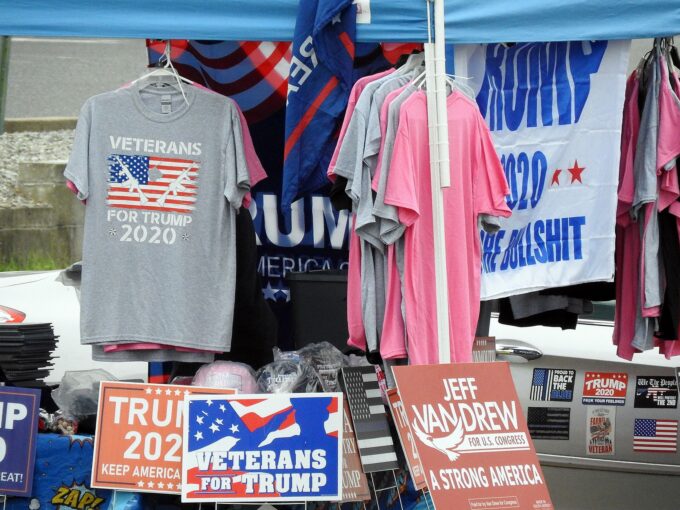
Trump Faces Identity Crisis in America’s 250th Anniversary Year
The ongoing debate over national identity under Trump signifies a pivotal moment...
1 Mins read



Bo Nickal Discusses Insights from Donald Trump During White House Visit at Penn State
The exchange between Bo Nickal and Donald Trump highlights the intersection of...
1 Mins read
