
The Art of Controversy: Navigating Historical Narratives in Contemporary Exhibition

The Intersection of Art and Historical Narratives
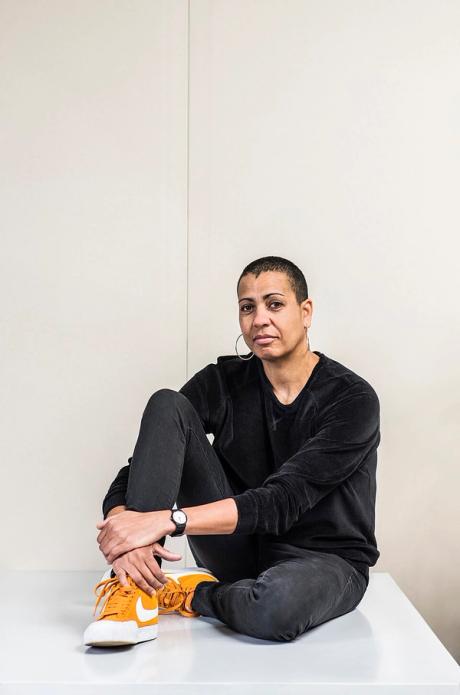
In the ever-evolving world of contemporary art, the dialogue between history and critique often sparks intense debate. Recent events surrounding Helen Cammock’s video installation highlight this dynamic, as her work questioning Winston Churchill’s legacy was removed from London’s National Portrait Gallery following public outcry. This incident not only underscores the power of art as a medium of commentary but also reflects the complexities inherent in addressing historical figures through the lens of modern sensibilities.
A Disputed Legacy
Churchill, a figure revered by many for his leadership during World War II, has increasingly come under scrutiny for his policies and their far-reaching implications. Cammock’s piece, titled ‘Persistence’, critiques the role the former Prime Minister played in the 1943 Bengal famine, a tragic event that left millions starving. While some historians, such as Andrew Roberts, have contested the attribution of blame to Churchill, the artwork challenges audiences to reconsider established narratives and engage with history in a more nuanced manner.
Cultural Significance and Market Implications
The removal of Cammock’s work from a prestigious institution raises questions about the role of art in cultural discourse. Are galleries merely custodians of traditional narratives, or should they also serve as platforms for contemporary critique? As collectors, investors, and art enthusiasts navigate this terrain, understanding the cultural significance of such works becomes paramount. The perceived rarity of Cammock’s commentary, alongside its polarizing nature, elevates its market significance, making it a focal point for discussions about value beyond mere aesthetics.
The Collector’s Mindset: Embracing Provocation
For discerning collectors, the allure of contemporary art often lies in its ability to provoke thought and inspire dialogue. Cammock’s work exemplifies this principle, encapsulating the spirit of a generation grappling with the legacies of its predecessors. Acquiring pieces that challenge the status quo not only enriches a collection but also fosters an environment where dialogue about history and ethics can flourish. Collectors must therefore consider the psychological factors at play; the desire to own a piece that embodies cultural significance can sometimes outweigh traditional metrics of investment.
Rethinking Provenance in the 21st Century
Historically, provenance has been a critical factor in determining the value of art. However, as contemporary works increasingly engage with contentious themes, the traditional narratives of ownership and history are being redefined. Cammock’s ‘Persistence’ serves as a case study in this evolution, raising questions about how the context of creation—especially when it intersects with political critique—affects a work’s desirability in the market. As the art world continues to grapple with these complexities, collectors are encouraged to delve deeper into the stories behind the pieces they acquire.
Miami’s Role in the Global Art Discourse
As a vibrant hub for contemporary art, Miami stands at the forefront of these conversations. The city’s rich cultural tapestry and its annual Art Basel event draw attention to works that push boundaries and challenge perceptions. Cammock’s removal from the National Portrait Gallery resonates deeply within the Miami art scene, where local galleries and artists frequently engage with complex narratives surrounding identity, history, and societal norms. The context of Miami’s diverse audience adds another layer to the dialogue, enriching the experience for collectors and art enthusiasts alike.
Conclusion: Embracing the Conversation
The intersection of art and history, particularly in the case of Helen Cammock’s provocative installation, invites us to reflect on the narratives we uphold and challenge. As collectors, curators, and enthusiasts, it is vital to approach these works with an open mind, recognizing their potential to spark essential conversations about our shared past. In doing so, we not only honor the legacy of the artists but also contribute to a richer understanding of the cultural landscape in which we operate.
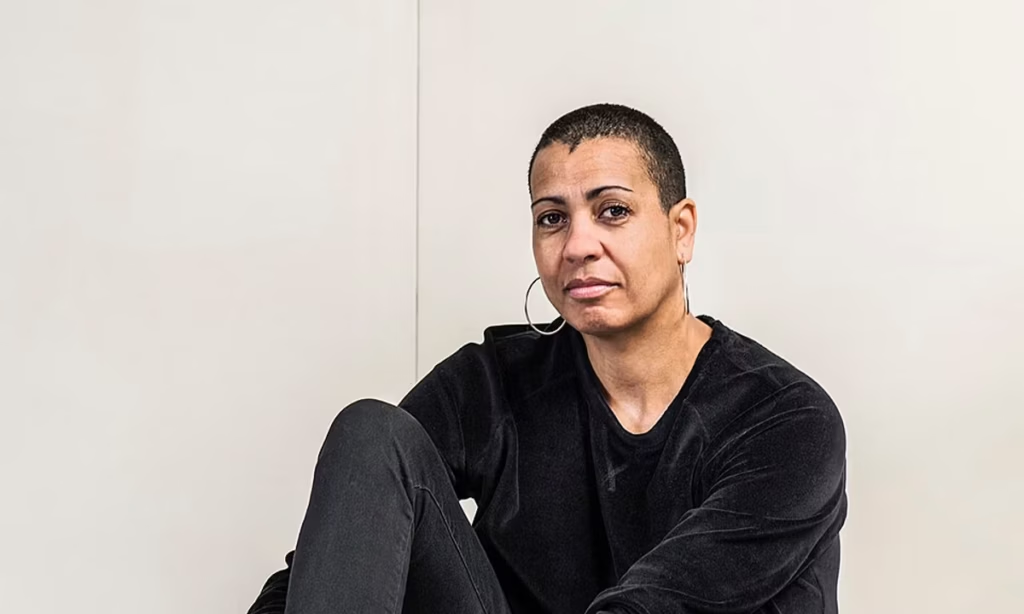
Editorial note: This article was created by A Bit Lavish Miami’s Magazine as an original editorial reinterpretation based on publicly available reporting. Original source: theartnewspaper.com. Read the original article here: https://www.theartnewspaper.com/2026/06/24/helen-cammock-video-work-criticising-winston-churchill-removed-from-national-portrait-gallery.
Images are used for editorial reference with source credit. If an image requires correction or removal, please contact A Bit Lavish.








Navigating Fantasy: The Allure of Rare Literary Cartography
Explore the captivating intersection of literature and cartography in an upcoming Zurich...
 3 Mins read

Cuauhtémoc Medina: Curatorial Visionary Set to Elevate Guatemala’s Bienal de Arte Paiz
Explore the profound impact of Cuauhtémoc Medina's curatorial approach as he prepares...
2 Mins read

Unveiling Deception: The Forgery Scandal Shaking the Art World
An in-depth exploration of the Giuliano Ruffini forgery scandal, its implications for...
2 Mins read



Transition at the Top: A New Era for the Art Gallery of Ontario
As Stephan Jost steps down from his role at the Art Gallery...
2 Mins read
