
Russia Launches Oreshnik Missile at Ukraine Amid Escalating Tensions
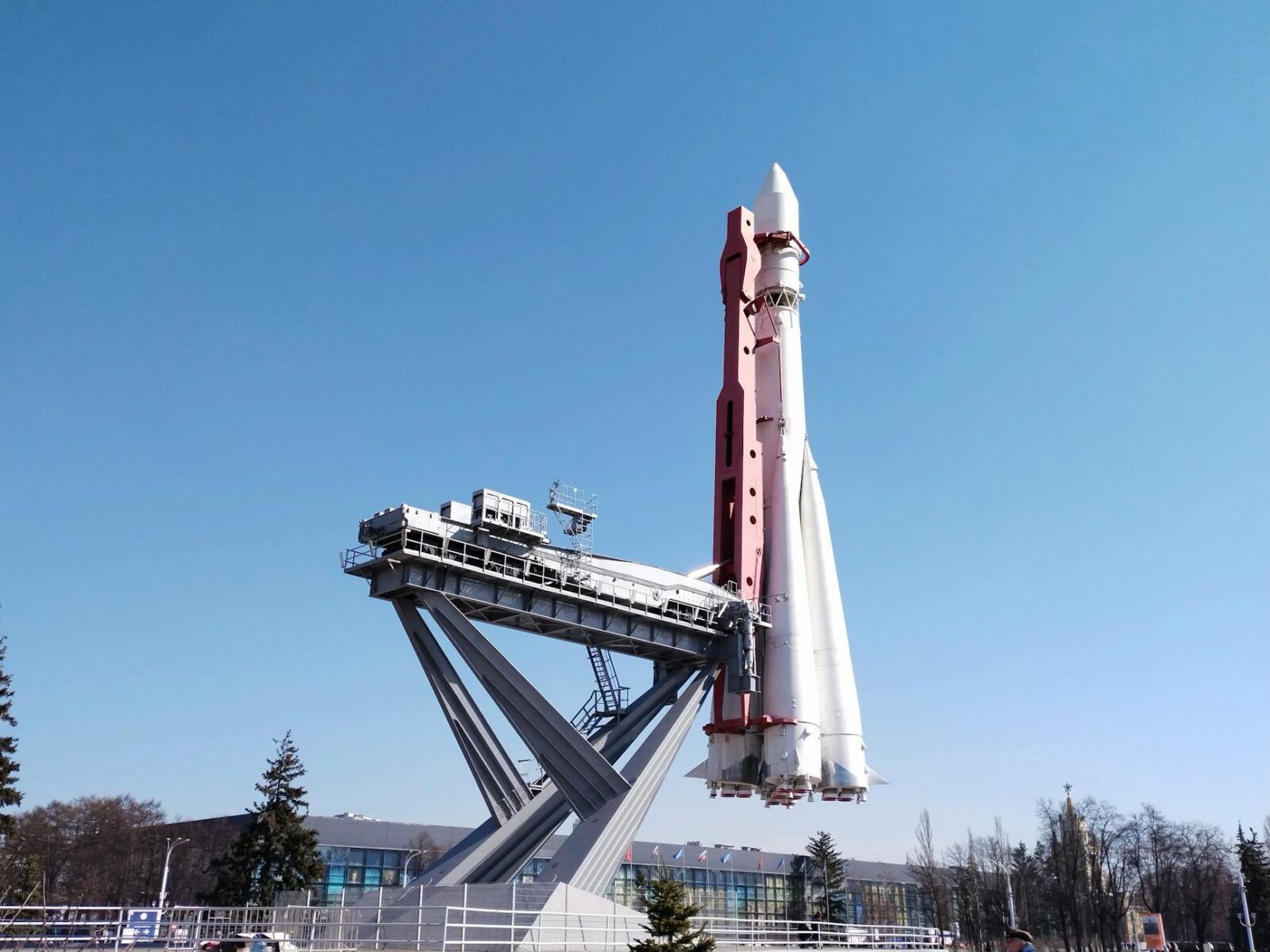
On May 31, 2026, Russia executed a missile strike utilizing the Oreshnik missile system against Ukraine, marking a significant escalation in the ongoing conflict between the two nations. This attack is part of a broader barrage that has raised alarms internationally, as it underscores the persistent volatility in Eastern Europe and the potential for wider geopolitical ramifications.
The Oreshnik missile, known for its precision and range, was reportedly launched from Russian territory, targeting key military installations in Ukraine. This incident highlights the continued militarization of the conflict, which has seen increased hostilities since the beginning of the renewed tensions in 2022. The strike not only affects Ukraine’s military capabilities but also poses a direct threat to civilian safety, raising humanitarian concerns across the region.
The involvement of Russia in this offensive is pivotal, as it reflects a calculated strategy to assert dominance in the region amidst ongoing international sanctions and diplomatic isolation. The implications of such strikes extend beyond Ukraine, influencing global security dynamics and potentially altering alliances. NATO and EU member states are closely monitoring these developments, as they may necessitate a reevaluation of defense strategies and diplomatic approaches towards Russia.
Looking ahead, the international community faces a critical juncture. Should these aggressive actions continue, they may provoke a stronger military response from NATO, further entrenching the conflict. Additionally, the potential for escalation raises questions about energy security in Europe, as Russia remains a major supplier. The world must remain vigilant as the situation evolves, understanding that each missile fired carries the weight of international consequences.
Source: MSN









Russian Drone Strikes Result in Casualties Across Ukraine as Peace Negotiations Remain Stalled
The recent escalation in drone strikes underscores the fragility of peace efforts...
 1 Mins read

Ukraine War Enters Day 1,559: Zelensky Seeks Drone Agreement with US
The potential US-Ukraine drone deal could reshape military dynamics in Eastern Europe...
1 Mins read

Ukraine’s Ascent as a Drone Superpower Takes Center Stage
Ukraine's rapid advancement in drone technology reshapes global military dynamics and underscores...
1 Mins read



Ukraine Strikes Russian Energy Infrastructure Amid Ongoing Conflict
Ukraine's targeted strikes on Russian energy facilities underscore escalating tensions and their...
1 Mins read

Leave a comment