
The Shifting Landscape of Cultural Institutions: A Reflection on the Kennedy Center
 ABLUpdated 2 months Ago2 Mins read70

Institutional Integrity in Turbulent Times
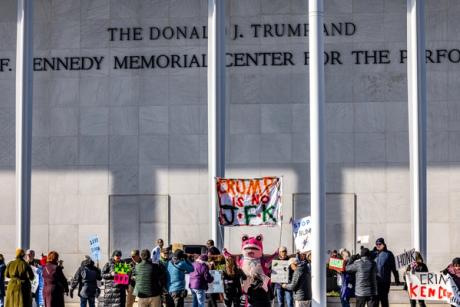
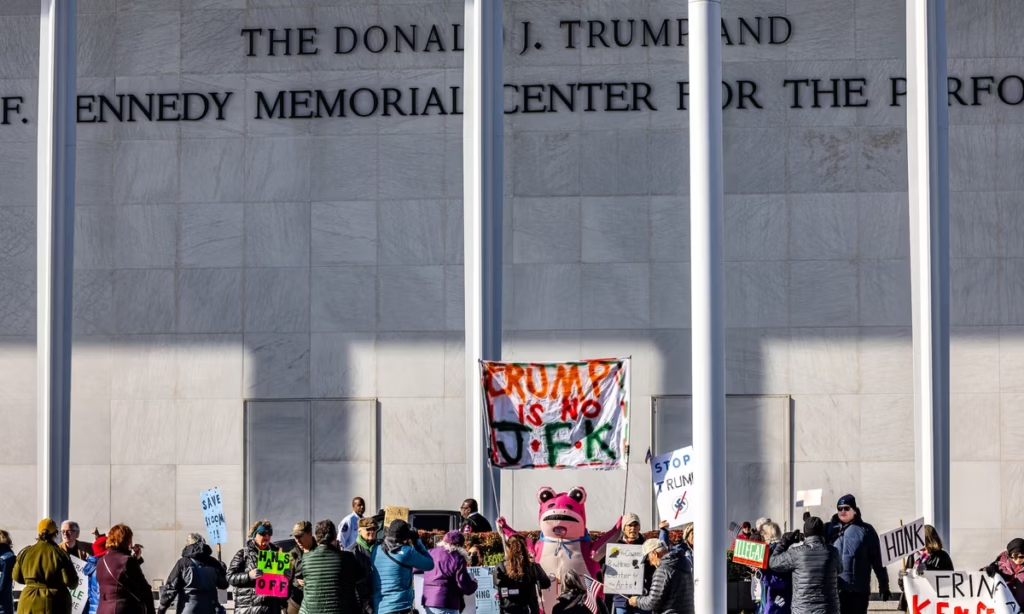
The Kennedy Center, a national beacon for artistic expression and cultural engagement, finds itself navigating a labyrinth of challenges that have emerged from recent political upheavals. As the art world grapples with the ramifications of an administration that has often been at odds with the values of inclusivity and creativity, the institution’s reputation and mission face intense scrutiny.
The Cost of Compromise
In an era where political expediency often trumps artistic integrity, the notion that one can effect change from within an institution becomes increasingly tenuous. The Kennedy Center, with its rich history and significant role in the arts, has been criticized for its perceived compromises. This raises profound questions about the efficacy of attempting to reform a structure that may be fundamentally flawed.
Rarity and Significance in the Art Market
As art collectors and investors reflect on the implications of institutional challenges, the market for art connected to cultural heritage becomes all the more significant. Works that embody the essence of resilience and authenticity are emerging as highly sought-after treasures. Collectors are increasingly drawn to pieces that carry a narrative of struggle and triumph, mirroring the broader societal discourse.
Understanding Collector Psychology
The psychology of collectors is deeply intertwined with the cultural narratives surrounding the artworks they pursue. In light of the Kennedy Center’s evolving dynamics, collectors are more discerning than ever, often seeking artworks that resonate with their values and reflect the complexities of contemporary society. The demand for pieces that tell a story—whether of adversity, activism, or cultural discourse—has surged, influencing both market trends and artistic production.
Provenance and Legacy
For collectors, the provenance of an artwork is paramount. As institutions like the Kennedy Center grapple with their identities, the legacy of artists associated with such spaces becomes critical. Collectors are not merely purchasing objects; they are investing in narratives and histories that shape cultural dialogues. The intersection of art and politics, particularly in the context of institutions facing existential challenges, adds layers of meaning to the pieces held within private collections.
The Future of Cultural Institutions
Looking ahead, the future of cultural institutions like the Kennedy Center hinges on their ability to adapt and respond to the evolving landscape. As discussions surrounding identity, inclusivity, and artistic expression become increasingly relevant, these institutions must find ways to engage authentically with their audiences while remaining true to their missions. The path forward may require a reevaluation of values, a commitment to transparency, and a willingness to embrace change.
Editorial note: This article was created by A Bit Lavish Miami’s Magazine as an original editorial reinterpretation based on publicly available reporting. Original source: theartnewspaper.com. Read the original article here: https://www.theartnewspaper.com/2026/06/01/donald-trump-kennedy-center-op-ed-opportunists.
Images are used for editorial reference with source credit. If an image requires correction or removal, please contact A Bit Lavish.







Exploring the Digital Renaissance: Venice Biennale’s Bold Embrace of Digital Art
Uncover the transformative power of digital art showcased at the Venice Biennale,...
 2 Mins read
A Tribute to the Guardians of Culture: Standing Firm in the Face of Adversity
Exploring the importance of institutional integrity in art, the role of international...
2 Mins read

Controversy in the Hamptons: The Legal Battle Over a Monumental Sculpture
Explore the intriguing legal dispute surrounding a towering sculpture in East Hampton,...
2 Mins read



Elvira Dyangani Ose: A New Vision for Cape Town’s Zeitz MoCAA
Elvira Dyangani Ose is set to bring her unique artistic vision to...
2 Mins read
