
Ancient Echoes and Modern Tensions: The Reopening of Chichén Itzá
 ABLUpdated 2 months Ago3 Mins read88

A Cultural Touchstone Reawakens
Chichén Itzá, a UNESCO World Heritage site and one of the most iconic remnants of the Mayan civilization, has once again opened its gates to visitors after a brief but impactful 13-day closure. This interruption, instigated by a conflict between local vendors and authorities over new visitor facilities, underscores the delicate interplay between heritage preservation and the economic realities faced by local communities.
The Heart of the Matter
The recent dispute arose from the introduction of updated visitor amenities, aimed at enhancing the tourist experience while ostensibly catering to the growing influx of visitors. However, the local vendors, who have long been integral to the site’s cultural fabric, voiced concerns that these changes could jeopardize their livelihoods and dilute the authenticity of the experience for tourists.
As the number of visitors to Chichén Itzá has surged, so too has the demand for improved infrastructure. Yet, this evolution brings with it the risk of commodifying the site, altering the very essence of what makes it a vital cultural landmark. The balance between modernization and preservation is precarious, prompting a broader discourse on the implications of tourism development.
The Vendors’ Perspective
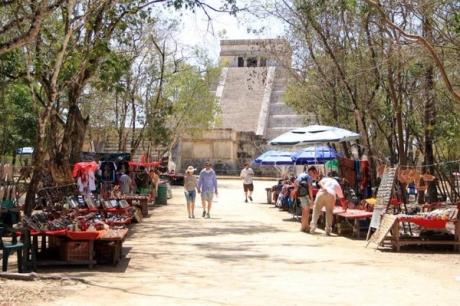
For the vendors, many of whom come from generations of families that have depended on the site’s tourism, the stakes are personal. These artisans and merchants offer handmade crafts and traditional foods that not only provide income but also serve as tangible connections to their heritage. The fear that new facilities could sideline their contributions has ignited a passionate defense of their rights and a call for equitable solutions.
The situation advocates for a deeper understanding of the cultural significance of local vendors, who act as custodians of tradition and heritage. Their products are more than mere souvenirs; they encapsulate stories and a sense of place that enrich the visitor experience. The challenge lies in creating a framework that honors both the site’s historical importance and the economic needs of the local population.
Preservation vs. Profit: A Fragile Balance
This conflict is not unique to Chichén Itzá; it reflects a global trend in tourist destinations where the push for modernization often clashes with the preservation of local cultures. The dichotomy between enhancing visitor experiences and protecting local livelihoods is a complex issue that has sparked debates among stakeholders, including government officials, conservationists, and community leaders.
In the case of Chichén Itzá, the resolution of the dispute will likely require innovative solutions that integrate community voices into the planning process. Stakeholders must collaborate to ensure that developments serve both the site’s integrity and the community’s economic needs, fostering a sense of ownership and shared responsibility.
Looking Ahead: A Collaborative Future
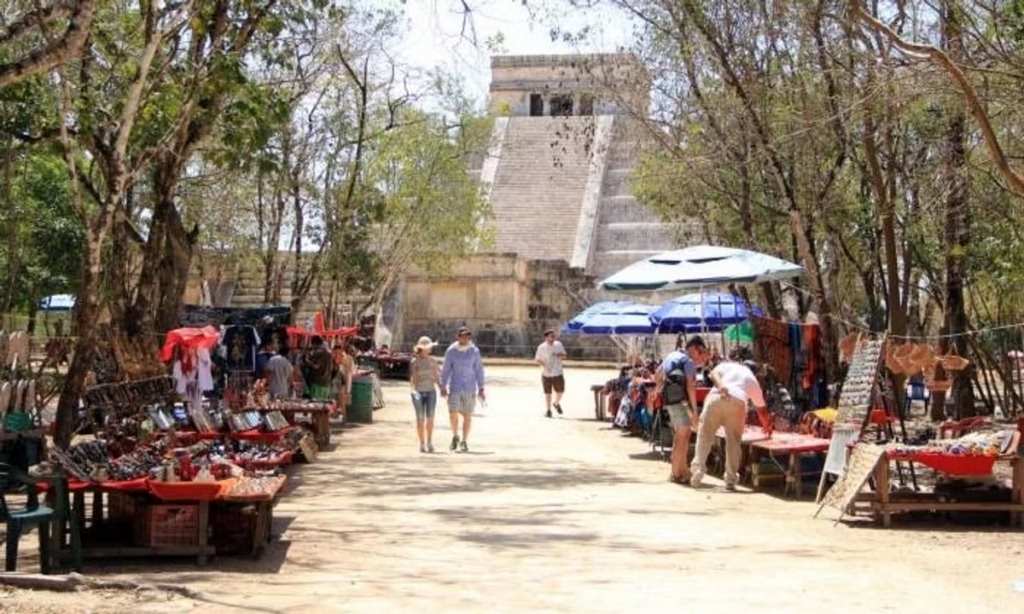
The reopening of Chichén Itzá heralds a new chapter for both the site and its community. It is a moment ripe for reflection on the broader implications of tourism in heritage contexts. As visitors return to explore the grandeur of the Mayan ruins, there is an opportunity to engage in a more profound dialogue about the role of local vendors in this narrative.
By recognizing the unique contributions of these artisans, a more holistic tourism model can emerge—one that respects cultural heritage while providing economic benefits to the local community. This approach not only enriches the visitor experience but also strengthens the cultural identity tied to these ancient sites.
Conclusion: A Call for Sustainable Practices
As Chichén Itzá reopens its doors, the lessons learned from this dispute resonate far beyond its borders. They serve as a reminder of the importance of balancing development with cultural preservation. The true essence of such historical sites lies not only in their architecture but also in the living traditions that surround them. Moving forward, a commitment to sustainable practices that honor both the past and the present will be crucial in shaping a future where both tourism and local livelihoods can thrive in harmony.
Editorial note: This article was created by A Bit Lavish Miami’s Magazine as an original editorial reinterpretation based on publicly available reporting. Original source: theartnewspaper.com. Read the original article here: https://www.theartnewspaper.com/2026/06/01/chichen-itza-reopens-vendor-dispute.
Images are used for editorial reference with source credit. If an image requires correction or removal, please contact A Bit Lavish.









The Journey of Van Gogh’s ‘Tarascon Stagecoach’: A Cultural Treasure Arrives in New York
Explore the rich history and significance of Van Gogh's 'Tarascon Stagecoach,' a...
 3 Mins read

The Meltdown: A Cultural Crisis at the Smithsonian
Explore the implications of the Smithsonian's museum closures due to a cooling...
2 Mins read

Unearthing the Past: The Aquiry Civilization’s Hidden Legacy in the Amazon
A groundbreaking study reveals the extensive earthworks of the Aquiry civilization in...
2 Mins read



Echoes of History: The Loss of a 300-Year-Old Cossack Church in Ukraine
Exploring the cultural significance and tragic loss of the Holy Presentation Church,...
2 Mins read
