
Trump Appoints Bill Pulte as Acting Intelligence Director, Succeeding Tulsi Gabbard
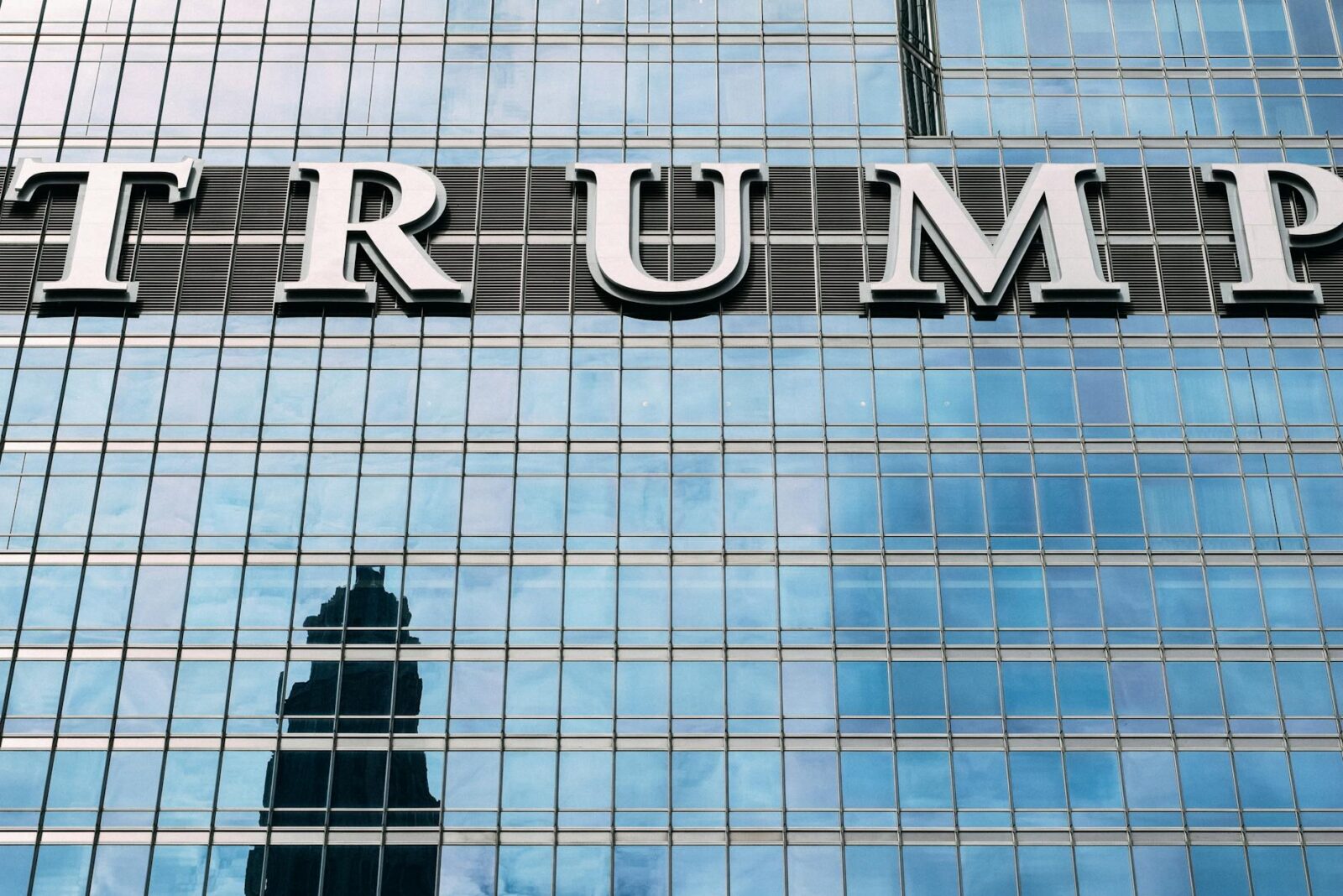
In a significant reshuffle within the U.S. intelligence community, President Donald Trump has appointed Bill Pulte, the current head of the Department of Housing and Urban Development (HUD), as the acting director of national intelligence. This decision comes as a direct replacement for Tulsi Gabbard, who has held the position since early 2025. The announcement was made on June 2, 2026, and reflects a strategic pivot in the administration’s approach to intelligence operations.
Pulte, known for his philanthropic initiatives and real estate ventures, steps into a role that has historically been filled by seasoned intelligence professionals. His appointment raises critical questions about the future direction of U.S. intelligence policy, particularly in the context of increasing global security threats and the ongoing tensions with nations such as China and Russia. Gabbard’s departure, after a brief tenure marked by her focus on transparency and civil liberties, signals a potential shift towards a more aggressive stance on national security under Pulte’s leadership.
This transition is noteworthy not only for its implications on domestic intelligence operations but also for its potential ripple effects on international relations. As the world grapples with complex geopolitical landscapes, the U.S. intelligence apparatus plays a crucial role in shaping foreign policy decisions. Pulte’s background in housing and urban development may bring a different perspective to intelligence strategies, emphasizing socio-economic factors in national security.
Looking ahead, the implications of this appointment could be far-reaching. Analysts will be closely monitoring how Pulte’s leadership influences U.S. intelligence priorities and whether it aligns with Trump’s broader policy agenda. The administration’s ability to effectively address emerging global threats while managing internal dynamics will be pivotal in determining the future of U.S. intelligence operations in an increasingly volatile world.
Source: CNBC







Zelenskyy Orders Proactive Measures Against Russian Military Assets
Ukrainian President Zelenskyy's directive underscores escalating tensions and strategic shifts in the...
 1 Mins read

Russia’s Strategic Retreat in Ukraine Signals Urgent Need for Peace Negotiations
The global community must recognize Russia's weakened position in Ukraine to facilitate...
1 Mins read
Trump and Senator Cassidy Clash in Capitol Hill Showdown
The confrontation between Trump and Cassidy underscores deep divisions within the Republican...
1 Mins read


NATO’s Key Diplomat Engages with White House Ahead of Critical Summit
NATO's outreach to the White House underscores the alliance's strategic importance in...
1 Mins read