
Russian Offensive Intensifies, 18 Killed in Latest Assault on Ukraine

In a significant escalation of military hostilities, Russian forces launched a massive attack across Ukraine on June 2, 2026, resulting in the deaths of at least 18 civilians, according to local officials. This assault underscores a troubling increase in violence as Moscow intensifies its military campaign, which has already resulted in widespread devastation and loss of life since the conflict reignited.
The latest offensive has seen missile strikes and artillery bombardments targeting urban centers, exacerbating the humanitarian crisis that has plagued the region for years. Ukrainian authorities have condemned the attacks, calling them a blatant violation of international law and a direct threat to civilian lives. The Ukrainian government, led by President Volodymyr Zelensky, has reiterated its commitment to defending its sovereignty while appealing for increased support from Western allies.
This escalation is particularly alarming given the backdrop of ongoing diplomatic efforts to resolve the conflict, which have repeatedly stalled amid mutual accusations of aggression. The international community is closely monitoring the situation, as the implications of a prolonged conflict extend far beyond Ukraine’s borders, affecting global energy markets and geopolitical stability. The recent surge in violence raises questions about the effectiveness of existing sanctions on Russia and the potential need for a reevaluation of international strategies regarding the conflict.
As the situation develops, the potential for further military escalation remains high. Analysts suggest that if the current trajectory continues, we may see an increase in military aid to Ukraine from the West, alongside calls for a more robust international response to Russian aggression. The stakes are particularly high as global leaders must navigate the complex web of alliances and the urgent need for humanitarian assistance to those affected by the ongoing violence.
Source: AP News









Federal Judge Blocks Trump Administration’s Obesity Initiative Amid White House Response
The ruling highlights ongoing tensions in U.S. health policy and its global...
 1 Mins read

Trump Demands Election Reforms as Condition for Signing Affordable Housing Bill
Trump's ultimatum on housing legislation highlights the intersection of housing policy and...
1 Mins read

DOJ Disqualification Request Denied in Trump Correspondents Dinner Case
The denial of the DOJ's request underscores ongoing legal complexities surrounding former...
1 Mins read
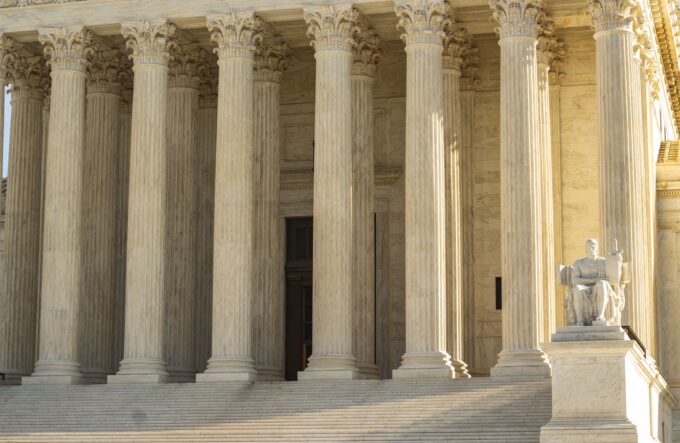


Supreme Court Rulings Empower Trump Administration in Immigration Policy
The Supreme Court's recent decisions grant the Trump administration significant authority over...
1 Mins read
