
Putin’s Economic Forum Reflects Global Tensions Amidst Ongoing Conflict
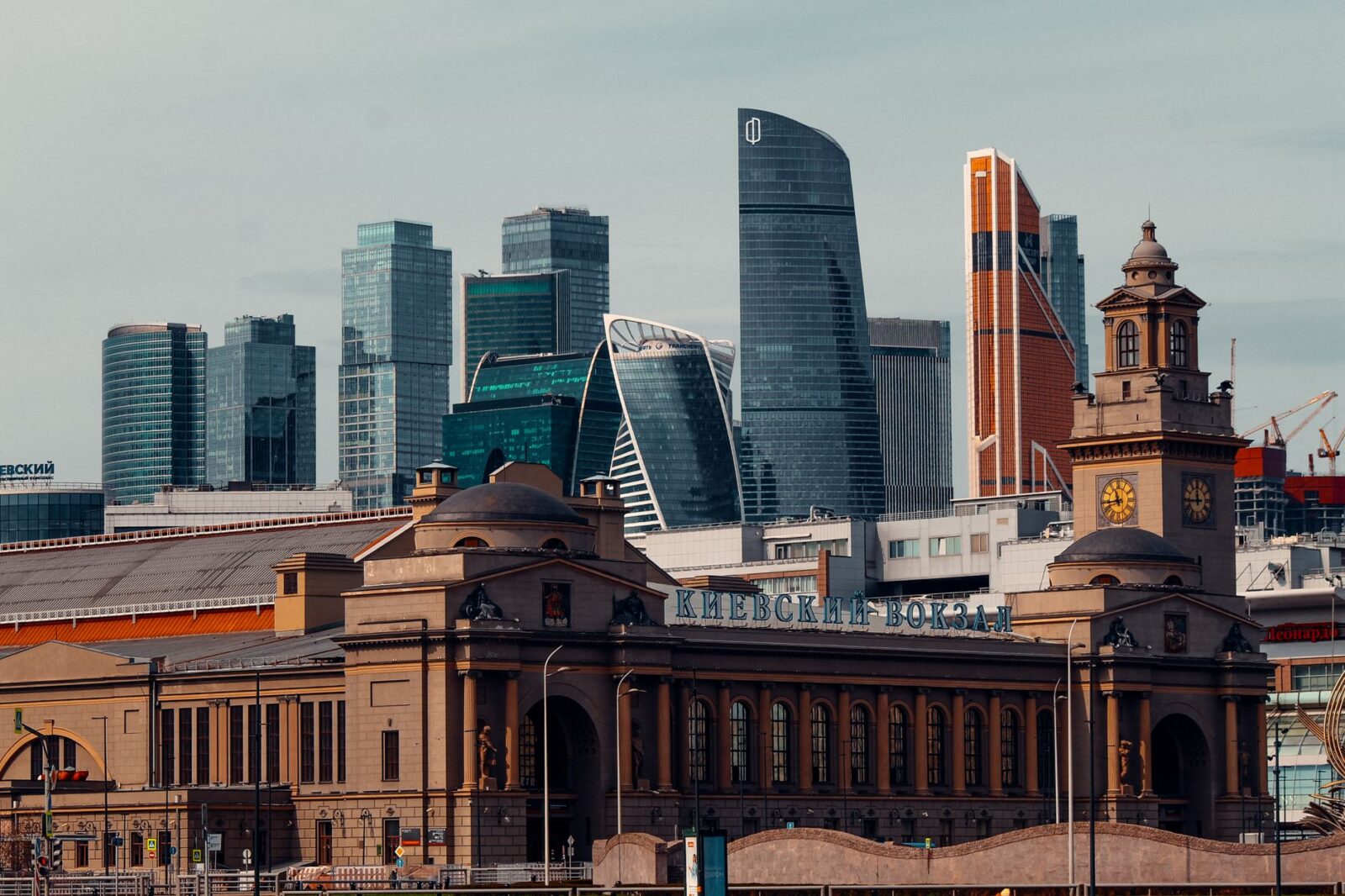
On June 2, 2026, Russian President Vladimir Putin convened a high-profile economic forum in St. Petersburg, often dubbed Russia’s version of Davos. This event, while showcasing a veneer of opulence and attracting influential figures from various sectors, starkly contrasts with the grim backdrop of ongoing military conflict in Ukraine and a stagnant Russian economy. The forum has drawn attention not only for its attendees but also for the palpable tension that underpins the discussions, reflecting Russia’s isolation on the world stage.
Key figures present at the forum included prominent business leaders, international investors, and political influencers, all of whom are grappling with the implications of Russia’s geopolitical maneuvers. The agenda ostensibly focused on economic recovery and investment opportunities within Russia, yet the shadow of the war looms large. The conflict in Ukraine, which has now extended into its fourth year, continues to deter foreign investment and complicate Russia’s economic landscape, as Western sanctions remain firmly in place.
This forum matters globally as it underscores the challenges facing not just Russia but the broader international community. With ongoing military actions and a faltering economy, the implications for global energy markets and security alliances are profound. Countries reliant on Russian energy resources are navigating a complex web of dependency and strategic realignment, further complicated by the potential for renewed military escalations in Eastern Europe.
Looking ahead, the outcomes of this forum may influence Russia’s economic policies and international relations. Should the discussions yield no substantial breakthroughs, Russia could face increased internal dissent and further isolation. Conversely, if Putin manages to secure new alliances or investment commitments, it could embolden his administration. The world watches closely, as the ramifications of these decisions will resonate far beyond Russia’s borders.
Source: Internazionale








Federal Judge Blocks Trump Administration’s Obesity Initiative Amid White House Response
The ruling highlights ongoing tensions in U.S. health policy and its global...
 1 Mins read
Trump Demands Election Reforms as Condition for Signing Affordable Housing Bill
Trump's ultimatum on housing legislation highlights the intersection of housing policy and...
1 Mins read

DOJ Disqualification Request Denied in Trump Correspondents Dinner Case
The denial of the DOJ's request underscores ongoing legal complexities surrounding former...
1 Mins read


Supreme Court Rulings Empower Trump Administration in Immigration Policy
The Supreme Court's recent decisions grant the Trump administration significant authority over...
1 Mins read
