
Trump Hosts Exclusive UFC Event for Non-Obese Troops at the White House
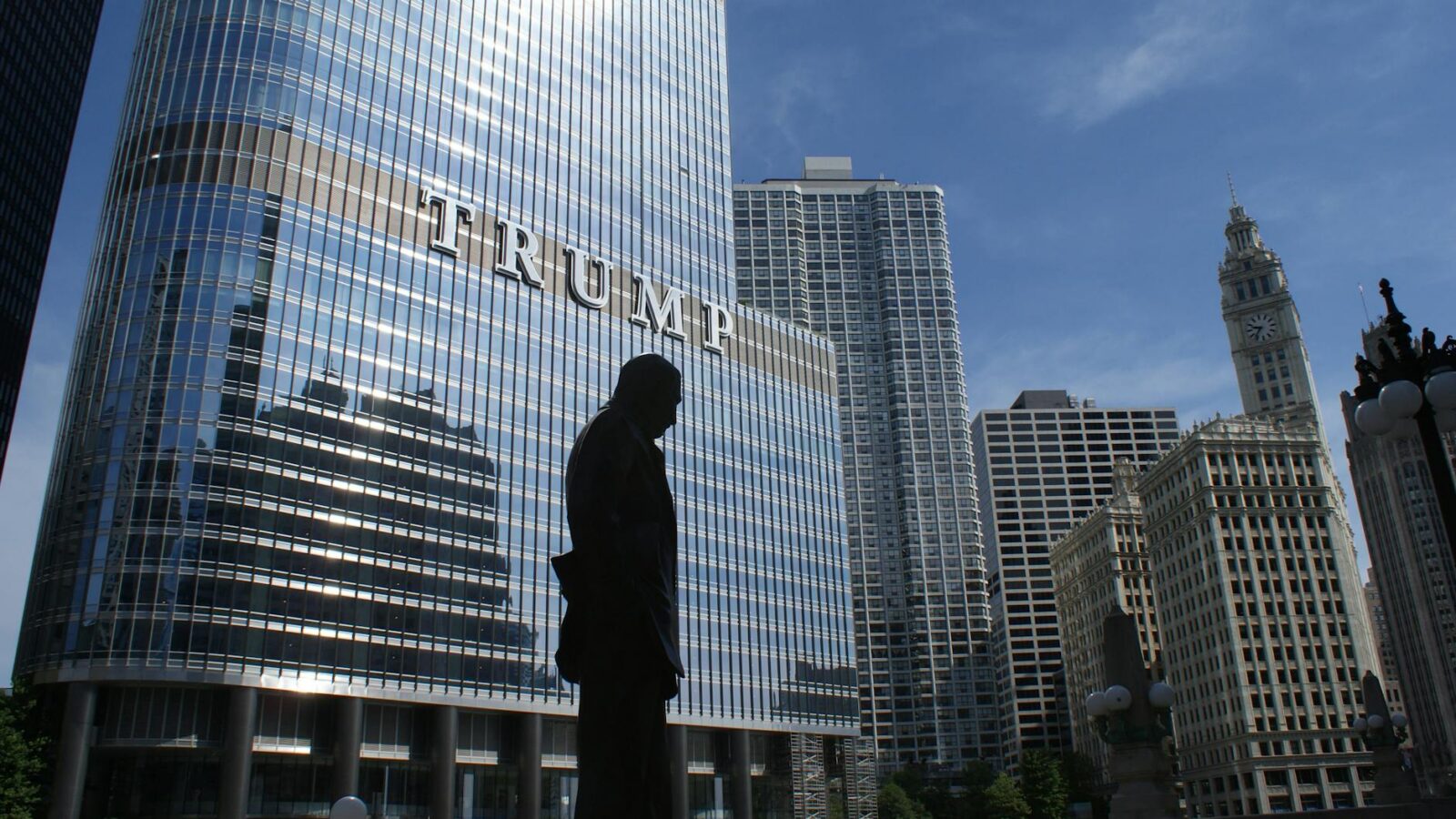
On June 3, 2026, former President Donald Trump hosted a unique event at the White House, inviting only non-obese troops to participate in a UFC-themed gathering. This unprecedented decision has sparked significant discussions regarding health standards and inclusivity within military ranks. The event, which features prominent UFC fighters, aims to promote physical fitness and combat readiness among service members.
The criteria for invitation—specifically the exclusion of obese troops—reflects a broader dialogue about the physical and mental preparedness of military personnel. According to recent Department of Defense statistics, approximately 75% of young Americans are ineligible for military service, with obesity being a leading disqualifying factor. Trump’s event underscores a critical intersection between health policy and military effectiveness, drawing attention from military leaders and health advocates alike.
This selective invitation not only highlights a growing concern over obesity within the armed forces but also raises questions about the inclusivity of military culture. Critics argue that such exclusivity may alienate service members who do not meet specific health metrics, potentially undermining morale and unity among troops. Moreover, this event could set a precedent regarding how military fitness is perceived and prioritized within the broader societal context.
Looking ahead, the implications of this event may extend beyond the White House. If Trump’s approach gains traction, it could influence future military recruitment strategies and health initiatives aimed at combating obesity. Additionally, this could spur legislative discussions around military health policies, potentially reshaping how the armed forces view and implement standards for physical fitness. As the global community watches, the outcome of this event may resonate far beyond the confines of the White House, impacting military and health policies worldwide.
Source: MSN






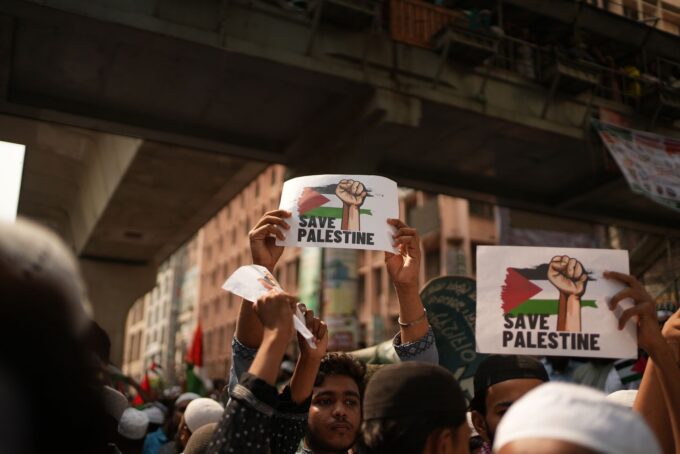
Israel and Hezbollah Ceasefire Agreement Amid US-Iran Tensions
The recent ceasefire between Israel and Hezbollah reflects shifting dynamics in Middle...
 1 Mins read
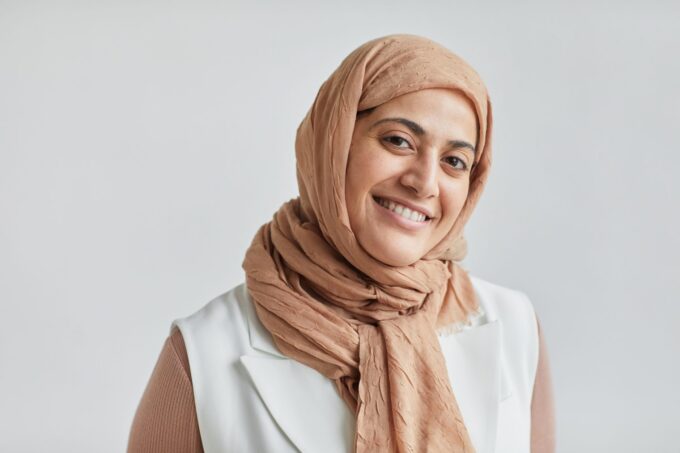
Oxfam’s Bushra Khalidi Addresses UN Security Council on Gaza Situation
Khalidi's address underscores urgent humanitarian needs in Gaza, highlighting global implications of...
1 Mins read
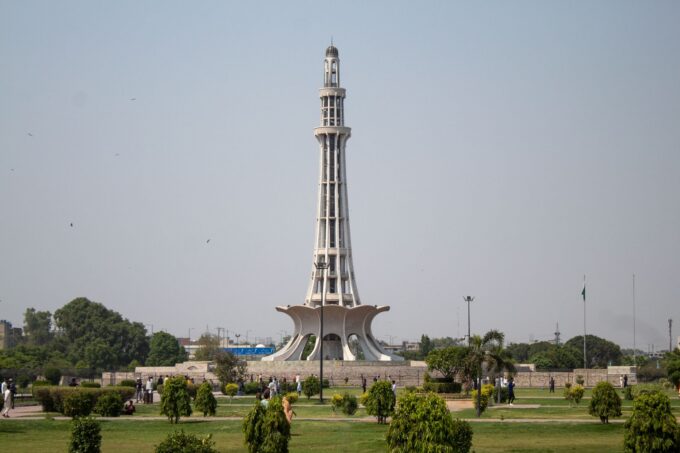
Pakistan Urges UN Security Council to Address Gaza Crisis
Pakistan calls for urgent international action as Gaza faces escalating humanitarian challenges,...
1 Mins read
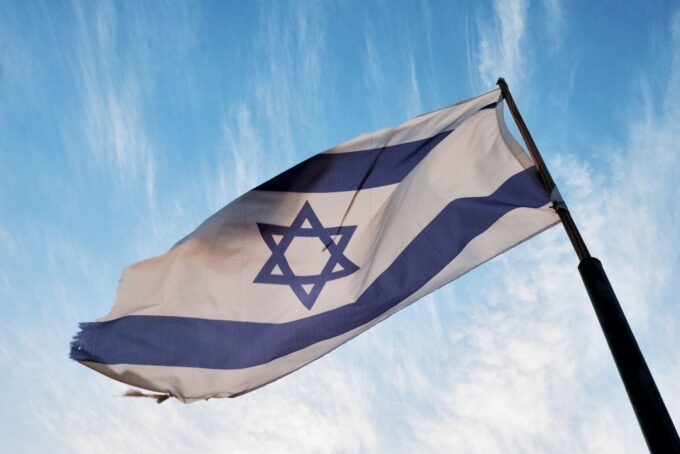


Israeli Airstrikes in Southern Lebanon Result in Five Fatalities Amid Ceasefire Tensions
The recent escalation in Israel-Lebanon tensions threatens stability in the region and...
1 Mins read