
Israeli Airstrikes in Southern Lebanon Result in Five Fatalities Amid Ceasefire Tensions
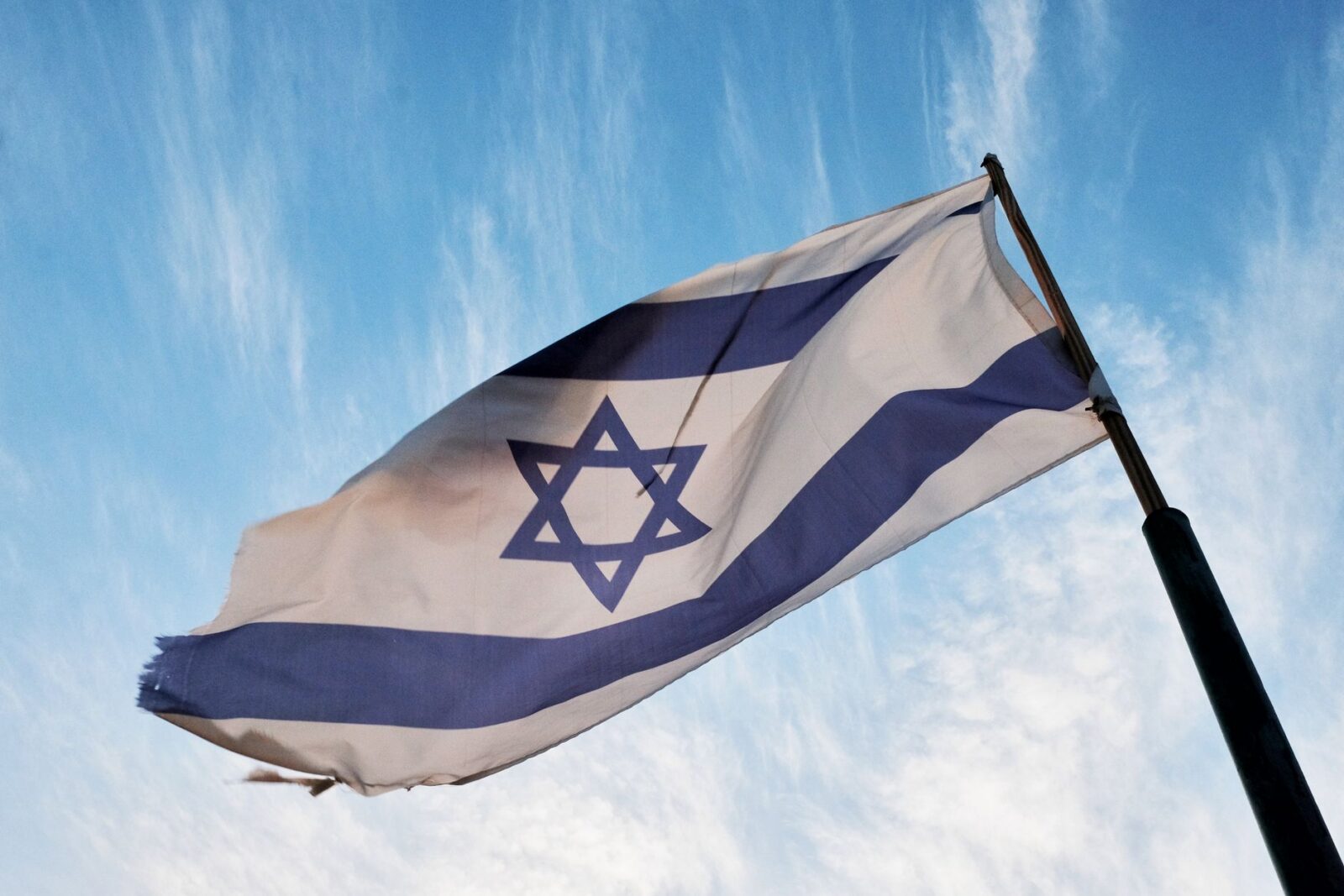
In a significant escalation of violence, Israeli airstrikes in southern Lebanon have resulted in the deaths of five individuals, raising urgent questions about the fragile ceasefire that has been in place in the region. The strikes, which occurred on June 20, 2026, come amidst a backdrop of heightened tensions between Israel and Hezbollah, the Lebanese militant group. This incident underscores the precarious situation in the Levant, where any miscalculation could lead to broader conflict.
The victims of the airstrikes have not been publicly identified, but sources indicate that they were likely affiliated with Hezbollah, which has been a longstanding adversary of Israel. This incident marks a troubling development in the ongoing conflict, as both sides have previously engaged in sporadic skirmishes while attempting to maintain a semblance of a ceasefire. The timing of these strikes is particularly concerning, given the recent efforts by international actors to mediate lasting peace in the region.
The ramifications of this violence extend beyond the immediate casualties. The ongoing instability poses a threat not only to Lebanon but also to neighboring countries and international interests in the Middle East. Analysts warn that if retaliatory actions occur, the situation could spiral out of control, drawing in regional powers and exacerbating existing geopolitical tensions. The potential for a broader conflict could disrupt critical trade routes and impact global oil markets, emphasizing the need for immediate diplomatic intervention.
As the situation develops, world leaders and diplomats are urged to engage proactively to de-escalate tensions. The international community must recognize the urgent need for dialogue and conflict resolution mechanisms to prevent further loss of life and to stabilize the region. Without concerted efforts, the specter of a renewed conflict looms large, with far-reaching consequences for global security and economic stability.
Source: Ratopati









Israel and Hezbollah Ceasefire Agreement Amid US-Iran Tensions
The recent ceasefire between Israel and Hezbollah reflects shifting dynamics in Middle...
 1 Mins read

Oxfam’s Bushra Khalidi Addresses UN Security Council on Gaza Situation
Khalidi's address underscores urgent humanitarian needs in Gaza, highlighting global implications of...
1 Mins read
Pakistan Urges UN Security Council to Address Gaza Crisis
Pakistan calls for urgent international action as Gaza faces escalating humanitarian challenges,...
1 Mins read



New York Knicks Make History as First NBA Team to Visit Trump White House
The Knicks' visit underscores the intersection of sports and politics, reflecting broader...
1 Mins read
Leave a comment