
Trump Considers Investments in AI Firms as White House AI Adviser Resigns
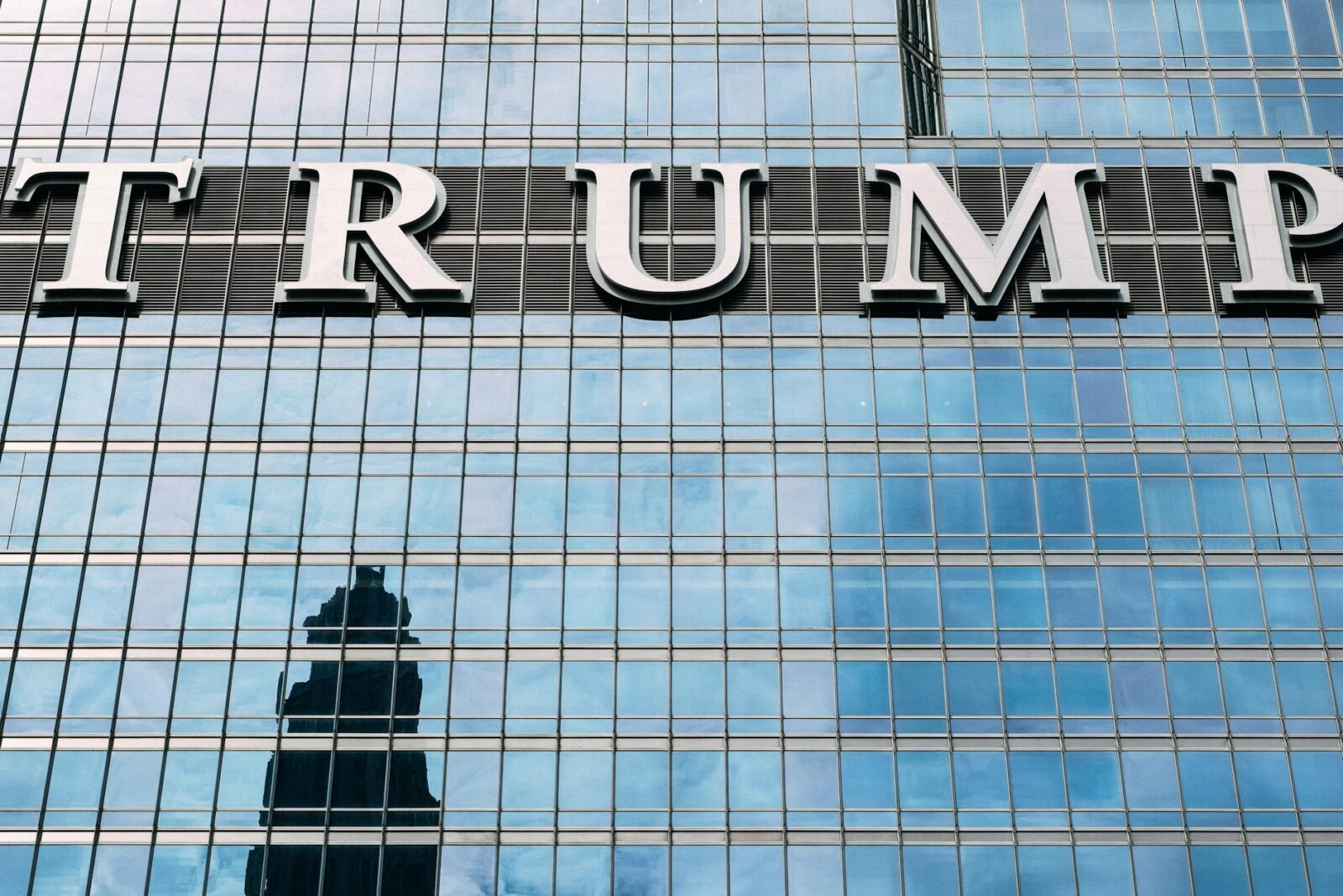
In a notable development within the U.S. technology landscape, the White House AI adviser has announced plans to depart from their position, coinciding with former President Donald Trump’s contemplation of investments in artificial intelligence firms. This transition raises critical questions about the future direction of U.S. AI policy and its implications for global technology competition.
The adviser, whose tenure has been marked by efforts to shape AI regulation and promote innovation, is stepping down at a pivotal moment when Trump is reportedly evaluating stakes in various AI companies. This move signals a potential shift in the administration’s approach to AI, which has profound implications for both domestic and international markets. Trump’s involvement in AI investments could signal a broader commitment to integrating advanced technologies into the U.S. economic framework, potentially enhancing competitiveness against global rivals such as China.
The significance of this situation cannot be overstated. As AI continues to revolutionize industries ranging from healthcare to finance, the policies and investments made by the U.S. government will not only influence domestic technological advancement but also dictate the terms of global competition. Investors and industry leaders are watching closely, as changes in U.S. AI strategy could lead to shifts in market dynamics and investment flows worldwide.
Looking ahead, the departure of the AI adviser could lead to a re-evaluation of AI regulatory frameworks and innovation strategies within the White House. If Trump proceeds with significant investments in AI, it may catalyze a new wave of technological development in the U.S., but it also raises concerns about the ethical implications and governance of AI technologies. The global community must remain vigilant, as the outcomes of these decisions could have lasting impacts on the international order in technology and innovation.
Source: Nikkei Asia








Russia’s Potential Withdrawal from Kinburn Spit Signals Shifts in Ukraine Conflict
Russia's possible retreat from Kinburn Spit could reshape military dynamics and diplomatic...
 1 Mins read
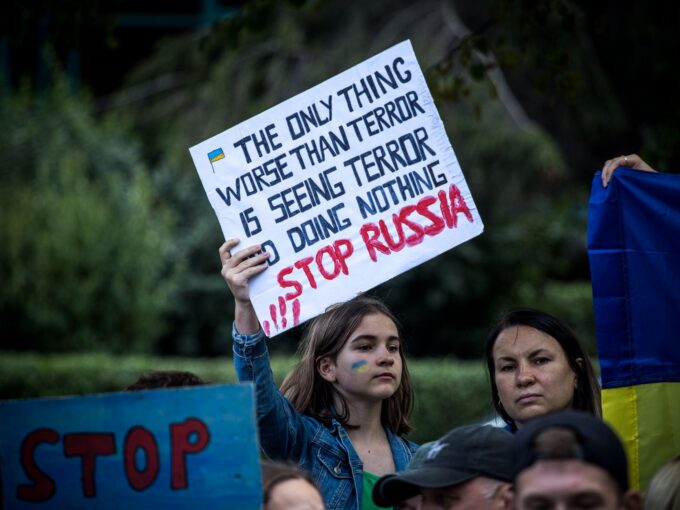
Russia’s War Against Ukraine Reaches 1,568 Days, Echoing World War I’s Duration
The protracted conflict between Russia and Ukraine now matches the length of...
1 Mins read

Ukraine Successfully Repatriates More POWs from Russian Captivity Than Remain
This significant POW exchange demonstrates Ukraine's ongoing commitment to its military personnel...
1 Mins read



White House Grapples with Fallout from Epstein Revelations
The international community watches closely as the White House confronts implications of...
1 Mins read
Leave a comment