
Trump Faces Significant Backlash from MAGA Supporters Over Iran Policy
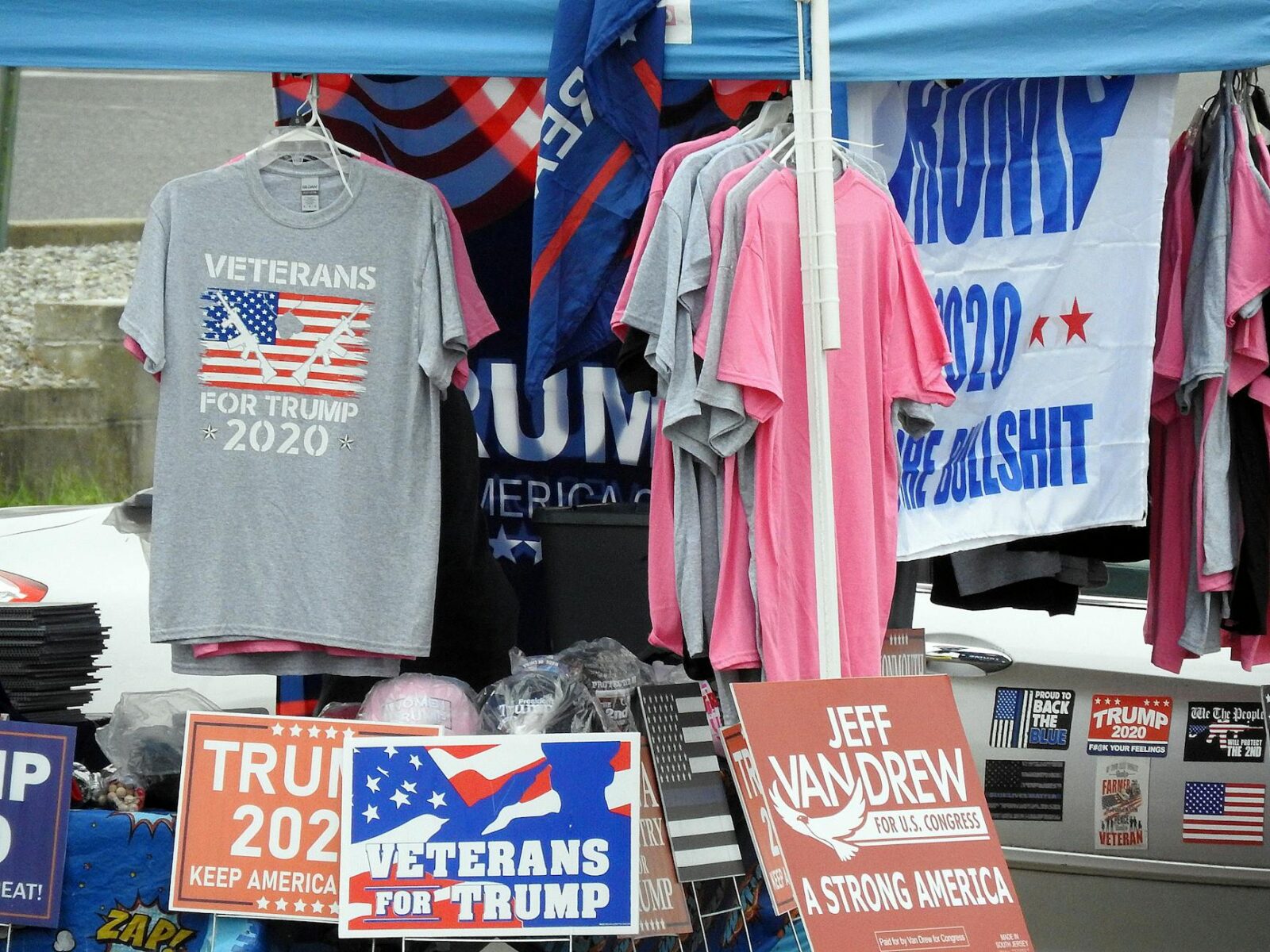
Former President Donald Trump is currently facing a notable backlash from his staunch supporters within the MAGA movement regarding his recent comments and policy directions concerning Iran. This discontent stems from Trump’s characterization of Iran as a significant threat, which some of his followers perceive as a departure from his earlier, more isolationist stance. The MAGA base, known for its strong anti-interventionist sentiments, is increasingly vocal in its dissent, labeling Trump’s remarks as ‘disgusting and evil.’ This reaction is emblematic of the internal fractures within the Republican Party as it grapples with the legacy of Trump’s presidency.
Key figures in the MAGA movement have expressed their frustration through various social media platforms, emphasizing that Trump’s current approach may align more closely with traditional neoconservative policies, which many of his supporters vehemently oppose. The tension is palpable, as influential voices within the movement argue that engaging in further conflict in the Middle East contradicts the foundational principles of the America First agenda that Trump championed during his time in office.
This backlash is significant not only for Trump’s political trajectory but also for the broader implications it holds for U.S. foreign policy. As the 2026 midterm elections approach, this discord could impact Trump’s influence within the party and the Republican candidates’ strategies moving forward. If Trump fails to reconcile these differences, he risks alienating a crucial voter base that could sway election outcomes in key battleground states.
Looking ahead, the fallout from this discontent may lead to a re-evaluation of U.S. strategies in the Middle East, particularly as it relates to Iran. Should Trump choose to double down on his current stance, he may further galvanize opposition within his own ranks, potentially reshaping the Republican Party’s platform on foreign policy in the years to come. The global community watches closely, as shifts in U.S. policy towards Iran can have far-reaching consequences for international relations and stability in the region.
Source: AOL.com








Russia’s Potential Withdrawal from Kinburn Spit Signals Shifts in Ukraine Conflict
Russia's possible retreat from Kinburn Spit could reshape military dynamics and diplomatic...
 1 Mins read
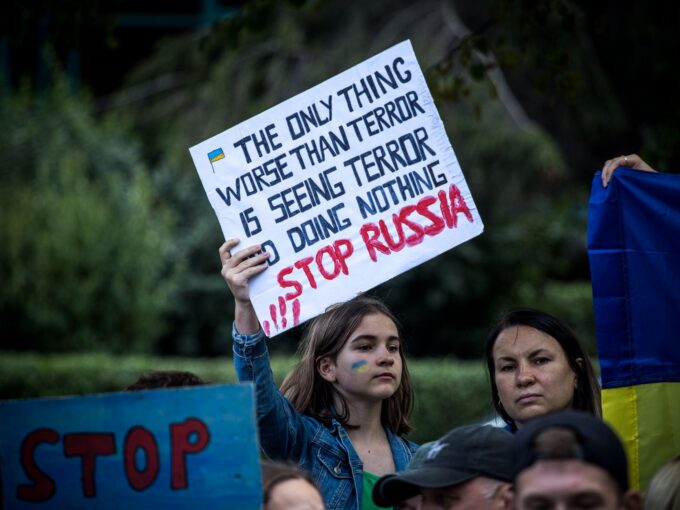
Russia’s War Against Ukraine Reaches 1,568 Days, Echoing World War I’s Duration
The protracted conflict between Russia and Ukraine now matches the length of...
1 Mins read
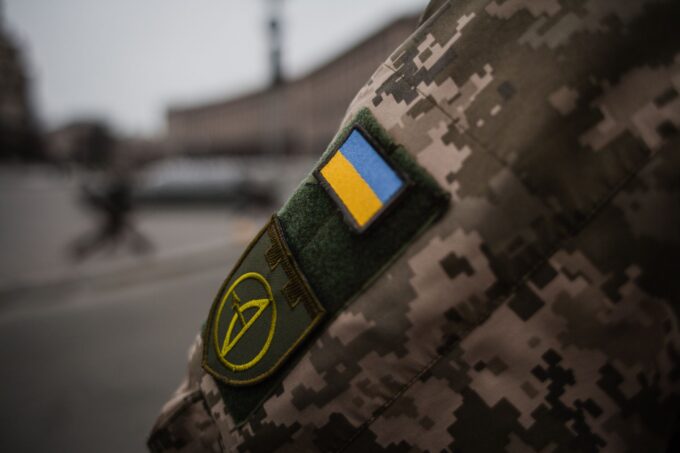
Ukraine Successfully Repatriates More POWs from Russian Captivity Than Remain
This significant POW exchange demonstrates Ukraine's ongoing commitment to its military personnel...
1 Mins read



White House Grapples with Fallout from Epstein Revelations
The international community watches closely as the White House confronts implications of...
1 Mins read
Leave a comment