
The Legacy Preserved: Mauritshuis and Its Rembrandts

A Testament to Artistic Heritage
In a significant ruling that reverberates throughout the art world, the Mauritshuis museum in The Hague has secured its prestigious collection of Rembrandt paintings, a decision that safeguards not only the institution’s reputation but also the legacy of one of the greatest artists in history. This case highlights the intricate relationship between art, law, and the narratives that define ownership and legacy.
Preservation Over Reclamation
The recent court ruling determined that the Dutch museum is not obligated to return a bequest of 25 paintings, which had been left to it by a prominent donor, to the heirs who claimed ownership. This decision affirms the importance of provenance in the art world, ensuring that the historical context and intent behind the bequest are honored. The ruling not only reinforces the museum’s right to its collection but also emphasizes the legal frameworks that protect cultural heritage.
The Weight of Provenance
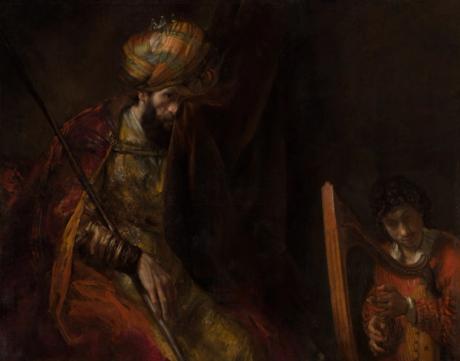
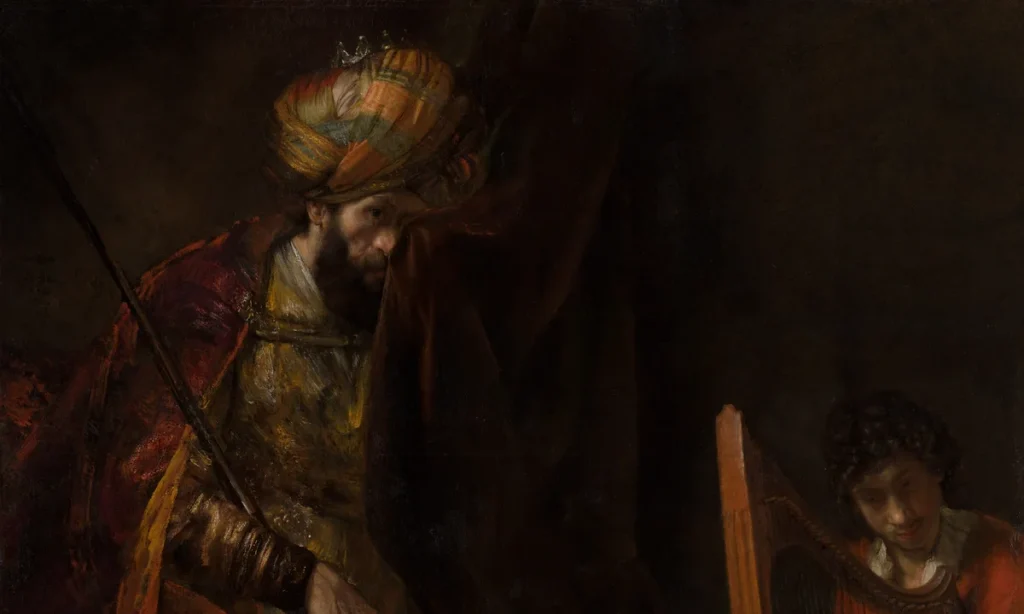
Provenance, the history of ownership of a piece of art, plays a crucial role in determining both its market value and its significance within the cultural narrative. In this case, the paintings in question were part of a bequest that has become intertwined with the identity of the Mauritshuis. Each piece carries a story, a connection to the past, and a testament to the artistic genius of Rembrandt. The museum’s ability to retain these works means that they will continue to be a source of inspiration and education for future generations, reinforcing the cultural fabric of the Netherlands.
A Collector’s Psyche
For collectors and art enthusiasts alike, the implications of this ruling extend beyond the courtroom. It invites reflection on the motivations behind collecting art and the complex emotions that accompany ownership. The desire to preserve cultural legacies often drives collectors to seek out pieces with storied histories, yet the legalities surrounding such acquisitions can lead to contentious disputes. The Mauritshuis case serves as a reminder of the delicate balance between personal ownership and communal heritage.
Market Significance and Cultural Impact
As the art market continues to evolve, the Mauritshuis’s victory underscores the significance of institutions in safeguarding artistic legacies. Museums are not merely repositories of art; they are custodians of culture. This ruling may influence future bequests and donations, as potential donors assess the stability and integrity of institutions before entrusting them with their collections. For Miami’s burgeoning art scene, which thrives on a blend of local talent and international masterpieces, the lessons from this case resonate deeply.
Looking Forward: The Future of Art and Law
The intersection of art and law is a dynamic landscape, marked by ongoing debates about ownership, heritage, and cultural responsibility. The Mauritshuis’s recent triumph serves as a pivotal moment, reaffirming the principle that art is not just a commodity but a vital component of human expression and history. As Miami continues to embrace its role as a cultural hub, the implications of such legal rulings will undoubtedly shape the future of art collections and exhibitions in the city and beyond.
Editorial note: This article was created by A Bit Lavish Miami’s Magazine as an original editorial reinterpretation based on publicly available reporting. Original source: theartnewspaper.com. Read the original article here: https://www.theartnewspaper.com/2026/06/16/mauritshuis-able-to-keep-its-rembrandts-following-legal-dispute.
Images are used for editorial reference with source credit. If an image requires correction or removal, please contact A Bit Lavish.









Unveiling the Shadows: The Disappearance of Indigenous Art in Canada
Exploring the mystery behind 111 unaccounted works from Canada's Indigenous Art Centre...
 2 Mins read

A New Cultural Landmark: The Rise of a National Latino Museum
Exploring the potential establishment of a National Latino Museum within the historic...
2 Mins read

Threads of Tradition: The Artisans Behind Handmade Futures
Explore the intricate world of traditional crafts and the challenges faced by...
2 Mins read



Preserving Legacy: The Resurrection of Selma’s Edistone Hotel
Discover how the Edistone Hotel in Selma, a crucial landmark in African...
 ABL2 Mins read
