
Russia’s T-14 Armata Tank Remains in Limbo Amidst Defense Uncertainty
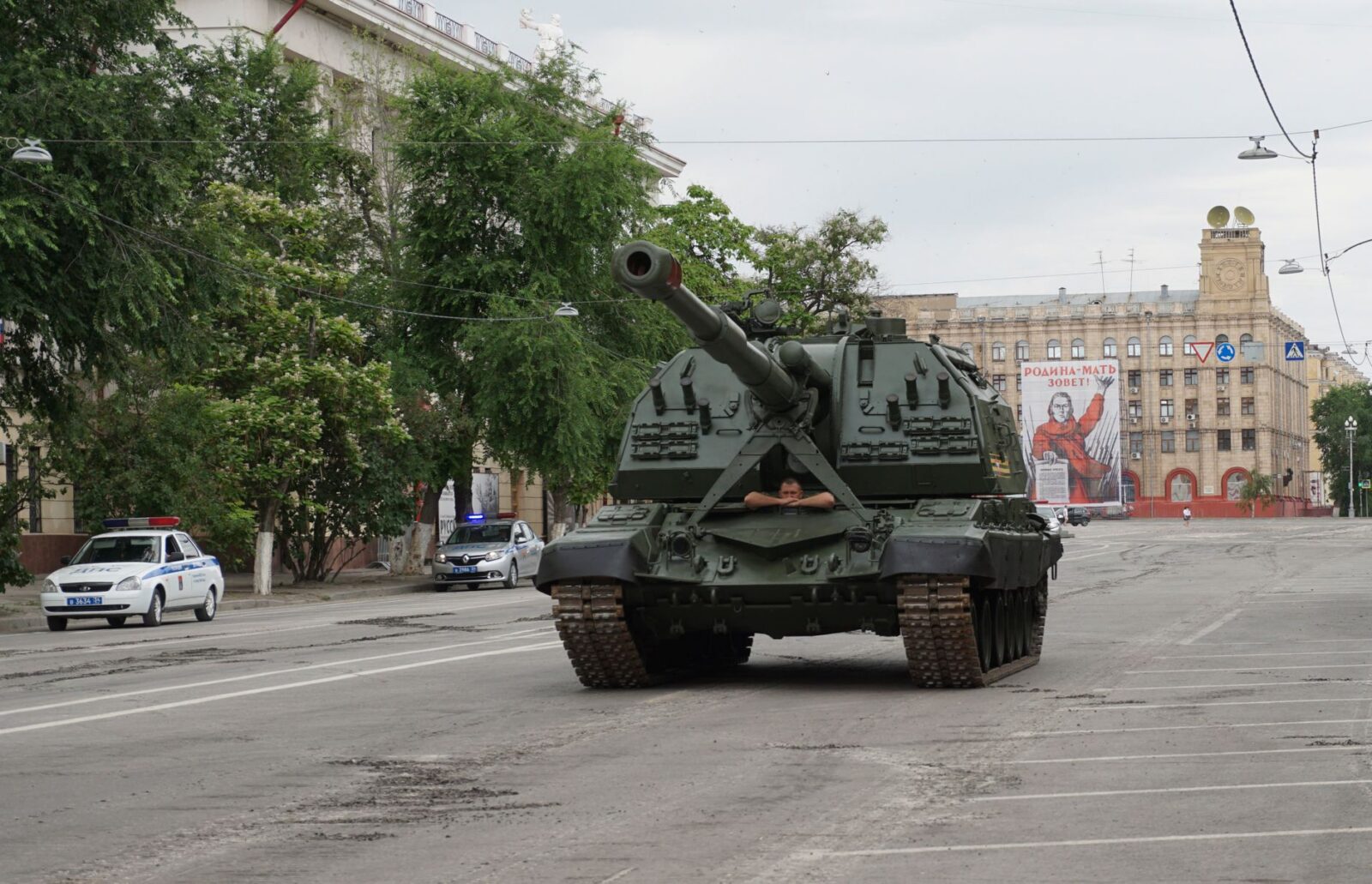
In a recent development within the Russian defense sector, the T-14 Armata tank program has not been officially cancelled, yet it remains conspicuously absent from public discourse and military parades. Originally unveiled in 2015, the T-14 was heralded as a groundbreaking advancement in armored warfare, featuring advanced automation, an unmanned turret, and superior armor technology. However, reports indicate that production challenges and budget constraints have severely hindered its rollout, leading to growing concerns about the Kremlin’s military modernization efforts.
The Russian Ministry of Defense has not provided a concrete timeline for the mass production of the T-14, which was intended to replace the aging T-72 and T-80 tanks that have been the backbone of the Russian ground forces. This uncertainty is compounded by geopolitical tensions, particularly in Eastern Europe, where NATO’s eastern flank has been fortified in response to Russian aggression. As Russia continues to face international sanctions and economic challenges, the viability of such ambitious military projects comes into question.
This situation holds significant implications for global military dynamics. The T-14’s absence from the battlefield could diminish Russia’s deterrence capabilities and influence in conflicts, particularly in Ukraine, where armored units play a crucial role. Furthermore, the stagnation of the T-14 program raises alarms among NATO allies, who may perceive an opportunity to enhance their own military readiness in response to a potentially weakened Russian ground force.
Looking ahead, analysts suggest that if Russia fails to resolve the production issues surrounding the T-14, it may be forced to rely on older models or seek alternative military partnerships to bolster its capabilities. Such a shift could alter the balance of power in the region, prompting neighboring countries to reassess their defense strategies. Therefore, the fate of the T-14 Armata is not just a matter of Russian military policy but a critical factor in the broader context of international security.
Source: National Security Journal








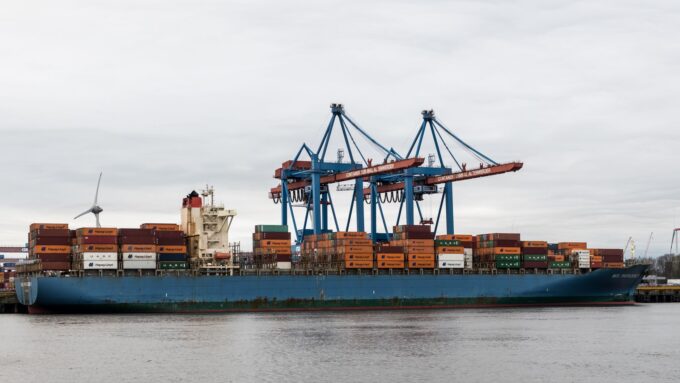
Belgium’s Russian Gas Imports Surge Amid Ongoing Energy Crisis
Belgium's increased Russian gas imports raise significant geopolitical concerns as Europe navigates...
 1 Mins read

Trump’s Bathroom Preferences Raise Concerns Over White House Hygiene Standards
Trump's bathroom habits could pose significant hygiene risks, impacting the integrity of...
1 Mins read
US-Iran Tensions Escalate as Ceasefire Holds Amid Airspace Closures
Global leaders watch closely as US-Iran tensions rise, impacting international security and...
1 Mins read


Trump convenes at Camp David amid escalating Iran deal opposition
Global leaders must scrutinize the implications of Trump's Camp David meetings as...
1 Mins read
Leave a comment