
Belgium’s Russian Gas Imports Surge Amid Ongoing Energy Crisis
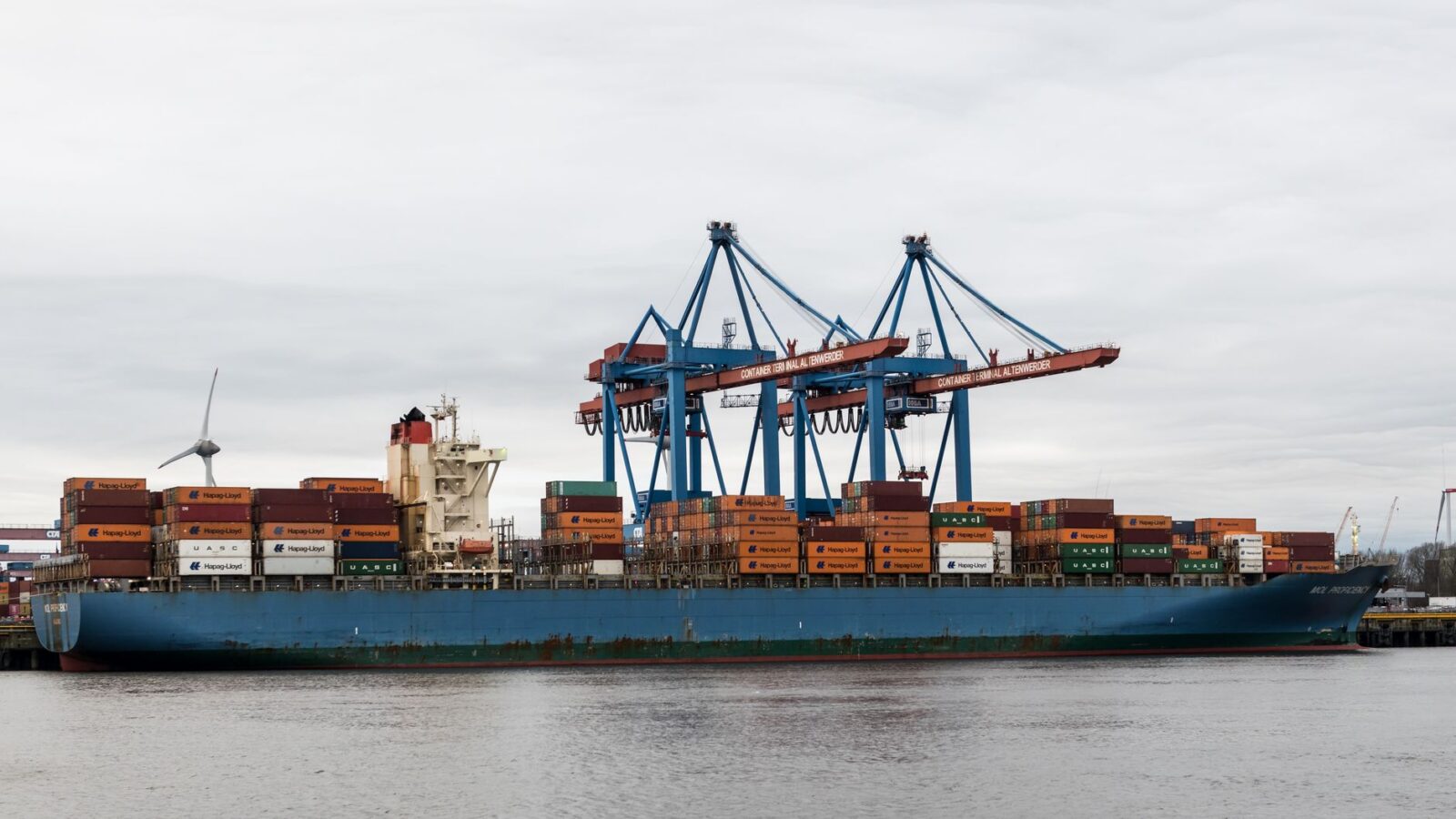
In a striking development, Belgium has reportedly increased its imports of Russian natural gas, surpassing levels seen prior to the Ukraine conflict. This trend, highlighted in a recent report, reveals that Belgium’s gas imports from Russia have risen by 15% in the past month alone, raising alarms within the European Union regarding the bloc’s energy security and its commitment to reducing dependency on Russian hydrocarbons.
The report indicates that Belgium now sources approximately 25% of its natural gas from Russia, a stark contrast to the pre-war figures of 20%. This shift is facilitated by the country’s reliance on the Zeebrugge LNG terminal, which has been receiving substantial shipments from Russia, despite ongoing sanctions and a broader EU mandate to diminish ties with Russian energy supplies.
This development is particularly concerning given the broader context of the Ukraine war, where European nations have been striving to wean themselves off Russian energy to support Ukraine and reduce Moscow’s influence. Belgium’s actions could undermine collective European efforts, as the EU has aimed for a significant reduction of Russian gas imports by 2027. The implications of this situation are profound, as it not only raises questions about Belgium’s commitment to EU sanctions but also highlights the complexities of energy transitions in a volatile geopolitical landscape.
Looking ahead, Belgium’s increasing reliance on Russian gas may provoke further scrutiny from EU officials and member states, potentially leading to calls for stricter compliance with sanctions. Additionally, this could prompt a reevaluation of energy strategies across Europe, as nations grapple with balancing energy needs and geopolitical responsibilities. The situation remains fluid, and Belgium’s next steps will be closely monitored by both domestic and international observers.
Source: Anadolu Ajansı








Trump’s Bathroom Preferences Raise Concerns Over White House Hygiene Standards
Trump's bathroom habits could pose significant hygiene risks, impacting the integrity of...
 1 Mins read

US-Iran Tensions Escalate as Ceasefire Holds Amid Airspace Closures
Global leaders watch closely as US-Iran tensions rise, impacting international security and...
1 Mins read

Trump convenes at Camp David amid escalating Iran deal opposition
Global leaders must scrutinize the implications of Trump's Camp David meetings as...
1 Mins read



Trump Faces Pressure to Resign Amidst Escalating Political Crisis
The global community watches as Trump confronts a pivotal moment that could...
1 Mins read
Leave a comment