
Netanyahu Reaffirms Stance on Lebanon Amid U.S.-Iran Agreement

Israeli Prime Minister Benjamin Netanyahu has publicly reaffirmed his government’s commitment to maintaining its military presence in Lebanon, despite a recently signed memorandum of understanding (MOU) between the United States and Iran. This MOU, which aims to facilitate dialogue and reduce tensions in the Middle East, seems to have little impact on Israel’s strategic calculations, particularly regarding the volatile situation along its northern border.
The MOU, finalized on June 15, 2026, represents a significant diplomatic effort by the U.S. to engage Iran and potentially ease hostilities that have plagued the region for years. However, Netanyahu’s declaration underscores Israel’s longstanding concerns about Iranian influence in Lebanon, particularly through the militant group Hezbollah, which Israel views as a direct threat to its national security.
This development is critical as it highlights the complex interplay of regional and global politics. The U.S. has been striving to balance its relations with both Israel and Iran, yet Netanyahu’s unwavering stance reflects a broader Israeli strategy that prioritizes military readiness over diplomatic overtures. This situation could exacerbate tensions not only between Israel and Hezbollah but also among other regional actors who may perceive the U.S.-Iran agreement as a shift in the balance of power.
Looking ahead, the implications of Netanyahu’s refusal to withdraw from Lebanon could lead to increased military engagements in the region, further complicating the already fragile security landscape. It raises questions about the durability of U.S. diplomatic efforts in the Middle East and whether Israel will act unilaterally in response to perceived threats. As the situation unfolds, global leaders and investors must closely monitor these developments, as they have the potential to reshape geopolitical dynamics and impact international markets.
Source: 조선일보










Gaza Students Resort to Writing on Aid Boxes Amid Severe Paper Shortages
The ongoing paper shortages in Gaza highlight the humanitarian crisis affecting education...
 1 Mins read

China’s UN Envoy Urges Israel to Adhere to Gaza Ceasefire Amid Escalating Tensions
China's call for Israel to uphold the Gaza ceasefire highlights the urgent...
1 Mins read
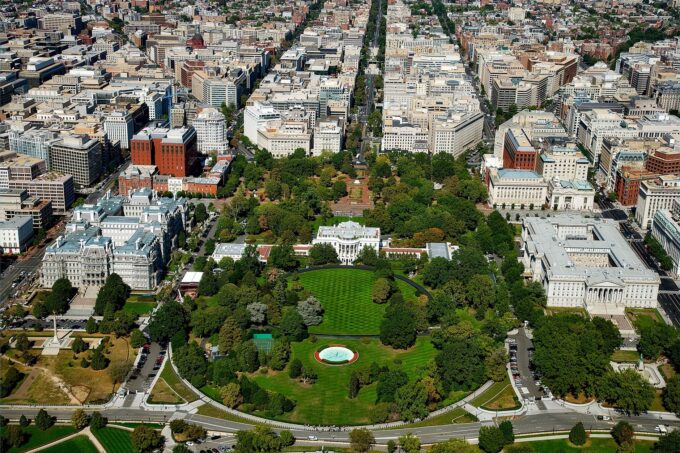
White House Highlights Delayed Obama Presidential Center to Elevate Trump’s Legacy as ‘Builder-in-Chief’
The delayed inauguration of the Obama Presidential Center underscores the contrasting legacies...
1 Mins read
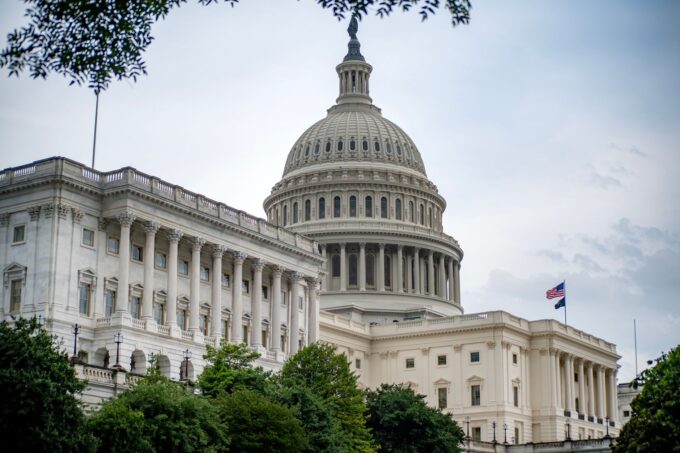


Trump’s Executive Power Ambitions Emerge in New Book
The global implications of Trump's increasing push for executive power resonate amid...
1 Mins read

Leave a comment