
NATO’s 5% GDP Military Expansion Drives South Korea’s K-Defense Marketing Initiative
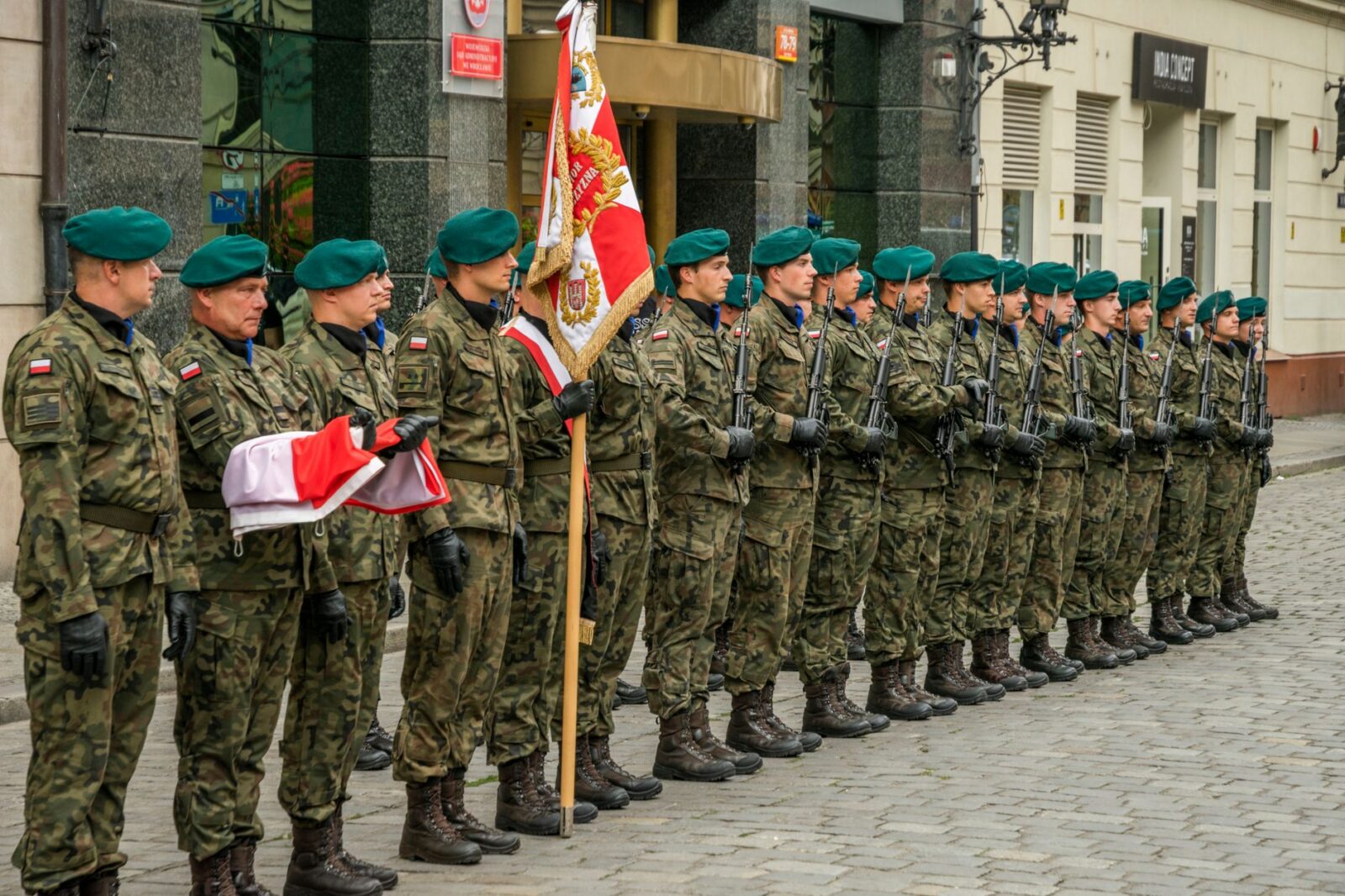
In a significant development on June 16, 2026, NATO’s announcement regarding a military expansion plan aiming for member states to allocate 5% of their GDP to defense expenditures has prompted a strategic response from South Korea’s defense sector. The South Korean government, in collaboration with leading defense contractors, has initiated a marketing campaign dubbed ‘One Team’ to bolster its defense exports and enhance international partnerships.
This campaign is particularly timely as global geopolitical tensions escalate, with nations reassessing their military readiness in response to perceived threats. South Korea, already recognized for its advanced defense technologies, seeks to position itself as a pivotal player in the international arms market. Major South Korean defense firms, including Hanwha Defense and Hyundai Rotem, are expected to leverage this initiative to showcase their capabilities in advanced weaponry and defense systems.
The global implications of NATO’s military expansion cannot be overstated. As member countries commit to increased defense spending, the ripple effects on global supply chains, defense procurement, and international relations will be profound. Countries in the Asia-Pacific region, particularly those facing security challenges from North Korea and China, may look to South Korea as a key ally and supplier, thus reshaping regional security dynamics.
Looking ahead, if the ‘One Team’ initiative successfully elevates South Korea’s profile in the defense sector, it could lead to increased military collaboration and joint exercises with NATO members and other allied nations. This could also spark a broader arms race in the Asia-Pacific, as neighboring countries respond to the changing security landscape. With NATO’s commitment to defense expansion and South Korea’s proactive marketing efforts, the global defense architecture is likely entering a new era of competition and cooperation.
Source: 아시아경제







Belgium’s Russian Gas Imports Surge Amid Ongoing Energy Crisis
Belgium's increased Russian gas imports raise significant geopolitical concerns as Europe navigates...
 1 Mins read
Trump’s Bathroom Preferences Raise Concerns Over White House Hygiene Standards
Trump's bathroom habits could pose significant hygiene risks, impacting the integrity of...
1 Mins read
US-Iran Tensions Escalate as Ceasefire Holds Amid Airspace Closures
Global leaders watch closely as US-Iran tensions rise, impacting international security and...
1 Mins read


Trump convenes at Camp David amid escalating Iran deal opposition
Global leaders must scrutinize the implications of Trump's Camp David meetings as...
1 Mins read
Leave a comment