
Navigating Barriers: The Story of Umoja Art Gallery at Africa Basel

Artistic Aspirations Amidst Adversity
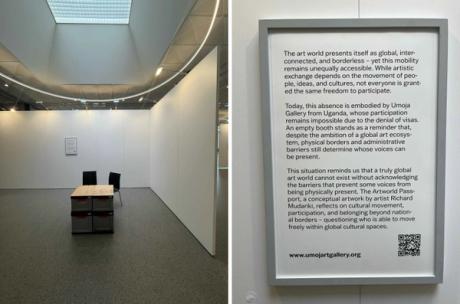
In the vibrant tapestry of the global art scene, the story of the Umoja Art Gallery from Uganda emerges as a poignant reminder of the obstacles that artists and curators face in their quest for recognition and representation. Recently, the gallery’s team encountered a significant setback when their visas were denied, preventing them from attending the highly anticipated Africa Basel fair. Despite this challenge, the gallery demonstrated resilience by ensuring that their artworks were still present at the event, highlighting the spirit of determination that permeates the art community.
Barriers in the Art World
The situation faced by Umoja Art Gallery is not an isolated incident; it reflects a larger narrative concerning accessibility and inclusivity within the art world. Many artists and galleries from Africa and other developing regions often confront logistical hurdles that can impede their ability to participate in prestigious fairs and exhibitions. The inability to travel not only limits their exposure but also curtails opportunities to engage with potential collectors, curators, and audiences, thus stifling the growth of their artistic legacies.
Global Platforms and Local Voices
Umoja’s participation in Africa Basel symbolizes more than just a chance to showcase their works; it embodies the gallery’s commitment to elevating the voices of Ugandan artists on a global stage. By sending their pieces to the fair, they sought to affirm the importance of African art in the contemporary market, signaling to collectors that the narratives and aesthetics emerging from the continent deserve recognition and investment.
Art as a Bridge
Art fairs like Africa Basel serve as critical junctions where cultural exchange occurs, fostering dialogues that transcend geographical boundaries. The absence of Umoja’s representatives at the event underscores the necessity of addressing systemic barriers in the art world. As discussions around diversity and representation continue to gain momentum, it is imperative for institutions and organizers to advocate for equitable access, ensuring that artists from diverse backgrounds can share their stories and visions.
Impact on Collectors and the Market
The challenges faced by galleries like Umoja can have significant implications for collectors. Access to a diverse range of artwork enriches the collector’s experience and enhances the overall art market. When barriers prevent certain artists or galleries from participating in global events, collectors miss out on unique perspectives and innovative works that could elevate their collections. Thus, fostering an inclusive art environment is not merely an ethical concern but also a strategic imperative for the thriving art market.
Legacy and Future Prospects
Umoja Art Gallery’s experience at Africa Basel stands as a testament to the resilience of artists and curators who strive to carve their niche in the global art landscape. The gallery’s commitment to their mission—despite the hurdles—is a powerful narrative that resonates with collectors and art enthusiasts alike. As they continue to navigate these challenges, they pave the way for future generations of artists who will undoubtedly face their own trials but can draw inspiration from the tenacity of those who came before.
Editorial note: This article was created by A Bit Lavish Miami’s Magazine as an original editorial reinterpretation based on publicly available reporting. Original source: theartnewspaper.com. Read the original article here: https://www.theartnewspaper.com/2026/06/17/ugandas-umoja-gallery-team-forced-to-cancel-attendance-at-africa-basel-fair-after-visas-denied.
Images are used for editorial reference with source credit. If an image requires correction or removal, please contact A Bit Lavish.









Rediscovering the Soul of Amsterdam Through the Lens of Ed van der Elsken
Explore the captivating world of Ed van der Elsken, the Dutch street...
 2 Mins read
A Toast to Transformation: The Rise of La Coopérative-Musée Cérès Franco
Explore the journey of La Coopérative-Musée Cérès Franco, a former winery turned...
2 Mins read

Art Basel Whispers: A Journey Through Creativity and Culture
Explore the cultural significance of notable artworks and experiences at Art Basel,...
3 Mins read



Transforming Spaces: The Emergence of Basel Social Club in Miami’s Art Scene
Explore how Basel Social Club is revolutionizing the art fair experience in...
2 Mins read

Leave a comment