
Florida Man Charged with Threatening President Trump Amid Rising Political Tensions
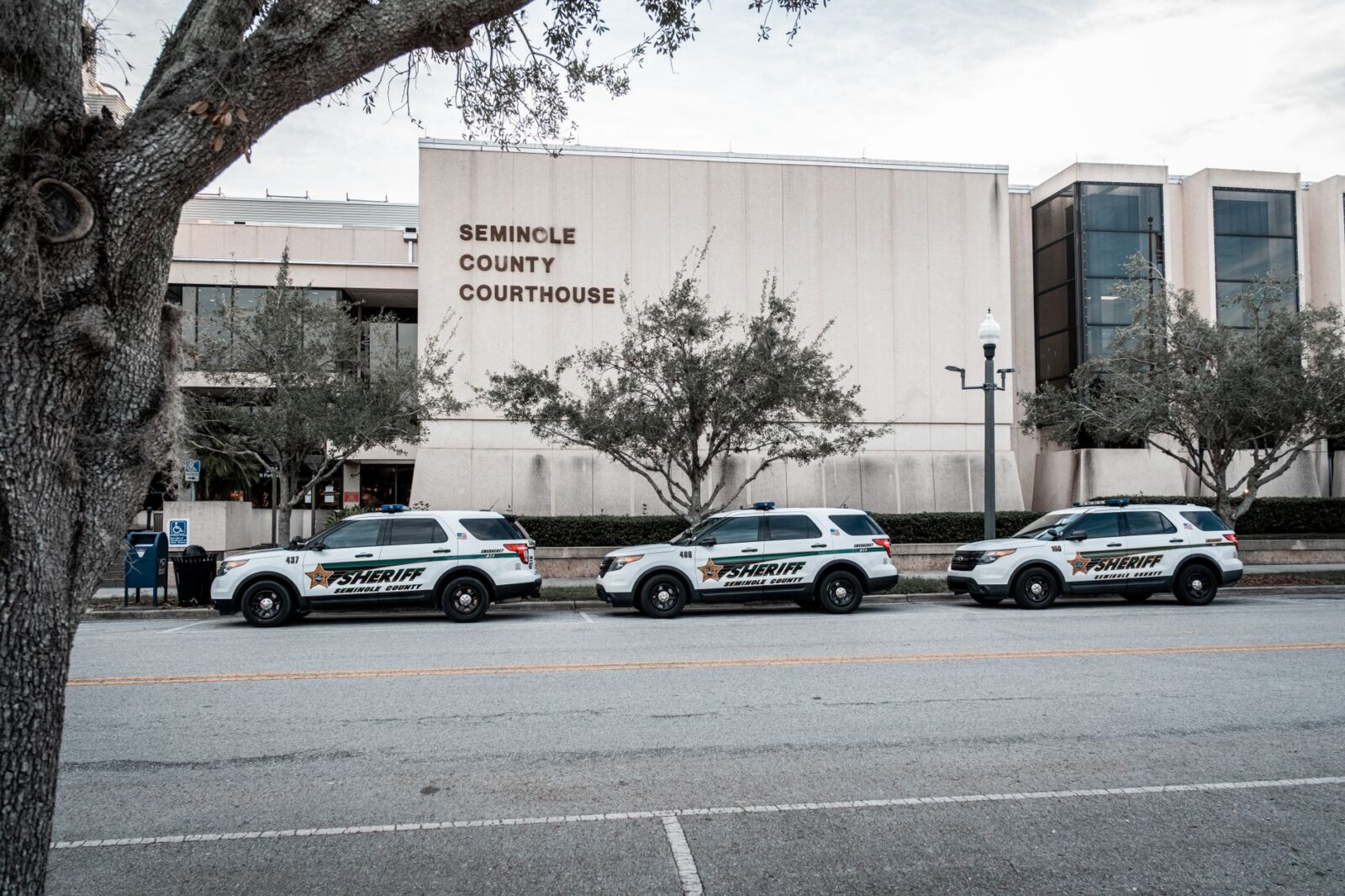
A Florida man has been charged with making threats to kill former President Donald Trump, allegedly stating he would do so in “cold blood.” This incident, reported on June 17, 2026, highlights the increasingly volatile political climate in the United States, where rhetoric has often crossed into dangerous territory.
The suspect, whose identity has not been disclosed, reportedly expressed his intentions in a public forum, prompting immediate investigation by federal authorities. The FBI’s involvement underscores the seriousness of the threat, as they have been actively monitoring individuals who express violent intentions against political figures. This case is not isolated; it reflects a broader trend of rising threats against political leaders, raising concerns about the safety of public figures in a deeply polarized political environment.
This situation is significant not only for the immediate implications for Trump and his security but also for the broader political landscape in the United States and beyond. As the 2026 midterm elections approach, the potential for political violence could deter candidates from engaging openly with the electorate and stifle political discourse. Moreover, it raises questions about how law enforcement and security agencies are equipped to handle such threats amid growing concerns about domestic extremism.
Looking ahead, this incident may lead to heightened security measures for not only Trump but also other political figures as the nation grapples with the ramifications of such threats. It could also spur discussions among lawmakers about the need for stricter penalties for threats against public officials. The international community watches closely, as the stability of U.S. politics has implications for global governance and security. As the threat landscape evolves, so too must the strategies employed by both law enforcement and political leaders.
Source: WPEC









Belgium’s Russian Gas Imports Surge Amid Ongoing Energy Crisis
Belgium's increased Russian gas imports raise significant geopolitical concerns as Europe navigates...
 1 Mins read
Trump’s Bathroom Preferences Raise Concerns Over White House Hygiene Standards
Trump's bathroom habits could pose significant hygiene risks, impacting the integrity of...
1 Mins read

US-Iran Tensions Escalate as Ceasefire Holds Amid Airspace Closures
Global leaders watch closely as US-Iran tensions rise, impacting international security and...
1 Mins read


Trump convenes at Camp David amid escalating Iran deal opposition
Global leaders must scrutinize the implications of Trump's Camp David meetings as...
1 Mins read
Leave a comment