
Russia Claims Control Over Another Village in Donetsk Region Amid Ongoing Conflict
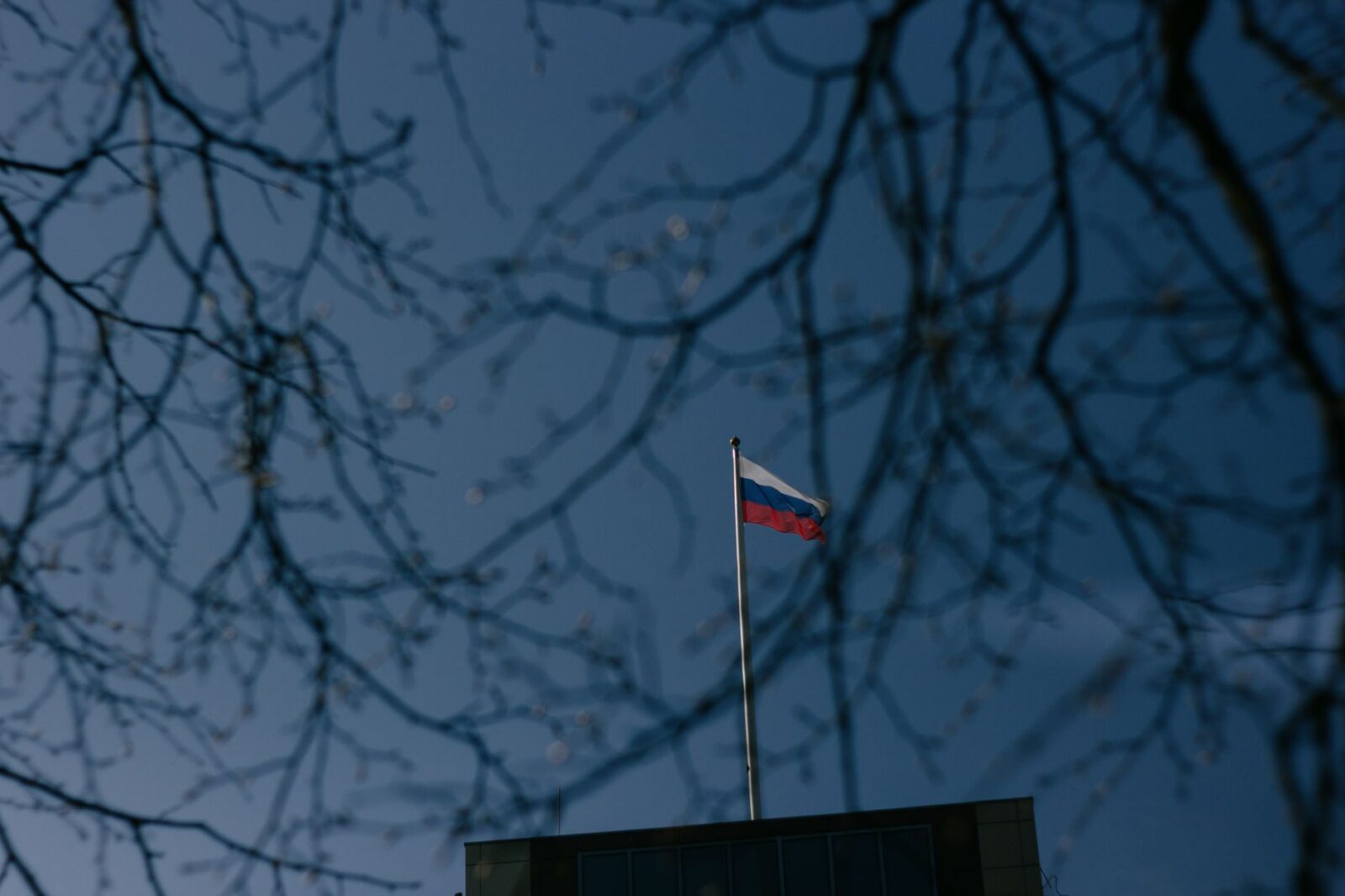
On June 17, 2026, Russian military officials announced the capture of another village in Ukraine’s Donetsk region, further intensifying the ongoing conflict between Russia and Ukraine. This development comes amid a broader backdrop of sustained military engagement, with significant implications for regional stability and international relations.
The village, whose name has not been disclosed by Russian sources, is the latest addition to a series of territorial claims made by Moscow since the onset of hostilities in Ukraine. The Russian government, under President Vladimir Putin, has consistently sought to expand its influence in Eastern Europe, and this recent advancement is perceived as a strategic move to solidify its hold in the contested Donetsk region, which has been a focal point of conflict since 2014.
This escalation matters on a global scale as it challenges the existing security architecture in Europe. The ongoing conflict has already led to a humanitarian crisis, with millions displaced and significant civilian casualties. Furthermore, it raises critical questions regarding the effectiveness of international responses, including sanctions imposed by Western nations and diplomatic efforts aimed at conflict resolution. As Russia continues to assert its military dominance, the potential for increased sanctions or military support to Ukraine from NATO allies looms large.
Looking ahead, the situation in Donetsk could further destabilize the region, prompting a reevaluation of defense strategies by NATO and the European Union. If Russia maintains its aggressive posture, it may provoke a more robust response from Western nations, potentially leading to an escalation of military aid to Ukraine. The unfolding situation demands close attention from global leaders, as the ramifications of this conflict extend far beyond Ukraine’s borders, influencing global security dynamics and international relations.
Source: Anadolu Ajansı









Gaza Students Resort to Writing on Aid Boxes Amid Severe Paper Shortages
The ongoing paper shortages in Gaza highlight the humanitarian crisis affecting education...
 1 Mins read

China’s UN Envoy Urges Israel to Adhere to Gaza Ceasefire Amid Escalating Tensions
China's call for Israel to uphold the Gaza ceasefire highlights the urgent...
1 Mins read

White House Highlights Delayed Obama Presidential Center to Elevate Trump’s Legacy as ‘Builder-in-Chief’
The delayed inauguration of the Obama Presidential Center underscores the contrasting legacies...
1 Mins read


Trump’s Executive Power Ambitions Emerge in New Book
The global implications of Trump's increasing push for executive power resonate amid...
1 Mins read

Leave a comment