
Israeli Prime Minister Rejects Gaza Ceasefire Proposal, Negotiations Continue

On June 17, 2026, Israeli Prime Minister Naftali Bennett announced that the latest proposal for a ceasefire in Gaza does not meet Israel’s fundamental requirements. This statement comes amid a backdrop of heightened conflict in the region, following several weeks of violent exchanges between Israeli forces and Hamas operatives in Gaza. Bennett’s remarks signify a critical juncture in the ongoing hostilities, which have drawn international attention and concern.
The negotiations involve multiple stakeholders, including the Israeli government, Hamas leadership, and various mediators such as Egypt and the United Nations. Bennett emphasized that while negotiations will persist, the current proposal is far from satisfactory, indicating Israel’s stringent demands for security assurances and the cessation of hostilities. The Israeli military has been engaged in targeted operations, claiming to eliminate threats posed by Hamas, which has retaliated with rocket fire into Israeli territory.
This situation is not just a regional issue; it has global implications. The conflict in Gaza has historically affected international relations, drawing in various nations and influencing global oil markets, security policies, and humanitarian responses. The failure to reach a ceasefire could exacerbate the humanitarian crisis in Gaza, where civilian casualties and infrastructural damage have already reached alarming levels, prompting calls for international intervention.
Looking ahead, the continuation of hostilities could lead to a more entrenched conflict, with potential ramifications for peace efforts in the Middle East. If negotiations fail to yield a viable ceasefire, increased military action may ensue, further destabilizing the region. The international community’s response will be pivotal in shaping the future landscape of Israeli-Palestinian relations and could influence broader geopolitical dynamics, particularly in relation to U.S. foreign policy and its alliances in the Middle East.
Source: Newsonair









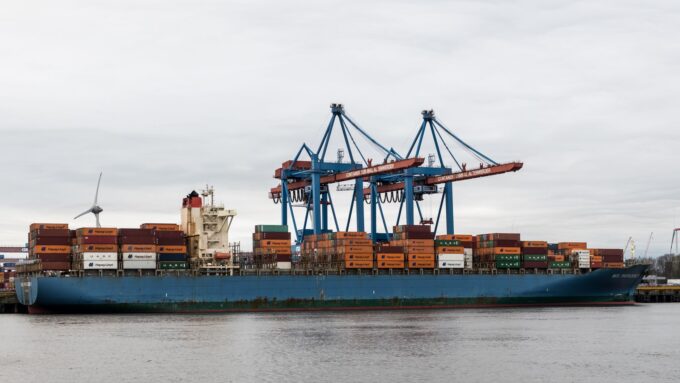
Belgium’s Russian Gas Imports Surge Amid Ongoing Energy Crisis
Belgium's increased Russian gas imports raise significant geopolitical concerns as Europe navigates...
 1 Mins read

Trump’s Bathroom Preferences Raise Concerns Over White House Hygiene Standards
Trump's bathroom habits could pose significant hygiene risks, impacting the integrity of...
1 Mins read

US-Iran Tensions Escalate as Ceasefire Holds Amid Airspace Closures
Global leaders watch closely as US-Iran tensions rise, impacting international security and...
1 Mins read



Trump convenes at Camp David amid escalating Iran deal opposition
Global leaders must scrutinize the implications of Trump's Camp David meetings as...
1 Mins read

Leave a comment