
Israel’s Gaza Offensive Claims Over 1,000 Palestinian Lives Since October 2025
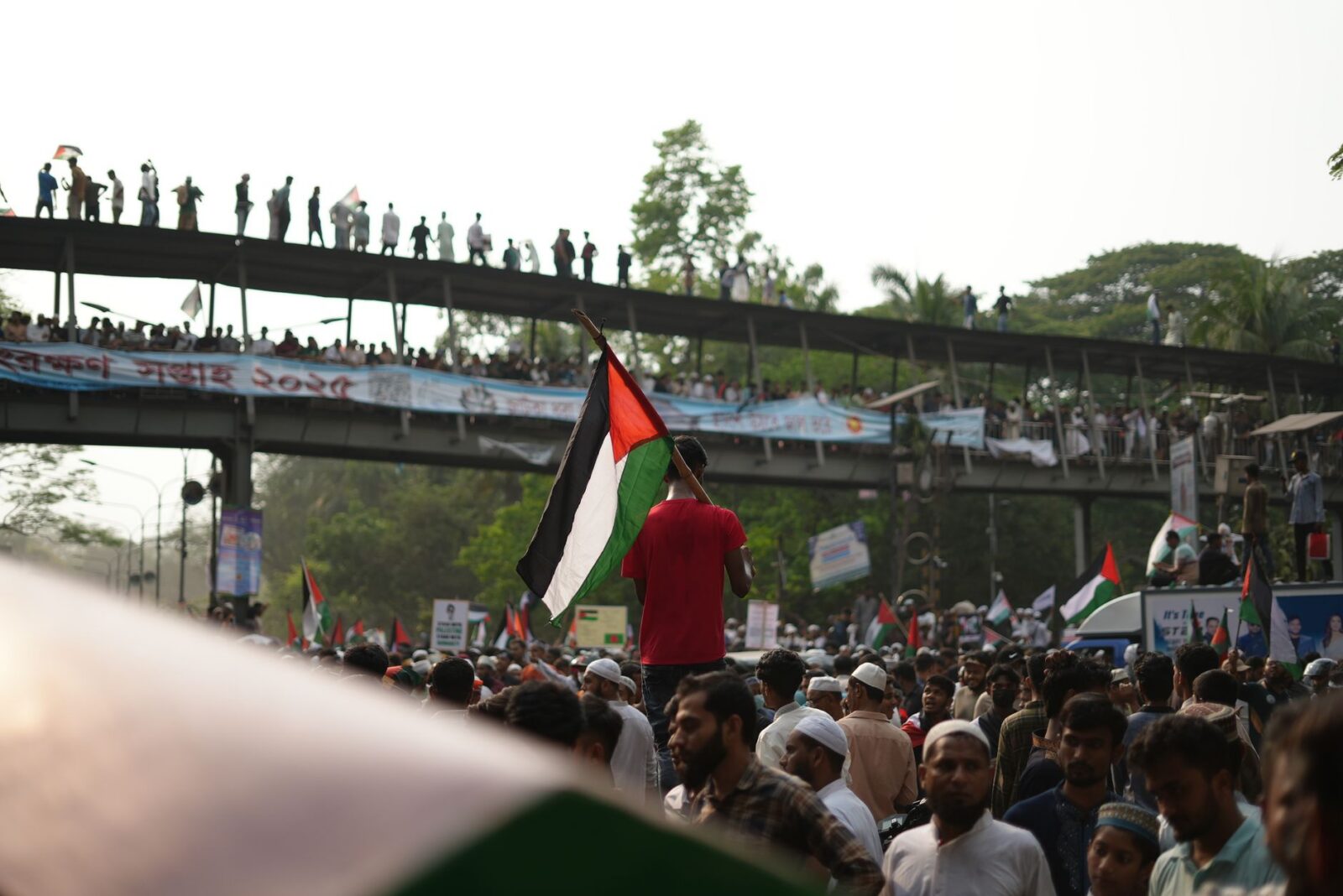
As of June 17, 2026, the Israeli military’s operations in Gaza have resulted in the deaths of over 1,000 Palestinians since October 2025. This staggering figure highlights the ongoing humanitarian crisis that continues to unfold in the region, raising alarm not only for the immediate impacts on those affected but also for the broader geopolitical implications.
The conflict has intensified amidst a backdrop of failed ceasefire negotiations and increasing tensions between Israel and Palestinian factions. The Israeli Defense Forces (IDF) have cited security concerns, particularly in relation to rocket fire from Gaza, as justification for their military actions. Conversely, Palestinian authorities and human rights organizations have decried the disproportionate use of force, emphasizing the devastating toll on civilian life.
This situation is critical on a global scale as it complicates international relations, particularly for nations involved in Middle Eastern diplomacy. The United States, European Union, and neighboring Arab states have all expressed varying degrees of concern, yet tangible actions to de-escalate the situation remain elusive. The loss of life and the humanitarian implications may exacerbate anti-Israel sentiments and fuel further instability in the region.
Looking ahead, the potential for escalation remains high. Continued military actions could provoke a broader regional conflict, inviting responses from neighboring countries and non-state actors. The international community faces a pressing imperative to engage in meaningful dialogue to restore peace and address the underlying issues that perpetuate this cycle of violence. Without decisive intervention, the situation in Gaza is poised to deteriorate further, with long-lasting repercussions for both Israelis and Palestinians.
Source: Zeteo










Belgium’s Russian Gas Imports Surge Amid Ongoing Energy Crisis
Belgium's increased Russian gas imports raise significant geopolitical concerns as Europe navigates...
 1 Mins read

Trump’s Bathroom Preferences Raise Concerns Over White House Hygiene Standards
Trump's bathroom habits could pose significant hygiene risks, impacting the integrity of...
1 Mins read

US-Iran Tensions Escalate as Ceasefire Holds Amid Airspace Closures
Global leaders watch closely as US-Iran tensions rise, impacting international security and...
1 Mins read



Trump convenes at Camp David amid escalating Iran deal opposition
Global leaders must scrutinize the implications of Trump's Camp David meetings as...
1 Mins read

Leave a comment