
Reimagining Engagement: The Van Abbemuseum’s Innovative Approach to Accessibility
Transforming the Museum Experience
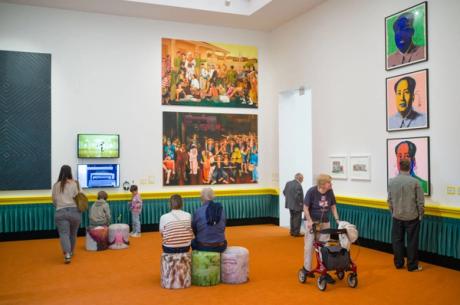
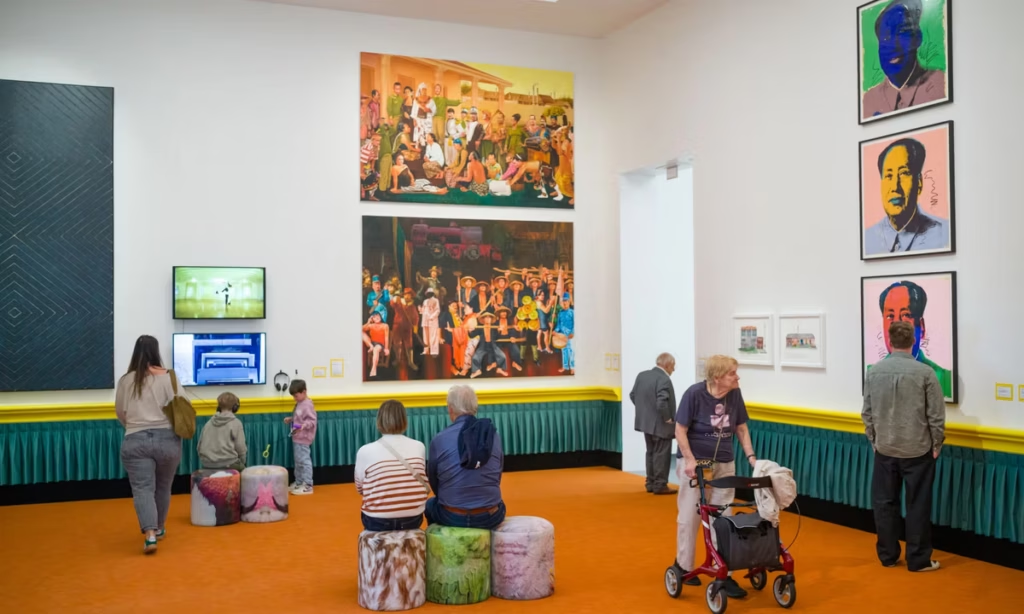
The Van Abbemuseum, a contemporary art gem located in Eindhoven, Netherlands, is embarking on an ambitious redesign aimed at making the museum experience more inclusive and engaging for all visitors. This initiative reflects a growing recognition within the art world of the importance of accessibility, not just in terms of physical space, but also in the ways audiences interact with art.
Tools for Engagement
Among the innovative features introduced are sensory tools designed to stimulate engagement and enhance the visitor experience. These include thoughtfully designed fidget toys, which serve as tactile engagement devices that can help to focus attention and reduce anxiety for visitors who may feel overwhelmed in a traditional museum setting.
Additionally, the museum is implementing a sensory map, a unique navigational tool that allows visitors to understand the sensory experiences that await them in different sections of the museum. This map not only guides visitors through the physical space but also prepares them for the emotional and sensory journey they will undertake as they explore the diverse art collections housed within the museum.
Creating an Inclusive Atmosphere
The Van Abbemuseum’s redesign is not merely about accessibility; it’s about fostering a deeper connection between art and its audience. By acknowledging and addressing the diverse needs of visitors, the museum creates an environment where everyone can appreciate art on their own terms. This approach invites a broader audience, including those who may have previously felt excluded from traditional museum experiences.
The Cultural Significance
In a global art market increasingly focused on inclusivity, the Van Abbemuseum’s initiatives resonate beyond its walls. They reflect an evolving understanding of the role museums play in society. As cultural institutions adapt to the needs of contemporary audiences, they also ensure the continued relevance and vibrancy of art itself. The museum’s efforts are a reminder that art is not just for the few; it is a universal language that can speak to all, provided the right conditions for engagement are established.
A Model for Future Museums
The pioneering strategies employed by the Van Abbemuseum set a compelling precedent for other institutions worldwide. As museums strive to remain relevant in a rapidly changing cultural landscape, the implementation of sensory tools and inclusive practices could become standard fare. This shift not only elevates the visitor experience but also enhances the cultural fabric of communities, inviting richer interaction with art and fostering a sense of belonging.
Implications for Collectors and Investors
For collectors and investors in the art world, the Van Abbemuseum’s focus on accessibility may also signal a broader trend that could influence market dynamics. As museums become more inclusive, they attract a more diverse audience, potentially increasing interest in exhibited works. This influx can enhance the provenance of artists featured in the museum, leading to greater recognition and, consequently, higher market valuations. Collectors should consider how these societal shifts might impact their investment strategies and the future significance of artists’ legacies.
Editorial note: This article was created by A Bit Lavish Miami’s Magazine as an original editorial reinterpretation based on publicly available reporting. Original source: theartnewspaper.com. Read the original article here: https://www.theartnewspaper.com/2026/06/18/redesign-of-dutch-van-abbemuseum-aims-to-make-museum-going-more-accessible.
Images are used for editorial reference with source credit. If an image requires correction or removal, please contact A Bit Lavish.







Controversy in the Hamptons: The Legal Battle Over a Monumental Sculpture
Explore the intriguing legal dispute surrounding a towering sculpture in East Hampton,...
 2 Mins read

Elvira Dyangani Ose: A New Vision for Cape Town’s Zeitz MoCAA
Elvira Dyangani Ose is set to bring her unique artistic vision to...
2 Mins read
Unveiling a Legacy: The Art of the Palio Drappellone
Discover the cultural significance and artistic mastery behind the hand-painted drappellone for...
2 Mins read


Unearthing Artistic Heritage: The Moche Civilization’s Legacy Through Ceramics
Discover the significance of the recent archaeological findings at Cerro Mayal, which...
 ABL2 Mins read
