
Peeling Paint Highlights Issues with Trump’s Renovated Washington Reflecting Pool
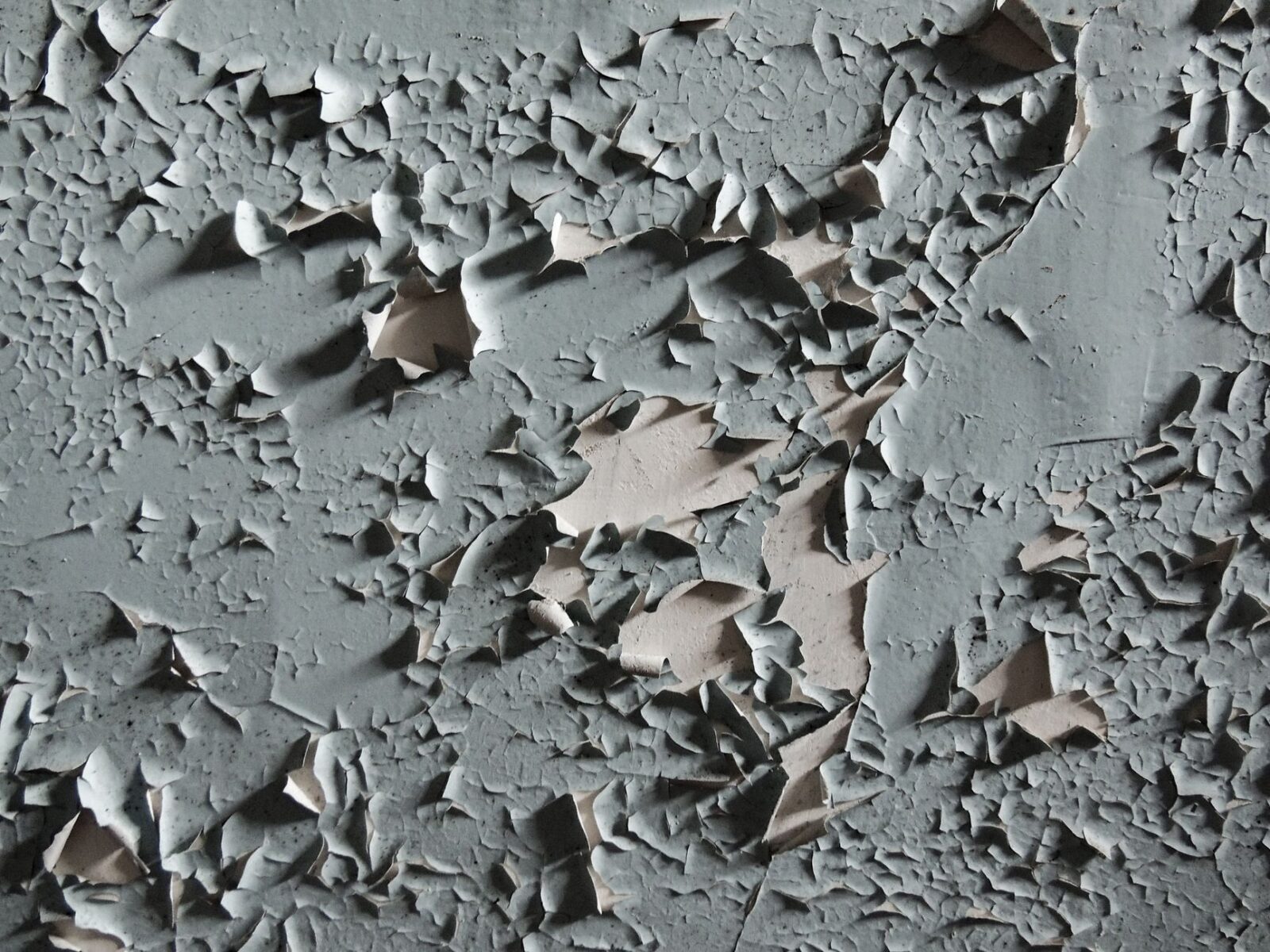
In a striking display of neglect, the recently renovated Washington Reflecting Pool is already showing signs of deterioration, with paint peeling off its surface just months after its official reopening. This high-profile project, overseen by the Trump administration, was intended to restore a key landmark that holds significant historical and cultural value, yet its current state raises questions about the quality of workmanship and oversight involved in government-funded projects.
The Reflecting Pool, situated between the Lincoln Memorial and the Washington Monument, serves not only as a centerpiece of the National Mall but also as a symbol of American resilience and democratic ideals. The renovation, completed in early 2026, was touted as a major achievement, costing taxpayers an estimated $15 million. However, the rapid onset of visible deterioration has drawn criticism from both political opponents and infrastructure experts, who argue that this situation reflects broader systemic issues in the management of public works.
This incident matters now because it highlights the urgent need for a reevaluation of how infrastructure projects are planned and executed in the United States. With the country facing an aging infrastructure crisis, the peeling paint on the Reflecting Pool serves as a metaphor for the potential consequences of insufficient investment and oversight in public works. As global leaders and investors increasingly prioritize sustainable development and infrastructure resilience, failures such as this could undermine confidence in U.S. governance and its ability to manage critical assets.
Looking ahead, this situation may prompt calls for increased accountability and transparency in government contracts, as well as a more rigorous standard for quality control in future projects. If not addressed, the issues surrounding the Reflecting Pool could serve as a cautionary tale, underscoring the risks of neglecting vital public infrastructure as the nation grapples with the implications of climate change, urban expansion, and economic pressures.
Source: Reuters








Gaza Students Resort to Writing on Aid Boxes Amid Severe Paper Shortages
The ongoing paper shortages in Gaza highlight the humanitarian crisis affecting education...
 1 Mins read

China’s UN Envoy Urges Israel to Adhere to Gaza Ceasefire Amid Escalating Tensions
China's call for Israel to uphold the Gaza ceasefire highlights the urgent...
1 Mins read
White House Highlights Delayed Obama Presidential Center to Elevate Trump’s Legacy as ‘Builder-in-Chief’
The delayed inauguration of the Obama Presidential Center underscores the contrasting legacies...
1 Mins read


Trump’s Executive Power Ambitions Emerge in New Book
The global implications of Trump's increasing push for executive power resonate amid...
1 Mins read

Leave a comment