
Trump and Senate Republicans Clash Over Legislative Strategy
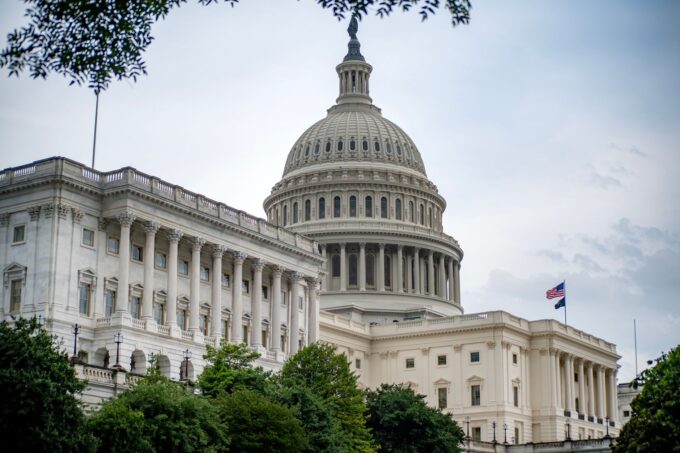
In a significant political development, former President Donald Trump has publicly expressed his dissatisfaction with Senate Republicans, a sentiment that appears to be reciprocated among GOP leaders. This discord centers around legislative strategies and priorities, particularly in the context of the upcoming midterm elections and key policy initiatives. Trump’s frustration stems from what he perceives as a lack of support for his agenda, which has historically emphasized tax cuts and deregulation.
The Senate Republican leadership, including Minority Leader Mitch McConnell, has been cautious in its approach to align with Trump’s strategies, especially given the shifting demographics and political sentiments across the United States. This tension could lead to a fracturing of the party’s base, potentially jeopardizing Republican chances in the upcoming elections. With Trump’s influence still substantial among the party’s core supporters, the stakes are high for both factions.
Globally, the significance of this rift cannot be understated. The United States remains a pivotal player in international politics and economics, and internal strife within its major political party could signal instability. Investors and world leaders are closely monitoring the situation, as a divided Republican Party may struggle to present a unified front on issues such as trade, foreign policy, and climate change. This could have repercussions for global markets, as uncertainty often leads to volatility.
Looking ahead, the conflict between Trump and Senate Republicans could lead to a series of primary challenges, with candidates either aligning with Trump’s populist approach or advocating for a more traditional conservative agenda. The outcome of these battles will shape the GOP’s identity and legislative priorities in the coming years, potentially redefining its role on the global stage as the U.S. navigates complex international relationships and domestic challenges.









Gaza Students Resort to Writing on Aid Boxes Amid Severe Paper Shortages
The ongoing paper shortages in Gaza highlight the humanitarian crisis affecting education...
 1 Mins read

China’s UN Envoy Urges Israel to Adhere to Gaza Ceasefire Amid Escalating Tensions
China's call for Israel to uphold the Gaza ceasefire highlights the urgent...
1 Mins read

White House Highlights Delayed Obama Presidential Center to Elevate Trump’s Legacy as ‘Builder-in-Chief’
The delayed inauguration of the Obama Presidential Center underscores the contrasting legacies...
1 Mins read


Trump’s Executive Power Ambitions Emerge in New Book
The global implications of Trump's increasing push for executive power resonate amid...
1 Mins read

Leave a comment