
Gaza Students Resort to Writing on Aid Boxes Amid Severe Paper Shortages
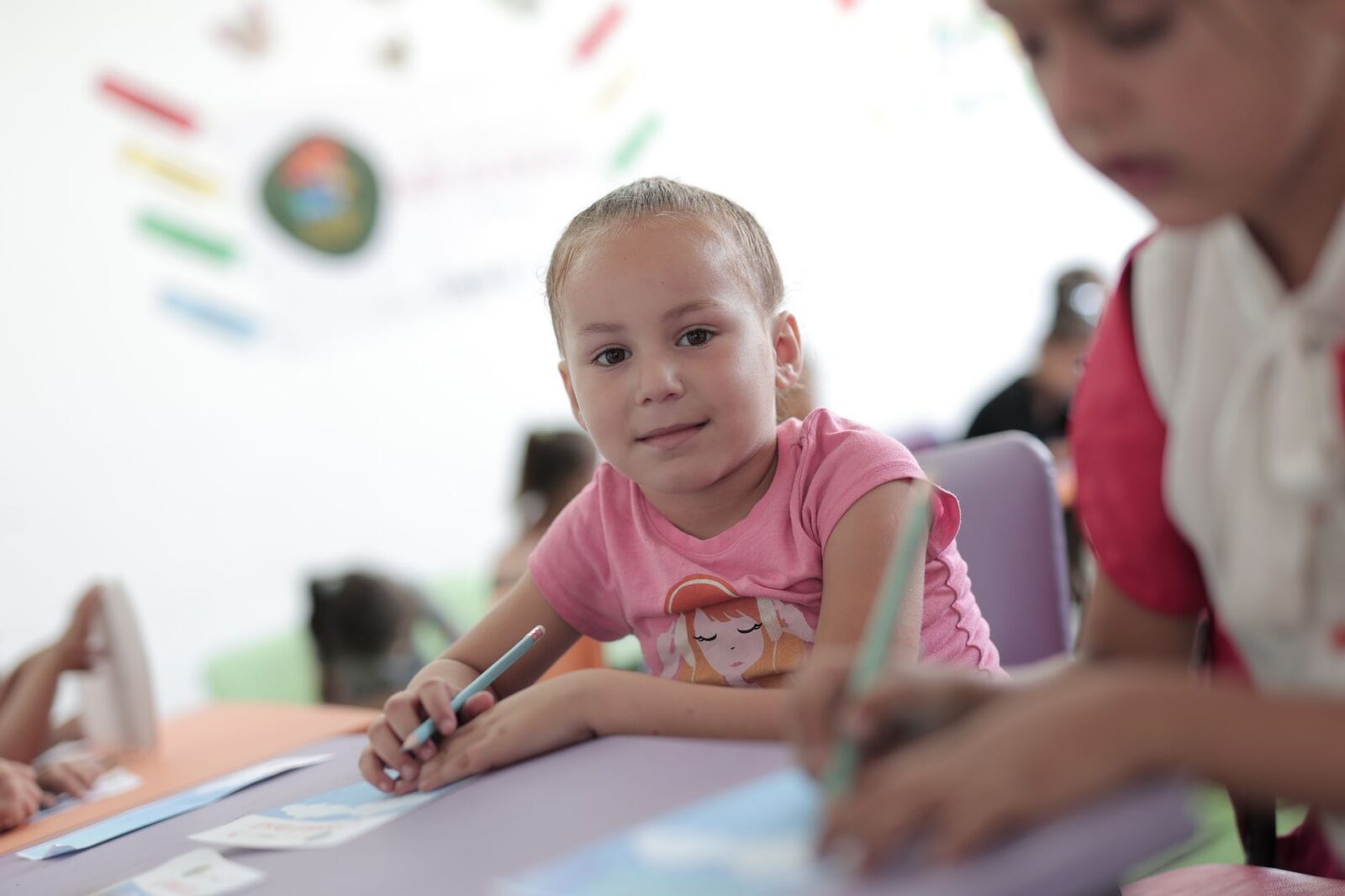
In a striking display of the ongoing humanitarian crisis in Gaza, students are now resorting to writing their assignments on aid boxes due to severe shortages of paper. This situation, reported on June 19, 2026, underscores the broader implications of the blockade and the deteriorating living conditions in the region, where access to basic educational materials has become increasingly restricted.
The paper shortages are a direct consequence of the Israeli blockade, which has severely limited the import of essential goods into Gaza. As a result, local suppliers are unable to meet the demands of schools, impacting thousands of students who are already facing significant challenges in their educational pursuits. The reliance on aid boxes for writing not only symbolizes the lack of resources but also the resilience of students and teachers who strive to continue their education under dire circumstances.
This development matters globally as it brings to light the intersection of education and humanitarian needs in conflict zones. The situation in Gaza serves as a stark reminder of the broader implications of protracted conflicts, where the next generation is at risk of being deprived of basic educational opportunities. International organizations, including UNICEF and the United Nations Relief and Works Agency (UNRWA), have been vocal about the urgent need for increased support and resources to address these shortages, yet funding remains inconsistent.
Looking ahead, if the current conditions persist, we may witness a further decline in educational outcomes in Gaza, potentially leading to long-term socioeconomic repercussions. The international community must respond with urgency to alleviate these shortages and support educational initiatives, or risk perpetuating a cycle of poverty and instability that affects not just Gaza, but the broader Middle East region.
Source: The New Arab










China’s UN Envoy Urges Israel to Adhere to Gaza Ceasefire Amid Escalating Tensions
China's call for Israel to uphold the Gaza ceasefire highlights the urgent...
 1 Mins read

White House Highlights Delayed Obama Presidential Center to Elevate Trump’s Legacy as ‘Builder-in-Chief’
The delayed inauguration of the Obama Presidential Center underscores the contrasting legacies...
1 Mins read
Trump’s Executive Power Ambitions Emerge in New Book
The global implications of Trump's increasing push for executive power resonate amid...
1 Mins read


Trump and Senate Republicans Clash Over Legislative Strategy
The rift between Trump and Senate Republicans signals potential shifts in U.S....
1 Mins read

Leave a comment