
Trump Unveils New Air Force One Gifted by Qatar Amidst Ongoing Iran Conflict

In a significant diplomatic gesture, former U.S. President Donald Trump unveiled a new Air Force One aircraft on June 20, 2026, a luxurious jet gifted to the United States by Qatar. This event takes place in the context of escalating tensions in the Middle East, particularly surrounding Iran, which has recently intensified its military activities in the region, raising concerns over maritime security in the Strait of Hormuz.
The ceremony, held at a military airbase, was attended by key figures in both the U.S. and Qatari governments, marking a pivotal moment in U.S.-Qatar relations. This new aircraft, referred to by Trump as the ‘Flying White House,’ symbolizes not only a significant upgrade to the presidential fleet but also Qatar’s strategic partnership with the United States at a time when alliances in the region are increasingly scrutinized. The gift underscores Qatar’s role as a critical ally in the Gulf amidst the backdrop of the ongoing Iran conflict.
This development is crucial as it reflects the shifting dynamics in the Middle East, particularly the influence of Gulf states in U.S. foreign policy. Qatar’s investment in this aircraft comes at a time when the U.S. is seeking to bolster its military presence and deterrence capabilities in the region against Iranian aggression. The move may also signal a tightening of ties between Washington and Doha, as both nations navigate the complexities of regional security and economic cooperation.
Looking ahead, the introduction of this new Air Force One may lead to increased visibility for Qatar on the global stage, potentially influencing other nations’ diplomatic strategies in the region. Additionally, as tensions with Iran continue to simmer, the U.S. may rely more heavily on its Gulf allies, necessitating deeper cooperation on defense and counter-terrorism initiatives. The implications of this partnership could reshape the geopolitical landscape in the Middle East for years to come.
Source: The Economic Times









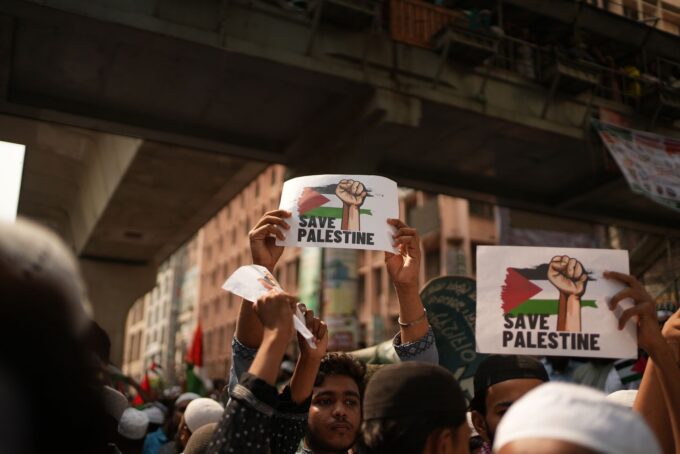
Israel and Hezbollah Ceasefire Agreement Amid US-Iran Tensions
The recent ceasefire between Israel and Hezbollah reflects shifting dynamics in Middle...
 1 Mins read

Oxfam’s Bushra Khalidi Addresses UN Security Council on Gaza Situation
Khalidi's address underscores urgent humanitarian needs in Gaza, highlighting global implications of...
1 Mins read
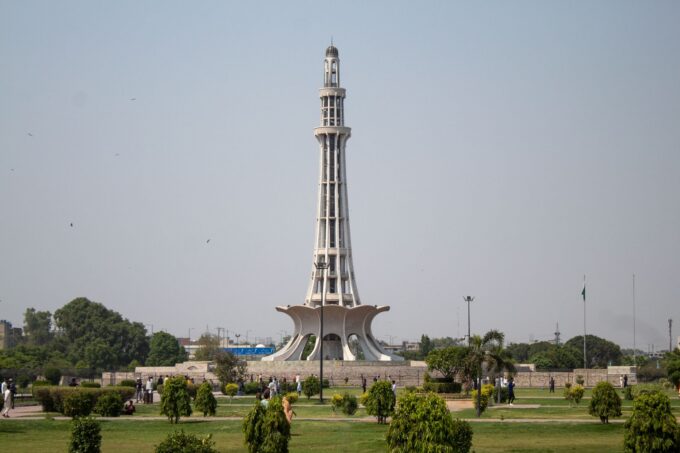
Pakistan Urges UN Security Council to Address Gaza Crisis
Pakistan calls for urgent international action as Gaza faces escalating humanitarian challenges,...
1 Mins read
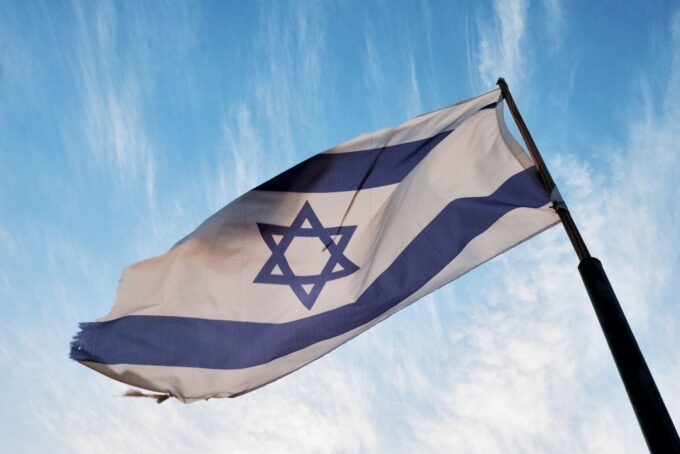


Israeli Airstrikes in Southern Lebanon Result in Five Fatalities Amid Ceasefire Tensions
The recent escalation in Israel-Lebanon tensions threatens stability in the region and...
1 Mins read
Leave a comment