
Ukraine’s Zelenskyy and Officials Return Polish Honors Amid WWII Tensions
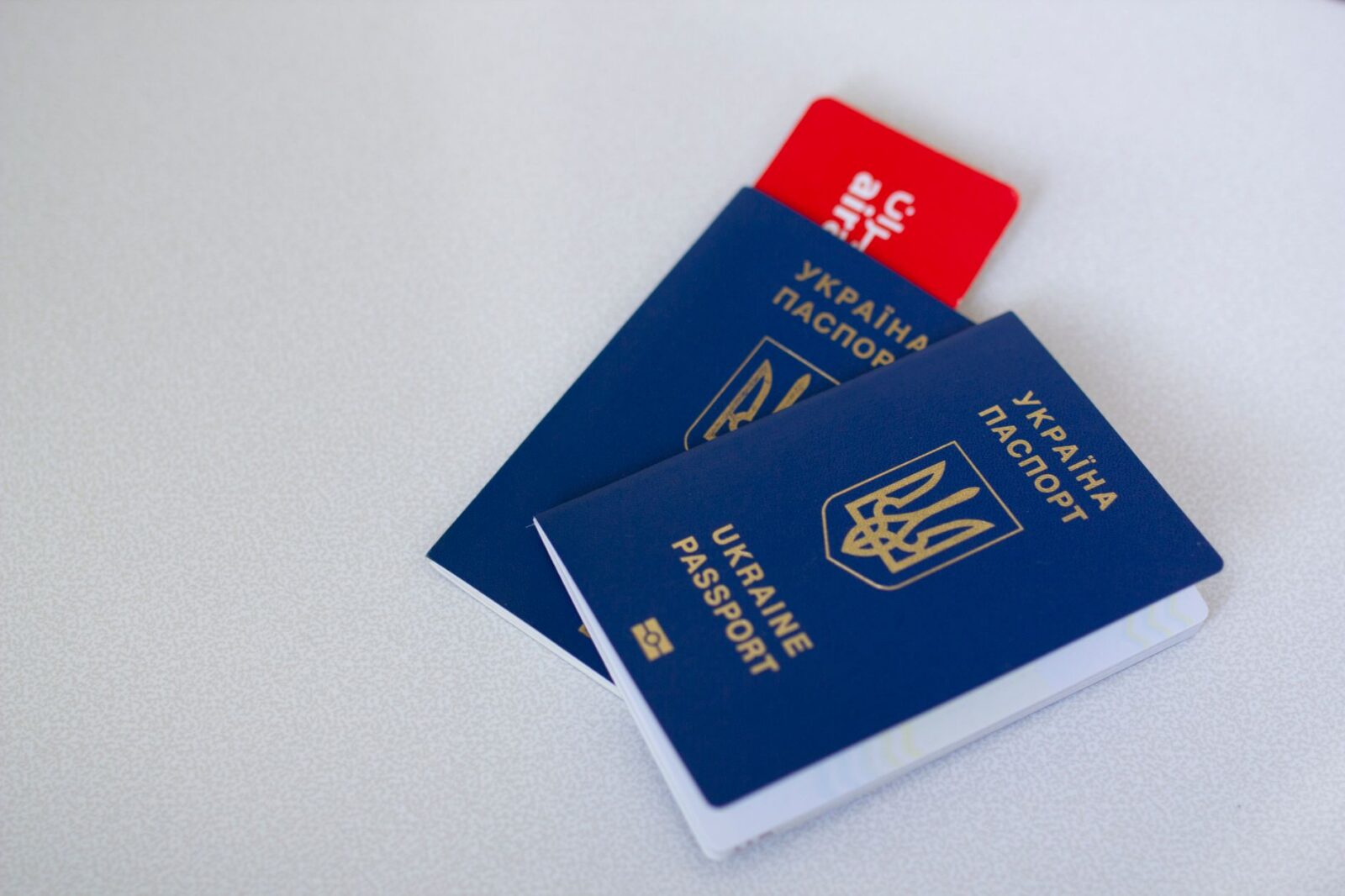
In a significant diplomatic gesture, Ukrainian President Volodymyr Zelenskyy and several senior officials have returned honors previously awarded by Poland, a move rooted in escalating tensions over historical interpretations of World War II. This decision, announced on June 21, 2026, underscores the fragility of Ukraine-Poland relations, particularly as both nations navigate complex historical grievances that continue to influence their contemporary ties.
The awards in question were bestowed upon Zelenskyy and other Ukrainian leaders in recognition of their contributions to regional security and cooperation. However, the recent return of these honors has been prompted by a resurgence of contentious dialogue regarding the wartime actions of both nations, particularly concerning the treatment of ethnic minorities during the conflict. This development is emblematic of broader issues in Eastern Europe, where historical narratives remain a contentious point of contention that can strain diplomatic relations.
Globally, this matter is significant as it reflects not only the delicate balance of power in Eastern Europe but also the intricate web of alliances and historical grievances that can impact current geopolitical dynamics. The historical context of World War II continues to shape national identities and political discourse, influencing how countries relate to one another today. As Ukraine continues to assert its sovereignty and navigate its post-Soviet identity, the implications of these historical disputes will be critical to its foreign policy and regional stability.
Looking ahead, the decision to return these awards could lead to heightened diplomatic tensions between Ukraine and Poland, potentially impacting broader alliances within the European Union and NATO. It may also provoke discussions about reparations and historical accountability, further complicating the relationship between these neighboring nations. As both countries work to address their shared past, the international community will be closely monitoring the developments, as they may foreshadow shifts in regional alliances and influence the stability of Eastern Europe.
Source: CNA








Donald Trump Jr. Plans White House Wedding Amid Political Uncertainty
Donald Trump Jr.'s wedding plans raise questions about the future of political...
 1 Mins read

White House Refutes Claims of Trump’s Access to Experimental Weight Loss Drug
The denial of Trump's access to a novel drug raises questions about...
1 Mins read
Trump Faces Identity Crisis in America’s 250th Anniversary Year
The ongoing debate over national identity under Trump signifies a pivotal moment...
1 Mins read



Bo Nickal Discusses Insights from Donald Trump During White House Visit at Penn State
The exchange between Bo Nickal and Donald Trump highlights the intersection of...
1 Mins read

Leave a comment