
Congress Moves Housing Bill Forward, Awaiting Trump’s Response
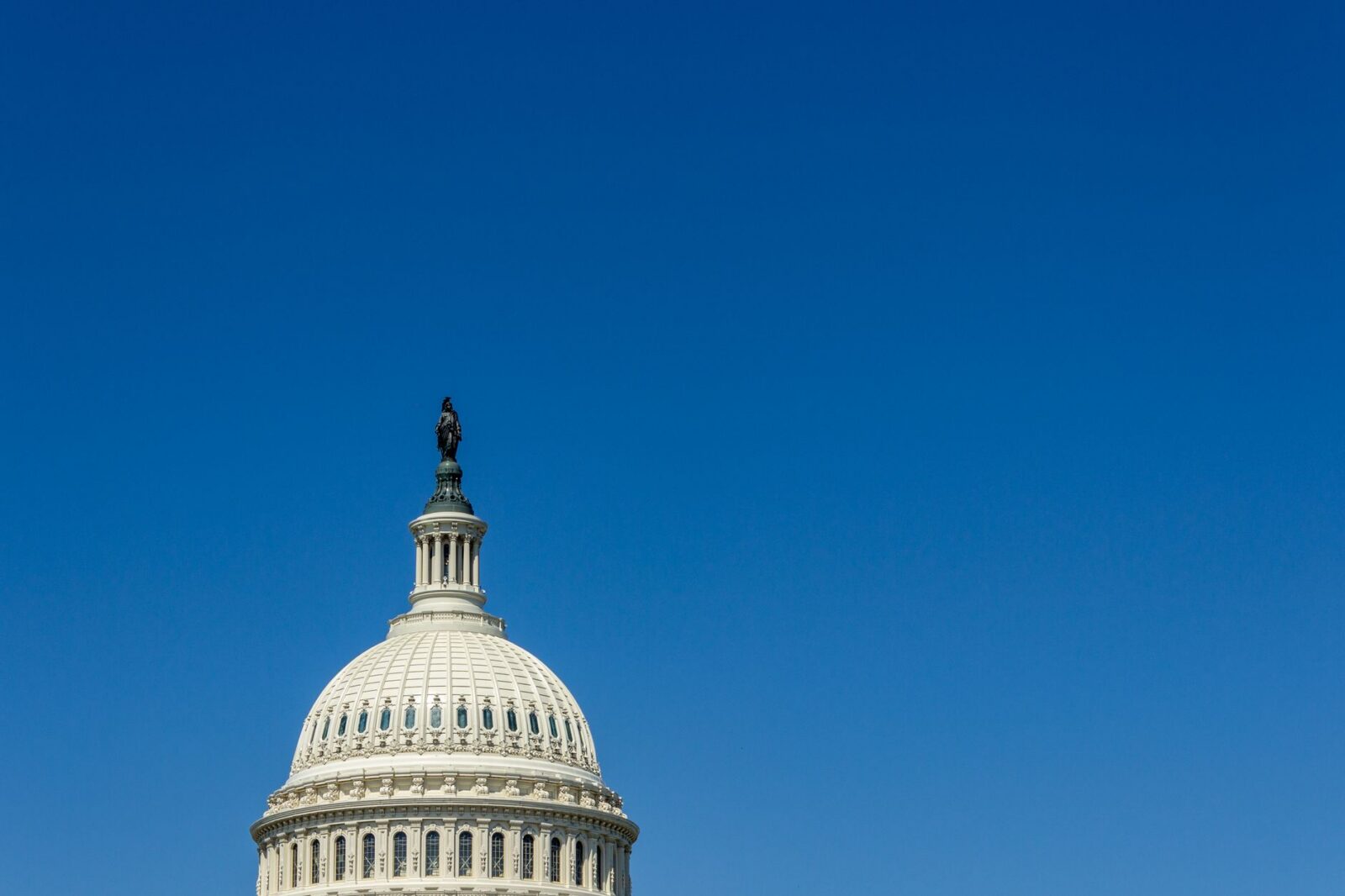
In a significant development on June 26, 2026, House Speaker Mike Johnson announced that Congress is preparing to send a pivotal housing bill to the White House for President Donald Trump’s approval. While Johnson did not specify an exact timeline for this action, the implications of this bill are vast, touching on issues of affordability, urban development, and economic stability.
The housing bill, which has been a point of contention among lawmakers, aims to address the growing crisis of housing affordability across the United States. With rising interest rates and increasing construction costs, millions of Americans are currently grappling with the inability to secure affordable housing. This legislation is seen as a critical step in alleviating these pressures, potentially providing funding for low-income housing projects and easing zoning restrictions that have stifled development in urban areas.
The urgency of this bill cannot be overstated. As the global economy continues to face uncertainties, including inflationary pressures and supply chain disruptions, the housing market’s health is vital. A successful passage and implementation of this bill could stimulate economic growth, create jobs in construction and related sectors, and provide stability for families struggling to find adequate shelter. Conversely, failure to act could exacerbate the housing crisis, leading to increased homelessness and economic disparity.
Looking ahead, the next steps hinge on the reactions from both Congress and the White House. Trump’s signature would not only signal his administration’s commitment to addressing housing issues but could also set the stage for broader discussions on economic policy leading into the 2026 midterm elections. With the political landscape rapidly evolving, stakeholders from various sectors will be closely monitoring this development, as it carries significant weight for the future of housing policy in the United States and its global economic ramifications.
Source: MSN









Federal Judge Blocks Trump Administration’s Obesity Initiative Amid White House Response
The ruling highlights ongoing tensions in U.S. health policy and its global...
 1 Mins read

Trump Demands Election Reforms as Condition for Signing Affordable Housing Bill
Trump's ultimatum on housing legislation highlights the intersection of housing policy and...
1 Mins read

DOJ Disqualification Request Denied in Trump Correspondents Dinner Case
The denial of the DOJ's request underscores ongoing legal complexities surrounding former...
1 Mins read


Supreme Court Rulings Empower Trump Administration in Immigration Policy
The Supreme Court's recent decisions grant the Trump administration significant authority over...
1 Mins read

Leave a comment