
Israeli Drone Strike Claims Lives of Palestinian Siblings in Gaza
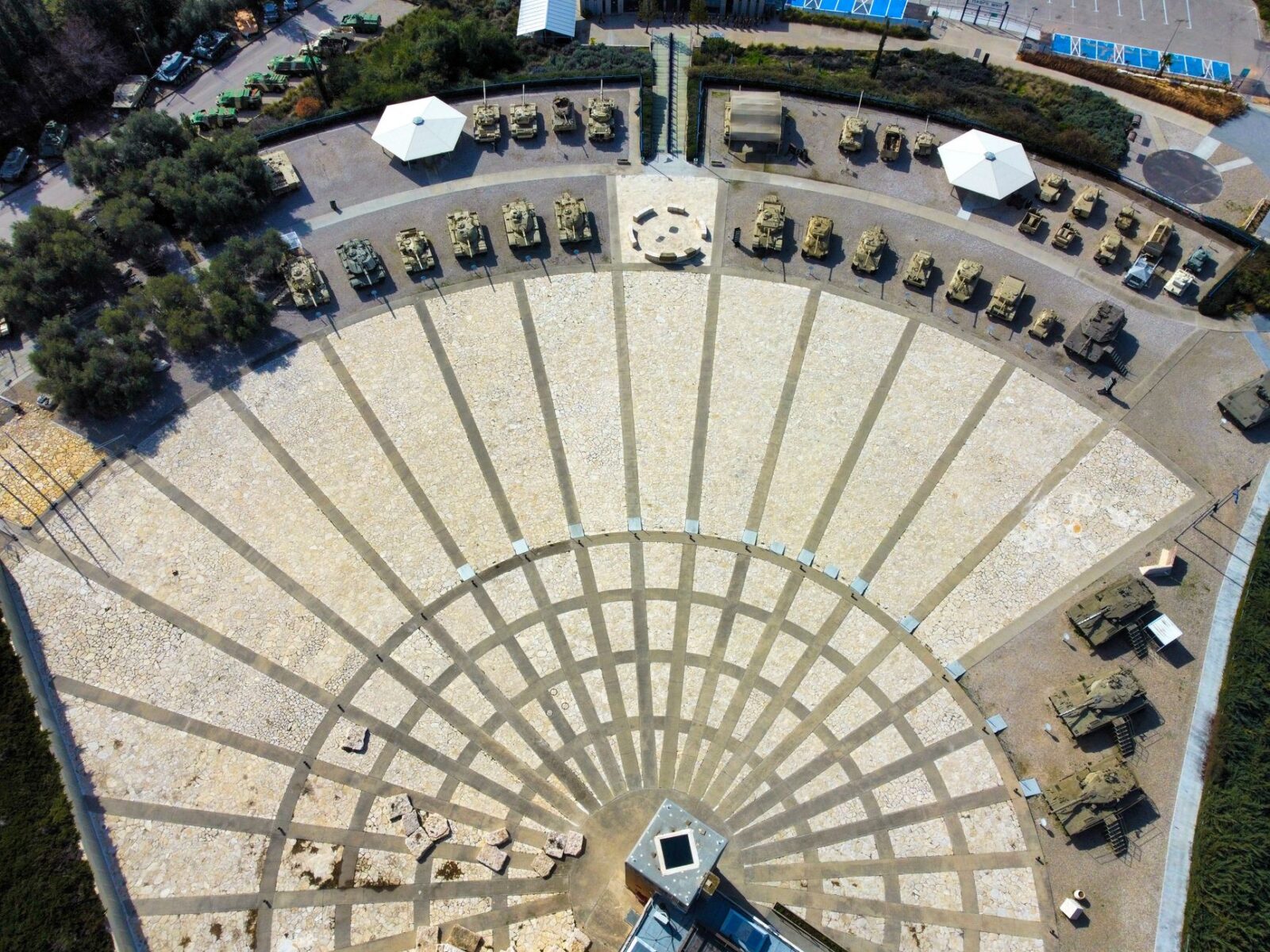
In a tragic incident on June 27, 2026, an Israeli drone strike targeted a tent camp in Gaza, resulting in the deaths of two Palestinian siblings. This attack has once again heightened tensions in an already volatile region, drawing international scrutiny and condemnation. The siblings, aged 12 and 15, were reportedly playing outside their family’s tent when the strike occurred, highlighting the indiscriminate nature of military operations in densely populated areas.
The attack has been attributed to Israel’s ongoing military operations aimed at dismantling what it describes as militant infrastructure within Gaza. The Israeli Defense Forces (IDF) have stated that such actions are necessary for national security, citing ongoing threats from militant groups operating in the region. However, the loss of civilian life, especially among children, raises serious ethical questions about the tactics employed and the collateral damage incurred.
This incident matters globally as it illustrates the persistent humanitarian crisis in Gaza, which is exacerbated by the blockade imposed by Israel and Egypt. Human rights organizations have long criticized the blockade for contributing to dire living conditions and limiting access to essential services. The international community, including the United Nations, has repeatedly called for a ceasefire and a renewed peace process, yet diplomatic efforts remain stalled.
In the wake of this drone strike, there is a palpable risk of escalation in violence. Palestinian factions may retaliate, leading to further military action from Israel, which could spiral into a broader conflict. Additionally, the incident could provoke international responses, potentially leading to increased pressure on Israel to reconsider its military strategies and engage in dialogue. As global leaders assess the implications of this tragedy, the need for a sustainable resolution to the Israeli-Palestinian conflict grows ever more urgent.
Source: AP News






Traditionalist Catholics Challenge Pope Leo XIV’s Authority, Embrace Outsider Identity
The growing rift among traditionalist Catholics signifies a pivotal moment in the...
 1 Mins read
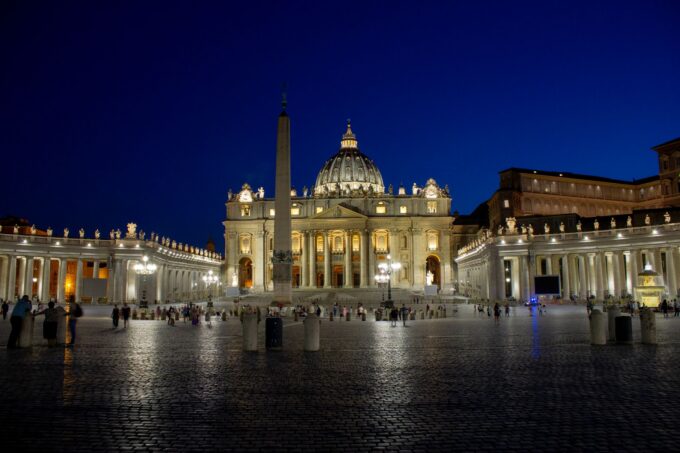
Pope Leo XIV Opens Consistory, Urges Cardinals to Foster Global Unity in Faith
Pope Leo XIV's call for unity among cardinals underscores the Catholic Church's...
1 Mins read

Cardinals Consider Replacing ‘Just War’ Doctrine with ‘Proportional Defense’ Framework
The potential shift from 'just war' to 'proportional defense' could redefine Catholic...
1 Mins read


Pope Appoints Former Undocumented Migrant as Bishop in the United States
This historic appointment highlights the Catholic Church's stance on immigration and inclusion,...
1 Mins read
Leave a comment