
Israel Violates Ceasefire in Gaza, Death Toll Reaches 1,031
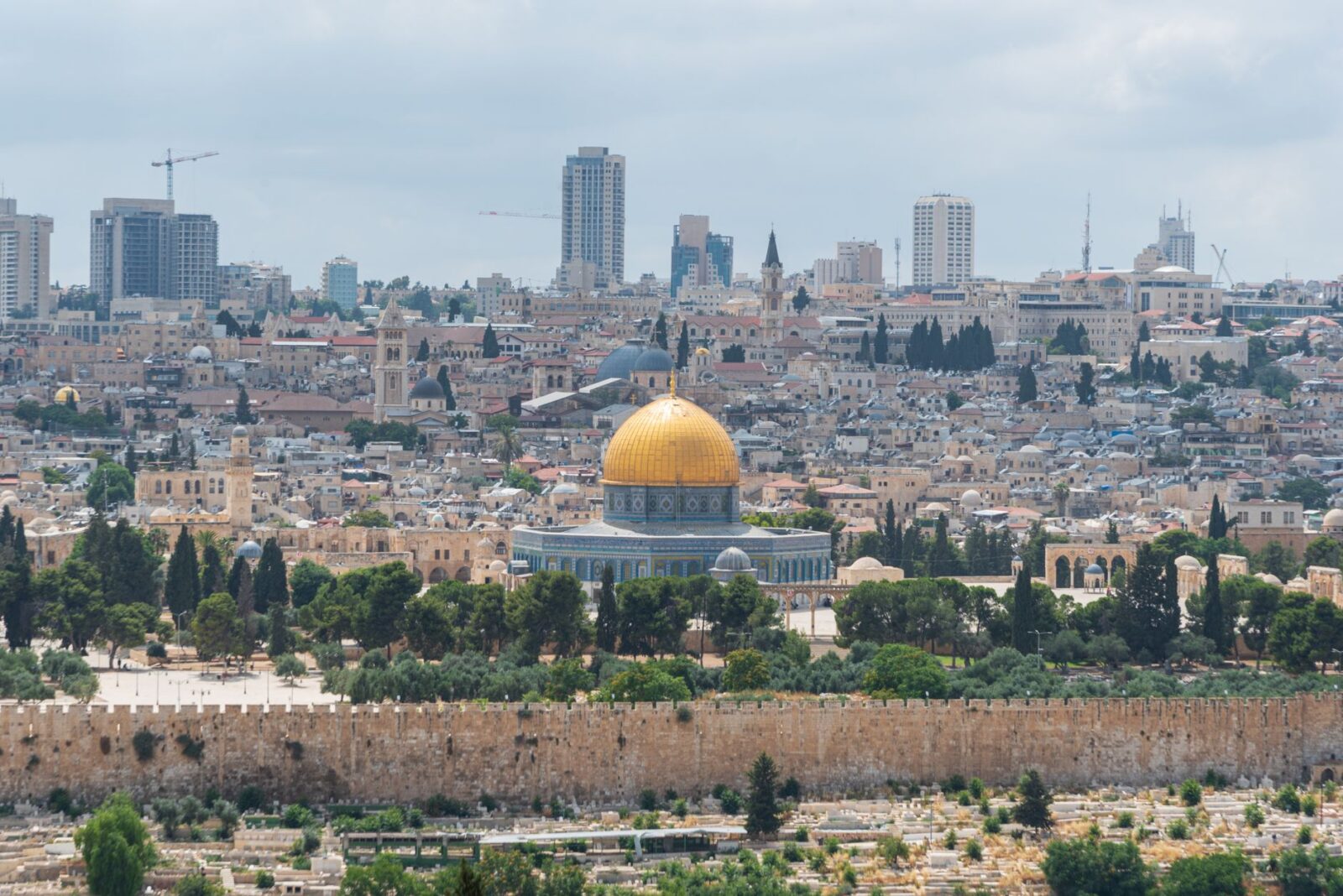
In a devastating escalation of hostilities, Israel has reportedly breached a ceasefire agreement in Gaza, leading to a staggering death toll of 1,031 individuals, as confirmed by local health authorities. This breach has not only intensified the humanitarian crisis but has also drawn widespread condemnation from various international entities, including the United Nations and human rights organizations.
The conflict has primarily involved Israeli Defense Forces (IDF) operations targeting Hamas and other militant groups in Gaza, which Israel accuses of launching attacks against its territory. The latest offensive has exacerbated an already dire situation, with thousands of civilians caught in the crossfire. As reported by local sources, the majority of the casualties are non-combatants, highlighting the severe impact of military actions on innocent lives.
This situation is critical for several reasons. Firstly, the humanitarian implications are profound; Gaza has been under an Israeli blockade for over a decade, leading to severe shortages of medical supplies, food, and clean water. The recent spike in violence threatens to further destabilize the region, potentially leading to a wider conflict that could involve neighboring countries and international powers. The global community is watching closely, as this situation may influence geopolitical alliances and international relations in the Middle East.
Looking ahead, the potential for escalation is high. If the violence continues unabated, we may see increased calls for international intervention or peacekeeping efforts. Additionally, public opinion worldwide is shifting, with many advocating for a reassessment of foreign policies toward Israel and Palestine. The international community must respond decisively to prevent further loss of life and to address the underlying issues fueling this long-standing conflict.
Source: madhyamamonline.com




Traditionalist Catholics Challenge Pope Leo XIV’s Authority, Embrace Outsider Identity
The growing rift among traditionalist Catholics signifies a pivotal moment in the...
 1 Mins read
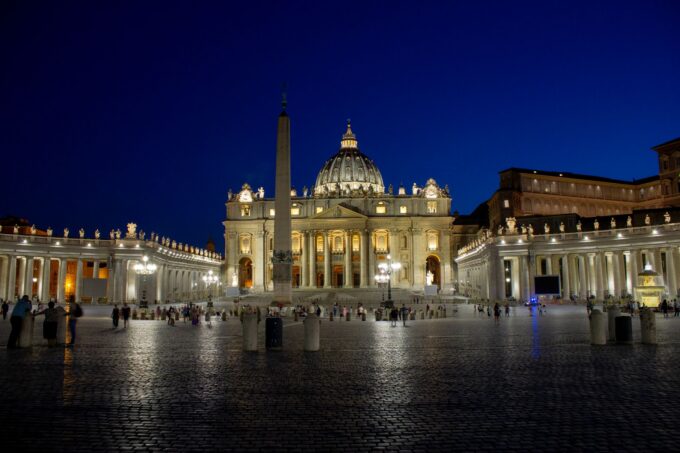
Pope Leo XIV Opens Consistory, Urges Cardinals to Foster Global Unity in Faith
Pope Leo XIV's call for unity among cardinals underscores the Catholic Church's...
1 Mins read

Cardinals Consider Replacing ‘Just War’ Doctrine with ‘Proportional Defense’ Framework
The potential shift from 'just war' to 'proportional defense' could redefine Catholic...
1 Mins read
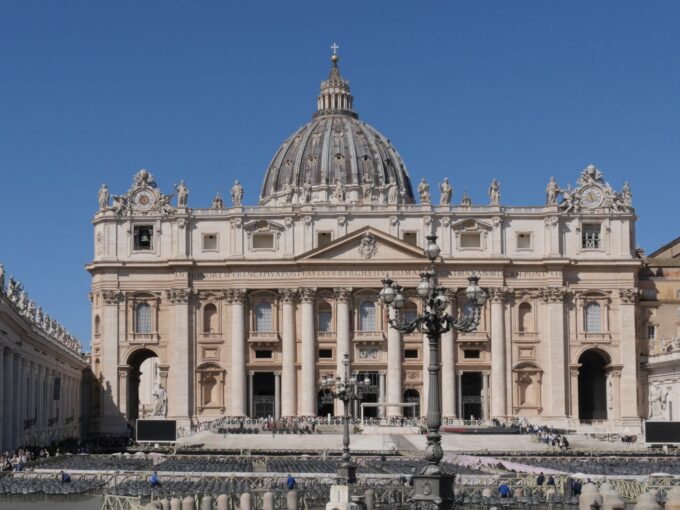


Pope Appoints Former Undocumented Migrant as Bishop in the United States
This historic appointment highlights the Catholic Church's stance on immigration and inclusion,...
1 Mins read
Leave a comment