
Hundreds Rally in Stockholm Against Israeli Strikes on Gaza
On June 27, 2026, hundreds of demonstrators gathered in Stockholm to protest against the recent Israeli military strikes on Gaza. The rally, organized by various human rights groups and local activists, aimed to draw attention to the escalating violence and humanitarian crisis in the region. Participants carried placards and chanted slogans condemning the Israeli government’s actions, reflecting a growing wave of public discontent across Europe regarding the ongoing conflict in the Middle East.
The protests come in the wake of renewed hostilities between Israel and Hamas, which have resulted in significant casualties and destruction in Gaza. As of this week, reports indicate that over 200 Palestinians have been killed, with thousands more displaced. The Israeli government, led by Prime Minister Benjamin Netanyahu, has justified the strikes as necessary for national security and a response to rocket fire from Gaza. However, this justification has been met with widespread criticism, including calls for accountability from international human rights organizations.
The significance of these protests extends beyond the borders of Sweden. They encapsulate a growing frustration among global citizens regarding the perceived inaction of world leaders and institutions in addressing the humanitarian crisis. The demonstrations in Stockholm are part of a larger trend, with similar protests occurring in cities such as London, Berlin, and Paris, signaling a shift in public sentiment and a potential mobilization of grassroots movements across Europe.
Looking ahead, the ramifications of these protests could influence diplomatic discussions on the Israeli-Palestinian conflict. As public pressure mounts, European leaders may be compelled to take a firmer stance against military actions that disproportionately affect civilians. Furthermore, the continued unrest could prompt a reevaluation of international aid policies towards both Israel and Palestine, particularly in light of the humanitarian needs emerging from the ongoing violence.
Source: Middle East Monitor






Traditionalist Catholics Challenge Pope Leo XIV’s Authority, Embrace Outsider Identity
The growing rift among traditionalist Catholics signifies a pivotal moment in the...
 1 Mins read
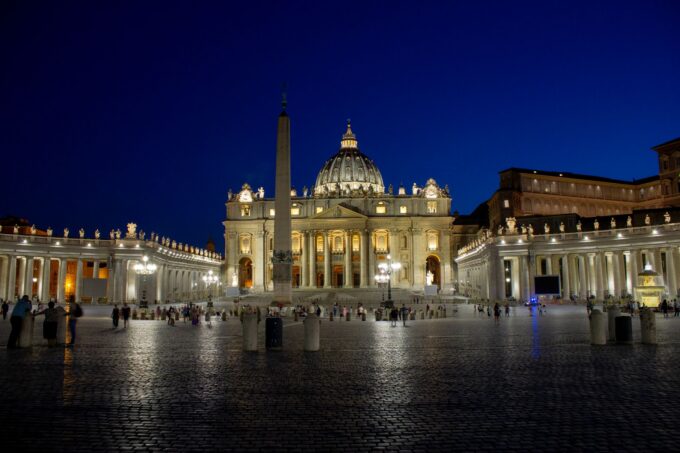
Pope Leo XIV Opens Consistory, Urges Cardinals to Foster Global Unity in Faith
Pope Leo XIV's call for unity among cardinals underscores the Catholic Church's...
1 Mins read

Cardinals Consider Replacing ‘Just War’ Doctrine with ‘Proportional Defense’ Framework
The potential shift from 'just war' to 'proportional defense' could redefine Catholic...
1 Mins read
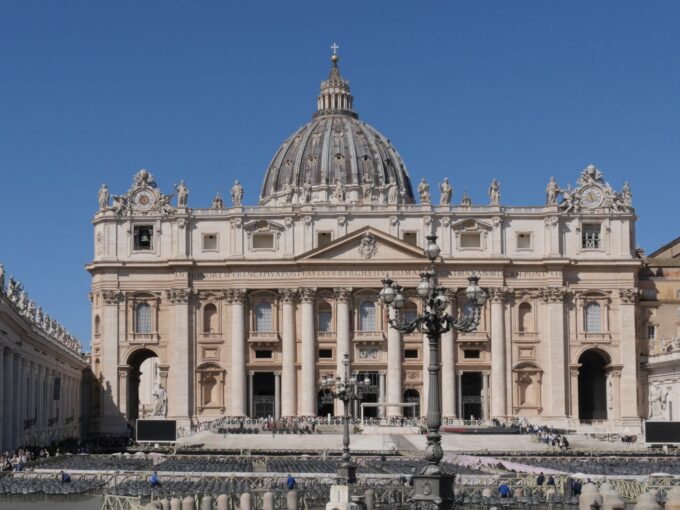


Pope Appoints Former Undocumented Migrant as Bishop in the United States
This historic appointment highlights the Catholic Church's stance on immigration and inclusion,...
1 Mins read
Leave a comment