
Vatican Rejects Proposal for Women and Laypeople to Preach at Mass
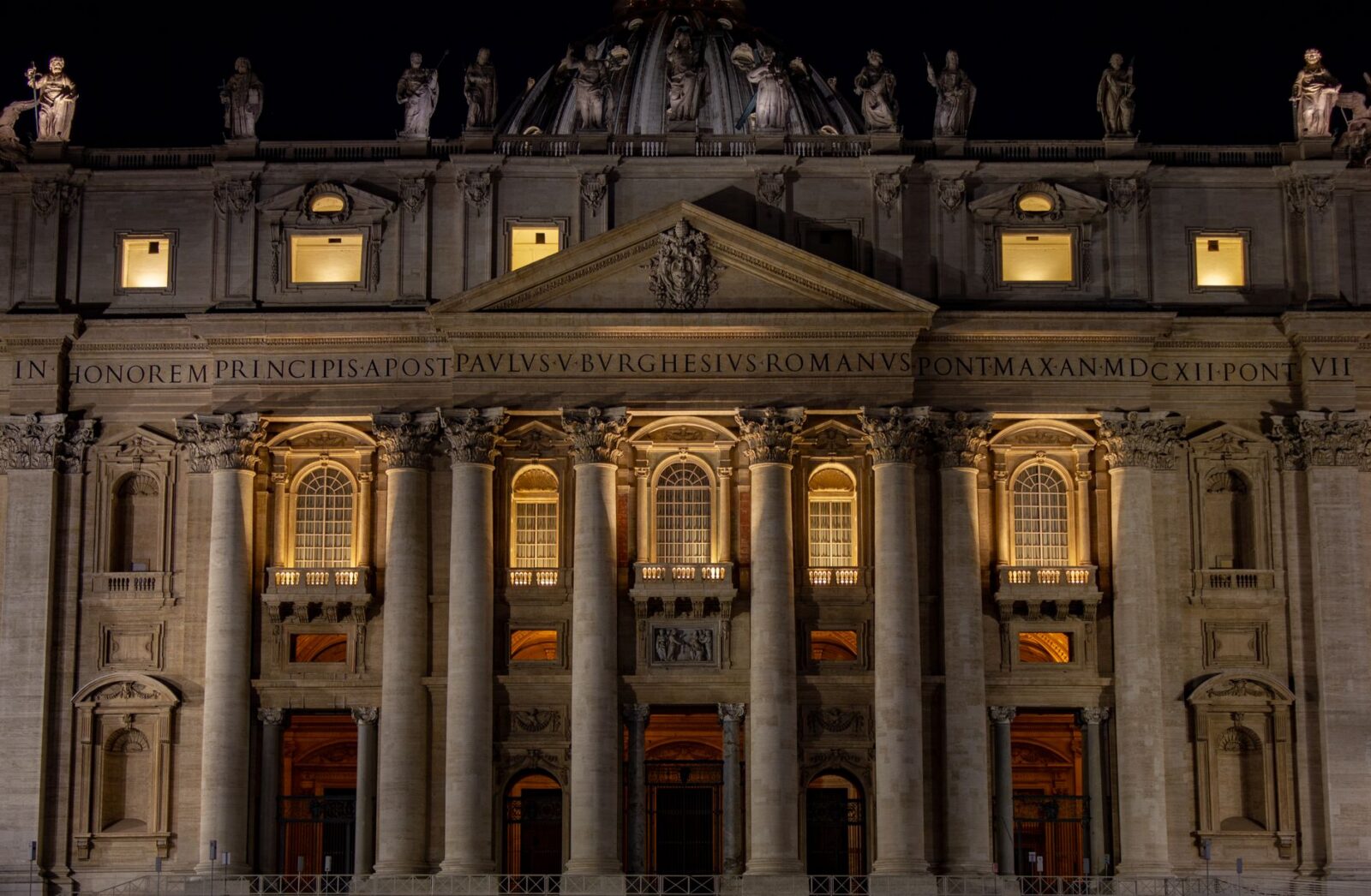
In a significant move, the Vatican has decisively blocked a proposal aimed at allowing Catholic women and laypeople to deliver sermons during Mass. This decision was announced on June 27, 2026, following discussions that had garnered attention from various sectors of the Catholic community and beyond. The initiative sought to broaden the role of non-clerical members in church services, reflecting a growing demand for inclusivity and gender equality within the Catholic Church.
The proposal was part of a broader movement advocating for reforms within the Church, spearheaded by progressive factions that have been pushing for greater involvement of women and laypeople in ecclesiastical duties. These discussions were particularly amplified in the wake of recent global conversations surrounding women’s rights and representation in religious institutions. However, the Vatican’s response underscores a persistent adherence to traditional doctrines, which continue to limit roles within the liturgical framework to ordained priests.
This decision carries substantial implications for the Catholic Church’s global standing, particularly as it faces criticism from within and outside its community for perceived stagnation on issues of gender equality. The rejection may exacerbate tensions among reformist groups, potentially leading to further division within the Church as advocates for change express their discontent. Moreover, the decision could influence Catholic congregations worldwide, particularly in regions where the demand for greater inclusion is more pronounced.
Looking ahead, the Vatican’s stance may provoke intensified advocacy for reform, particularly from influential Catholic organizations and lay movements that have already mobilized around these issues. As discussions continue, the Church may find itself at a crossroads, where the push for inclusivity could either lead to significant reforms or reinforce existing structures that many argue are outdated in a modern context.
Source: MSN




Measles Cases Surpass 1,000 in Pennsylvania, Prompting Public Health Concerns
The rise in measles cases in Pennsylvania has exceeded 1,000, marking a...
 1 Mins read
AI Whistleblowers Raise Safety Concerns at NYC Hearing
The involvement of AI whistleblowers at a recent NYC hearing highlights critical...
2 Mins read
Tropical System Forming in the Gulf: Public Safety Risks Loom
A tropical system is likely developing in the Gulf this week, raising...
2 Mins read
Ebola Outbreak Escalates in North Kivu: New Hotspots Identified
The Ebola outbreak in North Kivu, Democratic Republic of the Congo, has...
2 Mins read