
China Conducts Missile Launch, Escalating Regional Tensions
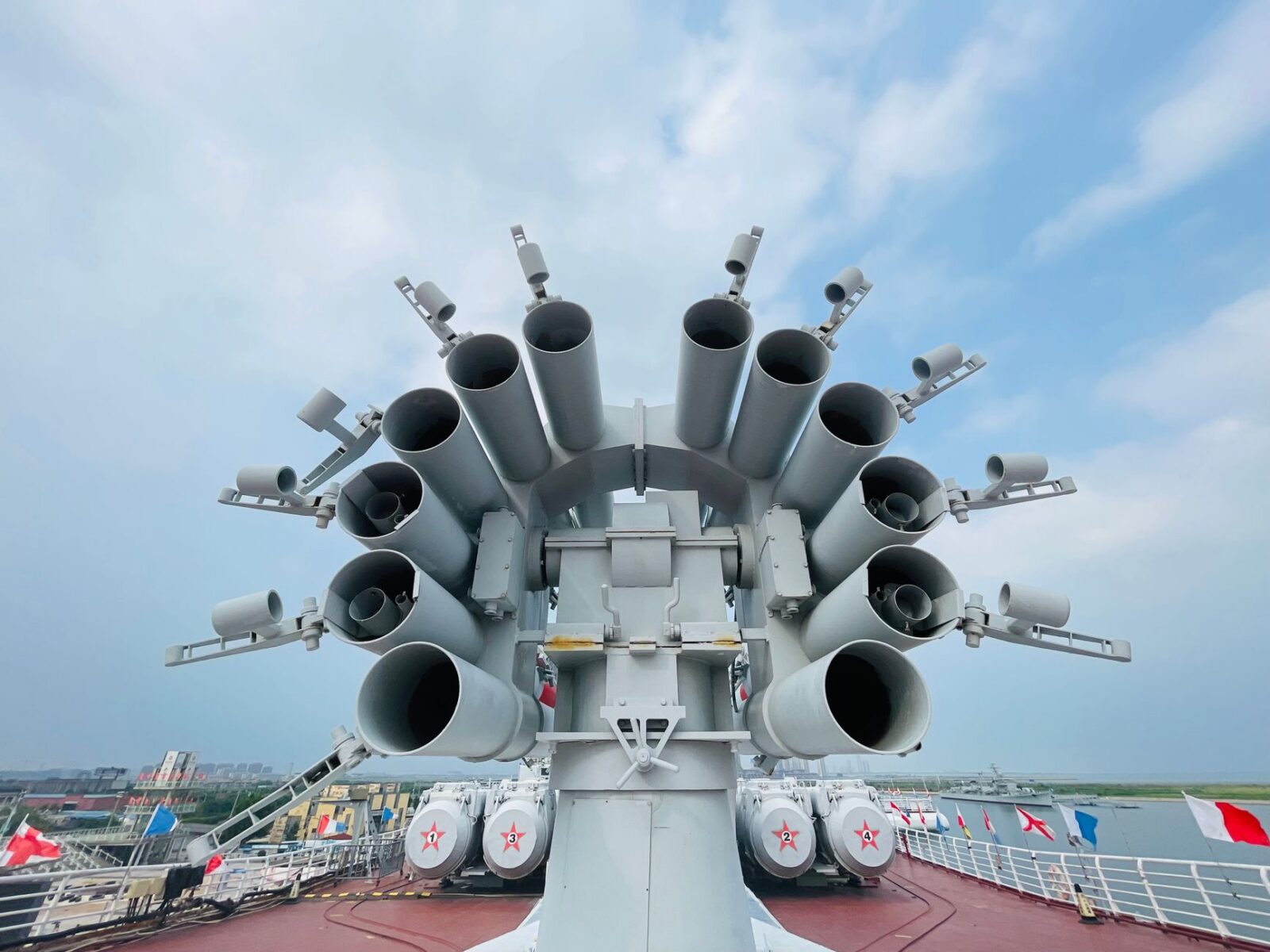
On July 6, 2026, China conducted a missile launch that has heightened tensions across the Asia-Pacific region. This development is particularly alarming given the ongoing geopolitical complexities involving China, the United States, and neighboring countries such as Japan and Taiwan. The exact specifications of the missile and the location of the launch have not been fully disclosed, but analysts suggest it may be part of China’s broader military modernization efforts.
The launch comes at a time when U.S.-China relations are already strained, particularly over trade disputes and military posturing in the South China Sea. The United States has responded by reiterating its commitment to defend its allies in the region, including Japan and South Korea, which could lead to an escalation of military readiness among these nations. Japan’s Prime Minister, Fumio Kishida, has condemned the missile launch, emphasizing the need for a united international response to safeguard peace in the region.
This incident is significant not only for its immediate implications but also for the long-term strategic landscape in Asia. The missile launch could prompt Japan and South Korea to reconsider their defense policies, potentially enhancing their military capabilities and seeking closer ties with U.S. forces. Furthermore, it raises questions about the effectiveness of existing diplomatic channels aimed at mitigating military tensions in the region.
Looking ahead, the international community must closely monitor China’s military activities, as they could influence security alliances and economic partnerships across Asia. The potential for a regional arms race is palpable, and global leaders must engage in proactive diplomacy to address these rising tensions before they escalate into a more significant conflict.
Source: Devdiscourse








Pope Leo XIV Remains Isolated at the Vatican Amidst Global Tensions
The isolation of Pope Leo XIV underscores the Vatican's precarious position in...
 1 Mins read
NATO Summit 2026 Addresses Defence Spending, Ukraine Crisis, and Iran Tensions
The NATO Summit 2026 is crucial as global security dynamics shift amid...
1 Mins read

NATO Leaders Meet in Ankara to Discuss Ukraine Aid and Defense Spending
NATO's discussions in Ankara are pivotal as they shape global security dynamics...
1 Mins read


Russia Launches Strikes on Ukraine, Highlighting Air Defense Vulnerabilities Ahead of NATO Summit
The recent Russian strikes on Ukraine underscore critical air defense gaps, raising...
1 Mins read

Leave a comment