
Gaza’s Unfulfilled Ceasefire Leaves Bodies Unclaimed and Public Health Crisis Looming
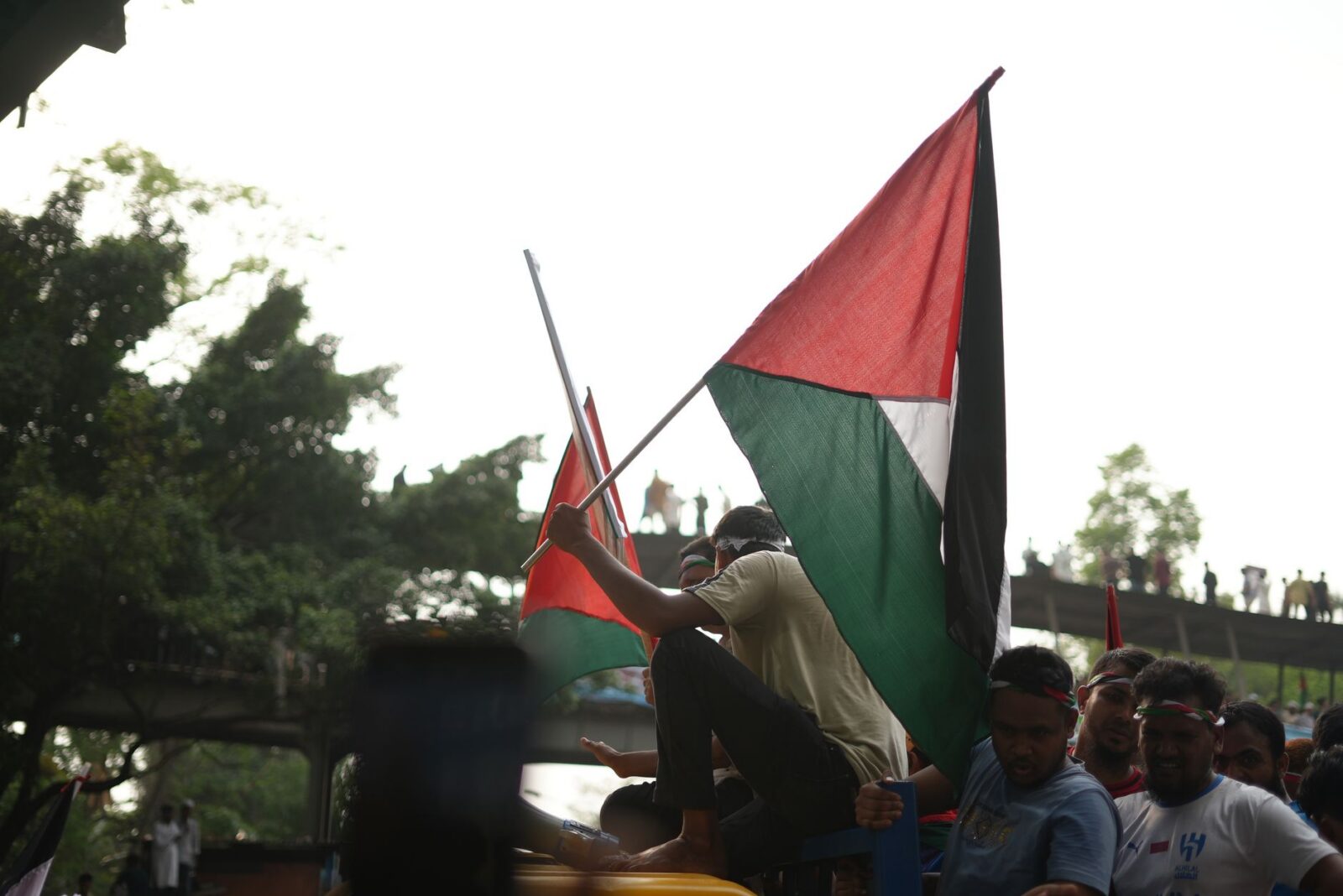
In Gaza, the humanitarian situation has reached a critical juncture as unclaimed bodies continue to accumulate in the streets, while rampant rat infestations exacerbate an already dire public health crisis. Reports indicate that despite a ceasefire that was supposed to bring relief to the region, the lack of effective governance and humanitarian aid has left many families unable to retrieve the remains of their loved ones, compounding the tragedy of loss with the agony of neglect.
The ongoing conflict has involved multiple stakeholders, including the Palestinian Authority, Hamas, and various international organizations. However, the failure to implement the ceasefire effectively has resulted in a vacuum of authority, allowing for the deterioration of living conditions. The World Health Organization has raised alarms about the potential for disease outbreaks, which could have devastating effects not only for Gaza’s population but also for neighboring regions, given the interconnected nature of public health.
This situation matters globally as it highlights the urgent need for cohesive international action to address humanitarian crises. The lack of progress in peace negotiations and the inability to provide basic services such as sanitation and healthcare could lead to wider regional instability, affecting global security and economic conditions. Furthermore, the images of suffering emanating from Gaza resonate with international audiences, prompting calls for accountability and change.
Looking ahead, if the international community fails to intervene decisively, we may witness an escalation of humanitarian needs, potentially leading to further unrest in the region. This could provoke a response from global powers, either through increased diplomatic efforts or humanitarian aid, but the window for effective action is narrowing. The world must pay attention to Gaza, as its fate could serve as a precursor to future conflicts if left unaddressed.
Source: KRDO









Pope Leo XIV Remains Isolated at the Vatican Amidst Global Tensions
The isolation of Pope Leo XIV underscores the Vatican's precarious position in...
 1 Mins read
NATO Summit 2026 Addresses Defence Spending, Ukraine Crisis, and Iran Tensions
The NATO Summit 2026 is crucial as global security dynamics shift amid...
1 Mins read
NATO Leaders Meet in Ankara to Discuss Ukraine Aid and Defense Spending
NATO's discussions in Ankara are pivotal as they shape global security dynamics...
1 Mins read



Russia Launches Strikes on Ukraine, Highlighting Air Defense Vulnerabilities Ahead of NATO Summit
The recent Russian strikes on Ukraine underscore critical air defense gaps, raising...
1 Mins read

Leave a comment