
Germany Boosts Defense Spending Ahead of NATO Summit
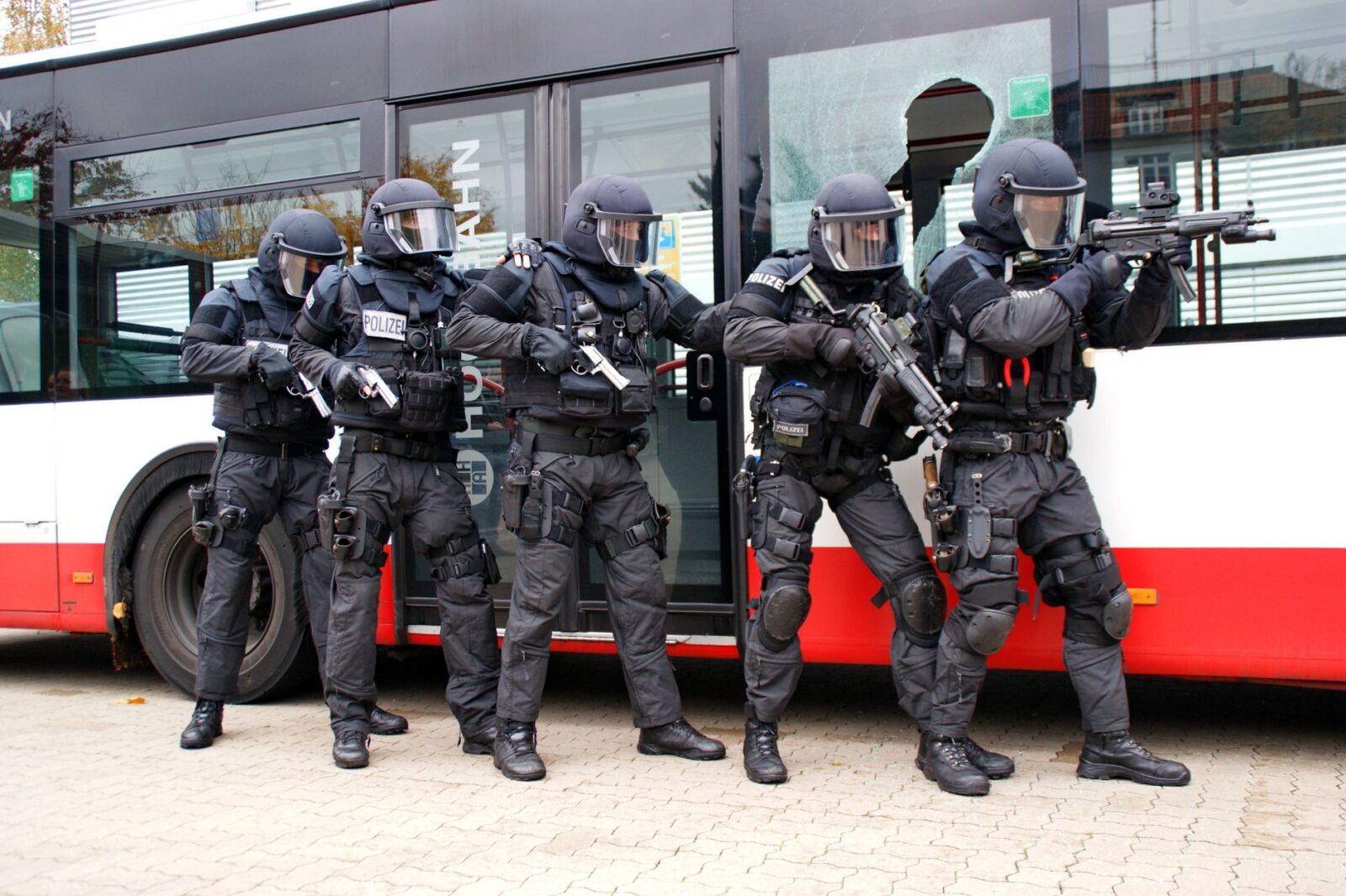
In a decisive move reflecting shifting geopolitical dynamics, the German government has approved a substantial increase to its defense budget, just days ahead of the NATO summit scheduled for July 10, 2026. The new budget allocates an additional €10 billion, raising Germany’s defense spending to approximately €60 billion for the upcoming fiscal year. This marks a significant commitment by Europe’s largest economy to enhance its military capabilities amid escalating tensions in Eastern Europe and growing global security challenges.
The decision, announced by Defense Minister Boris Pistorius, comes at a time when NATO member states are under pressure to bolster their defense expenditures in light of Russia’s ongoing military actions and the broader implications of global security threats. Germany’s move is seen as an alignment with NATO’s guideline stipulating that member countries should spend at least 2% of their GDP on defense. Currently, Germany’s defense spending hovers around 1.5% of its GDP, necessitating this increase to meet both NATO expectations and national security needs.
This budgetary enhancement not only positions Germany as a key player within NATO but also underscores the urgency for European nations to invest in collective defense capabilities. The implications of this increase extend beyond Germany’s borders; it signals a commitment to European defense autonomy and a potential shift in the balance of power within NATO. As European security concerns grow, Germany’s enhanced military posture could encourage other nations to follow suit, fostering a more robust European defense framework.
Looking ahead, this increase in defense spending may prompt discussions at the NATO summit regarding collaborative military initiatives and shared defense responsibilities. Furthermore, it raises questions about Germany’s role in international military operations and its willingness to assume a leadership position within NATO. The global community will be closely monitoring these developments, as they could reshape transatlantic relations and influence defense strategies worldwide.
Source: news.sbs.co.kr








Russell Fry Positions Himself as Key Contender for Graham’s Senate Seat
Fry's candidacy could reshape the political landscape in South Carolina amid ongoing...
 1 Mins read

Republican Nominee Odds for 2028 Presidential Election Shift Significantly
The evolving dynamics of the 2028 Republican nomination process highlight the strategic...
1 Mins read

Mike Pence Advocates for U.S. Military Engagement in Ongoing Conflicts
Pence's call for military action underscores the shifting dynamics of U.S. foreign...
1 Mins read



CFL Player Jayden Dalke Dies at 30 Following Tragic Car Accident
The untimely death of Jayden Dalke underscores the urgent need for road...
1 Mins read
