

The Aftermath of a Housing Boom
The housing market has undergone a significant transformation since the pandemic, characterized by rapid demand growth fueled by historically low interest rates and the rise of remote work. This phenomenon, often referred to as the “WFH arbitrage,” allowed high-income earners to maintain their salaries while relocating to more affordable areas, leading to a surge in demand across certain markets.
As the Federal Reserve noted, the pandemic’s impact on housing demand was so pronounced that new construction would have needed to triple to meet the influx of buyers. The result? A dramatic depletion of inventory and a staggering rise in home prices—43% between March 2020 and June 2022. This unprecedented demand, coupled with a lagging supply response, set the stage for a market that was not only overheated but also ripe for correction.
Demand Dynamics: A New Landscape
As we transitioned into 2023, the housing landscape began to shift. The sharp rise in mortgage rates, combined with the momentum of return-to-office strategies, triggered a notable decline in buyer demand. This “fever breaking” was particularly pronounced in markets that were most sensitive to interest rates, such as those along the West Coast and in once-booming areas like Austin and Boise.
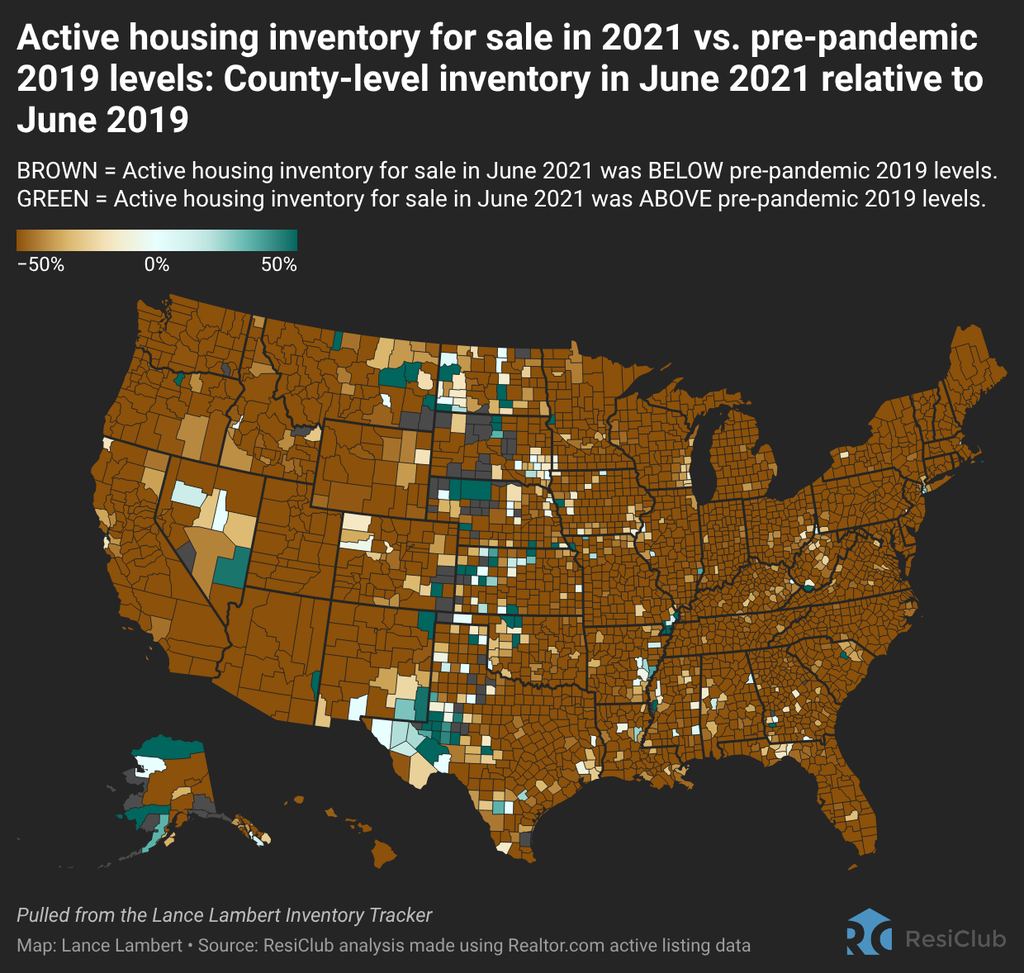
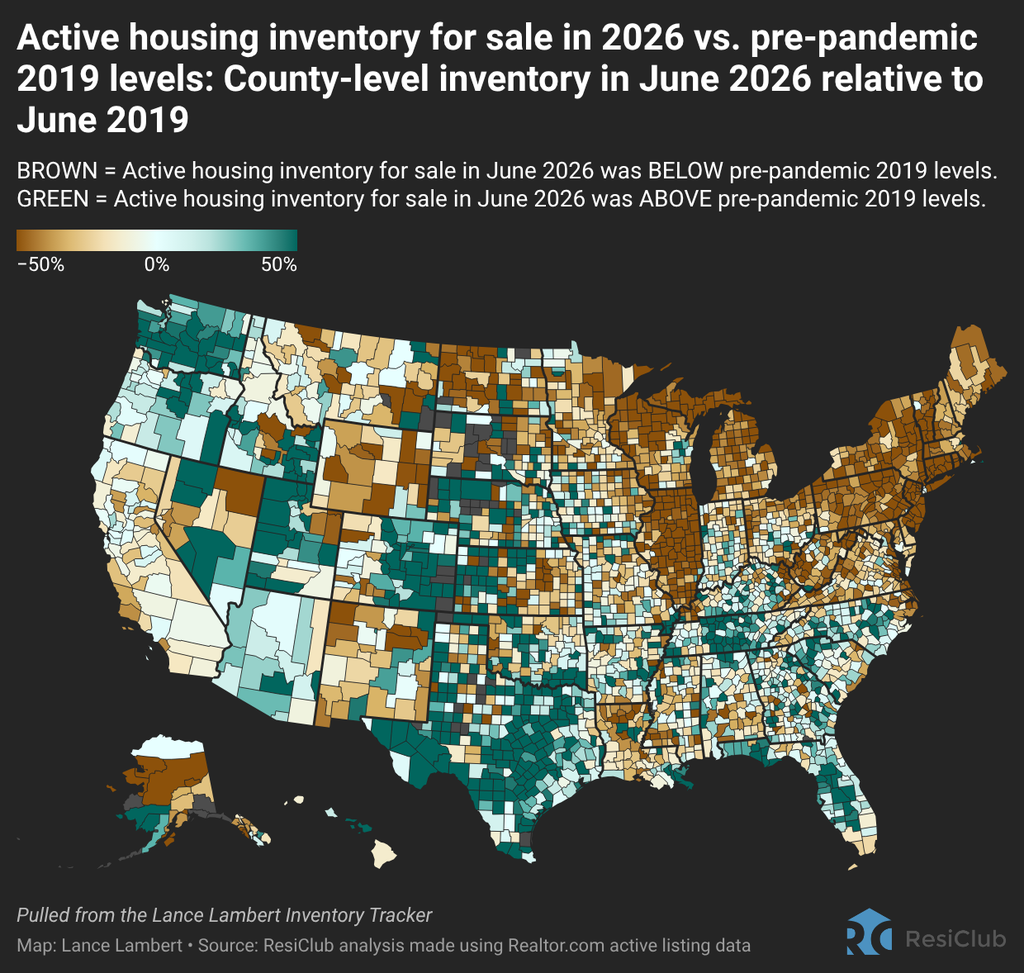
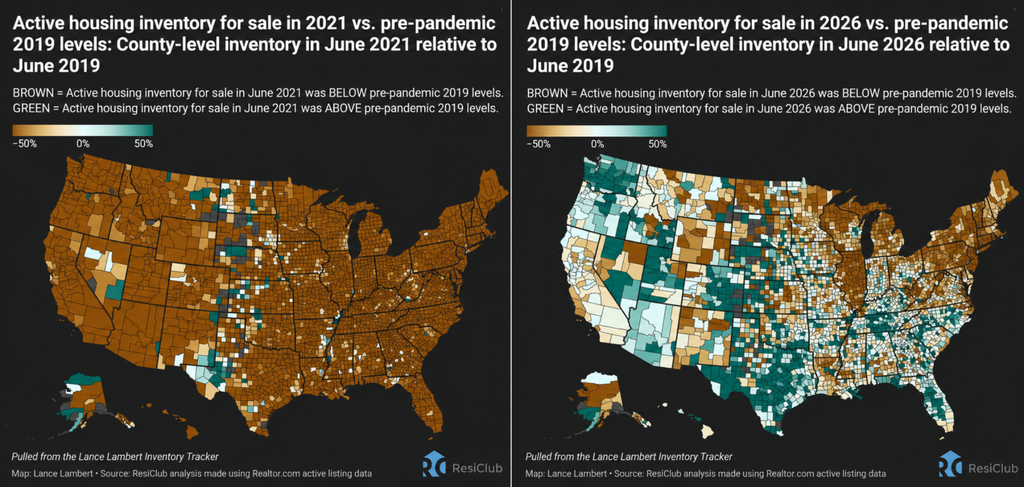
In the latter half of 2022, as demand cooled, active inventory levels surged, prompting a correction in these overheated markets. The once fervent pace of sales slowed, leading to a significant increase in available homes—an adjustment that has continued into 2023, with national active inventory witnessing a year-over-year increase for over two years.
Miami’s Position in the Shift
In the vibrant Miami real estate market, these national trends resonate deeply. The city has experienced its own unique dynamics, with demand remaining robust due to its appeal as a cultural and economic hub. However, as inventory levels rise nationally, Miami has also felt the tremors of the broader market corrections.
While areas across the Gulf Coast and Mountain West have seen substantial gains in active listings—leading to greater leverage for buyers—Miami’s inventory situation is slightly different. The city remains appealing due to its year-round climate, lifestyle offerings, and strong job market, which continue to attract both domestic and international buyers. As a result, the local market has retained some level of tightness, although it too is beginning to experience the effects of shifting demand.
Understanding Market Corrections
As the housing market normalizes, it’s essential to recognize how this affects buyers and sellers differently across regions. In areas where inventory has rebounded to pre-pandemic levels, home price growth has stagnated or even declined. Conversely, markets still operating with limited inventory are witnessing stronger price appreciation.
For Miami, the challenge lies in balancing its appeal against the backdrop of rising rates and shifting buyer expectations. The city’s housing stock, while still coveted, must now contend with a more discerning buyer base that is increasingly conscious of affordability and value.
New Construction and Its Impact
One of the most significant factors influencing the market is new construction. As builders ramp up efforts to meet demand, particularly in the Sunbelt regions, the impact on resale markets becomes evident. In Miami, as new developments emerge, they have the potential to reshape buyer preferences, leading them to consider new homes over existing properties, particularly when price adjustments are made to attract buyers.
This shift in focus can create a cooling effect on the resale market, as buyers weigh their options more carefully. In regions with higher levels of new construction, such as parts of Florida, the competitive landscape for existing homes may evolve, further influencing pricing strategies and buyer behavior.
Looking Ahead: The Future of the Housing Market
As we look to the future, the housing market is at a crossroads. Nationally, the inventory landscape is changing, with ongoing fluctuations that reflect the broader economic environment. While many markets are still recovering from the pandemic’s effects, Miami’s unique characteristics may allow it to navigate these changes more adeptly than others.
With national incomes rising and the potential for price stabilization, Miami could emerge as a resilient market where buyers find opportunity amidst challenges. For those looking to invest, understanding these dynamics will be key to making informed decisions in a landscape that continues to evolve.
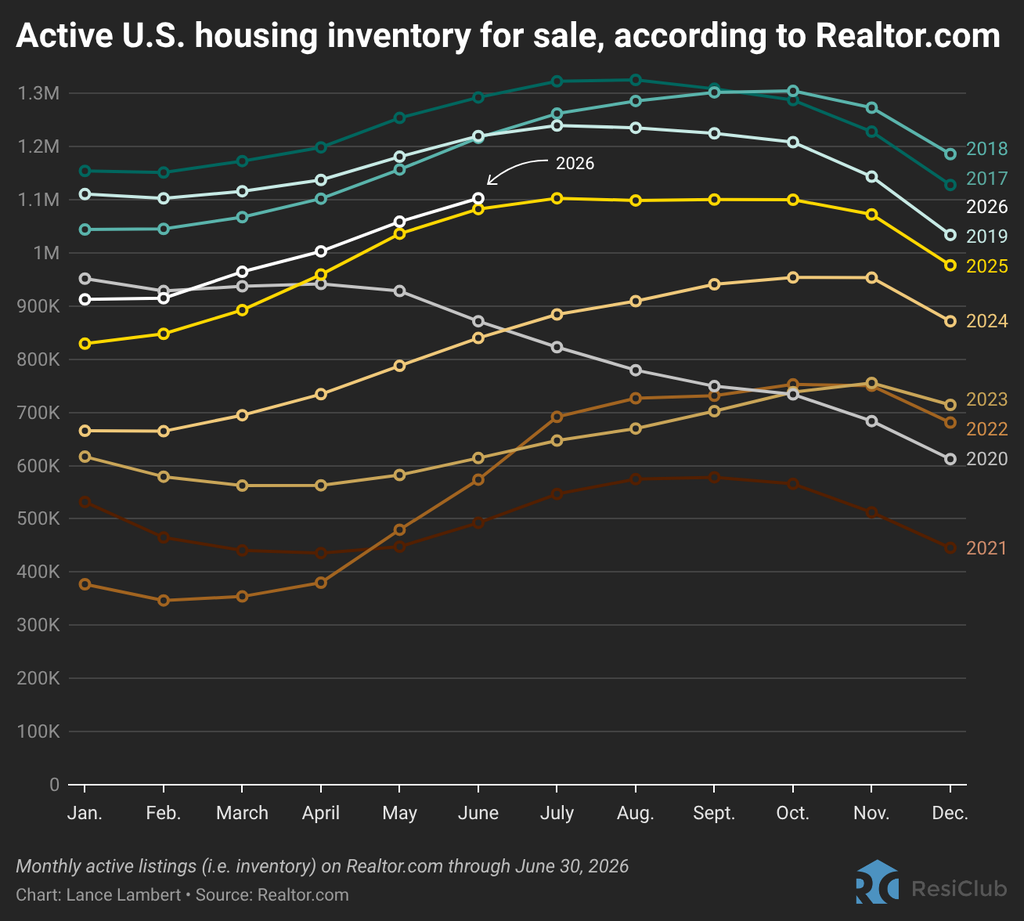
Editorial note: This article was created by A Bit Lavish Miami’s Magazine as an original editorial reinterpretation based on publicly available reporting. Original source: fastcompany.com. Read the original article here: https://www.fastcompany.com/91571937/housing-market-shift-explained-and-where-its-happening-the-fastest.
Images are used for editorial reference with source credit. If an image requires correction or removal, please contact A Bit Lavish.









Navigating the AI Frontier: Keeping Your Data Private in a Digital World
Explore innovative tools that safeguard your data while leveraging artificial intelligence, ensuring...
 3 Mins read

Bombay High Court Criticizes Drug Regulatory Body for Cipla License Revocation
The Bombay High Court's rebuke of India's drug regulatory authority highlights critical...
1 Mins read

A New Wave of Disruption: The Digital Camouflage Shirt and the Future of Adversarial Fashion
Explore how Simon Weckert's Digital Camouflage shirt challenges AI surveillance systems and...
2 Mins read



Navigating the AI Landscape: Understanding Proprietary, Open Weight, and Open Source Models
Explore the distinctions between proprietary, open weight, and open source AI models,...
3 Mins read
