
The Unseen Forces Beneath
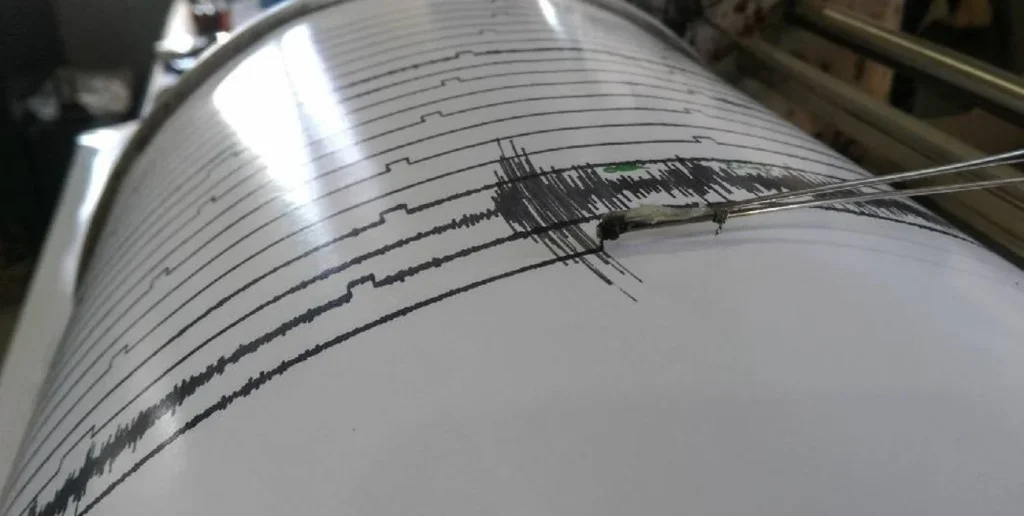
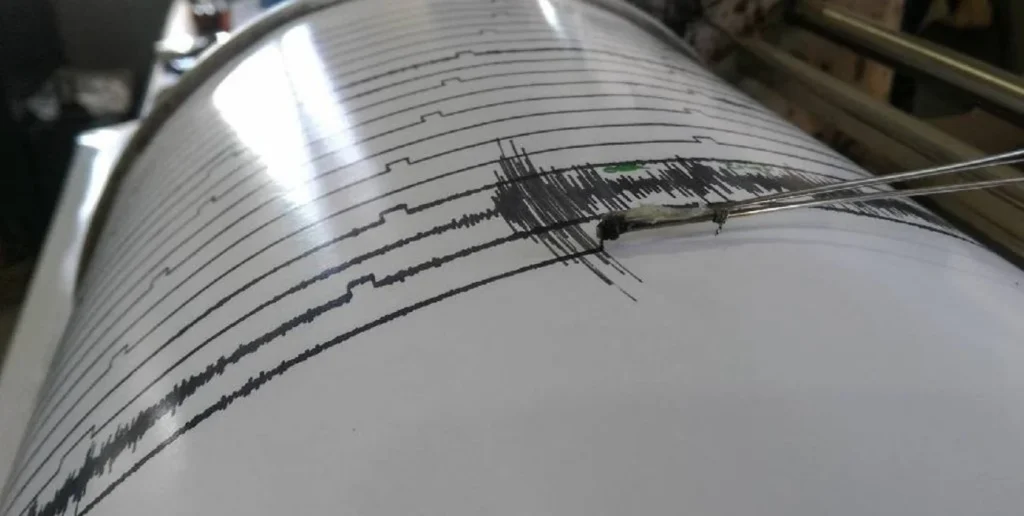
Venezuela, a country rich in cultural heritage and natural beauty, is also home to a complex geological reality. With a history of seismic events dating back to the 16th century, it is a land where the earth’s movements can often remain hidden until they unleash their fury. The Venezuelan landscape is crisscrossed by over a dozen geological faults, with three major systems that have been the subject of extensive study by experts. Understanding this seismic context is not just an academic exercise; it is crucial for the safety and preparedness of its inhabitants.
A Historical Perspective on Seismic Activity
The seismic narrative of Venezuela is well-documented, with more than 130 significant earthquakes recorded between 1530 and 2004. These events have left a lasting impact on various regions, shaping not only the physical landscape but also the communities that reside within it. Despite this rich history, there remains a notable lack of seismic awareness among the populace, a gap that experts like Miguel Ángel Morales, a seasoned geologist, find troubling. He emphasizes that the natural conditions of Venezuela make its seismicity an intrinsic aspect of life.
The Major Faults of Venezuela
Among the intricate web of faults that traverse the country, three stand out for their activity and historical significance:
- Boconó Fault: This is the most studied fault in Venezuela, spanning approximately 500 kilometers from the Colombian border, diagonally crossing the Andes, and terminating in the Gulf of Triste. It has been associated with numerous significant seismic events in the western regions of the country.
- San Sebastián Fault: Running parallel to the northern coastline and just north of Caracas, this fault is infamous for the San Narciso earthquake of 1900, which reached a magnitude of 7.7 and even generated a local tsunami.
- El Pilar Fault: Located in the eastern part of Venezuela, this fault extends from the Gulf of Cariaco across to the Atlantic Ocean, demonstrating the geological complexity of the region.
These faults demonstrate a dynamic interaction of tectonic forces, as Venezuela lies on the boundary between the South American and Caribbean plates. The constant friction between these tectonic giants results in accumulating tension, leading to periodic seismic events.
Challenges in Preparedness and Awareness
Recent seismic events have raised alarms about the state of emergency preparedness in Venezuela. The tragic outcomes from a double seismic occurrence have underscored the urgent need for a cultural shift towards earthquake readiness. Morris Tidball-Binz, a UN special rapporteur, has highlighted the responsibility of the Venezuelan government to ensure the safety of its citizens through stringent building codes and emergency protocols. The lack of adherence to these standards poses a significant risk, and the recent fatalities serve as a stark reminder of the potential consequences of negligence.
The Call for Education and Citizen Engagement
As earthquakes are an inevitable force of nature, education plays a pivotal role in mitigating their impact. Morales argues that a well-informed populace can demand and comply with seismic-resistant standards, identify safe zones, and master evacuation protocols. The historical records of seismic activity should serve as a guide to foster a culture of preparedness.
In a country like Venezuela, where seismic activity is a recurring reality, there are three essential approaches to risk management that must be developed:
- Proactive Measures: These involve prevention, regulation, and resource planning to ensure communities are equipped to handle seismic events.
- Emergency Response: A robust national response system is crucial for effective action in the aftermath of an earthquake.
- Financial Protection: Insurance systems or reserve funds can provide essential support for those affected by seismic disasters.
A Resilient Future
The path forward for Venezuela lies in embracing its geological realities and fostering a culture of awareness and preparedness. By learning from the past and investing in education, infrastructure, and emergency management, Venezuelans can transform their relationship with the earth beneath their feet. As they navigate their complex seismic landscape, the spirit of resilience will be their greatest ally.
Editorial note: This article was created by A Bit Lavish Miami’s Magazine as an original editorial reinterpretation based on publicly available reporting. Original source: efectococuyo.com. Read the original article here: https://efectococuyo.com/la-humanidad/venezuela-es-un-pais-sismico-atravesado-por-mas-de-una-docena-de-fallas-geologicas/.
Images are used for editorial reference with source credit. If an image requires correction or removal, please contact A Bit Lavish.




Navigating the Divide: Brazil’s Polarized Election Landscape
As Brazil approaches a critical election, the nation is divided between Lula...
 2 Mins read
A Day of Unity and Compassion: Germany’s National Celebration in La Guaira
On Germany's National Day, the embassy in Venezuela took a humanitarian approach,...
2 Mins read
Former GOP Congressman David Rivera Sentenced to 10 Years for Secret Lobbying Tied to Venezuela
David Rivera's sentencing marks a significant moment in the intersection of U.S....
1 Mins read
Former Congressman David Rivera Sentenced to 10 Years for Lobbying on Behalf of Nicolás Maduro
David Rivera's sentencing marks a significant legal precedent regarding foreign lobbying and...
2 Mins read