
Survivors Rescued from Sunken Passenger Boat in Indonesia
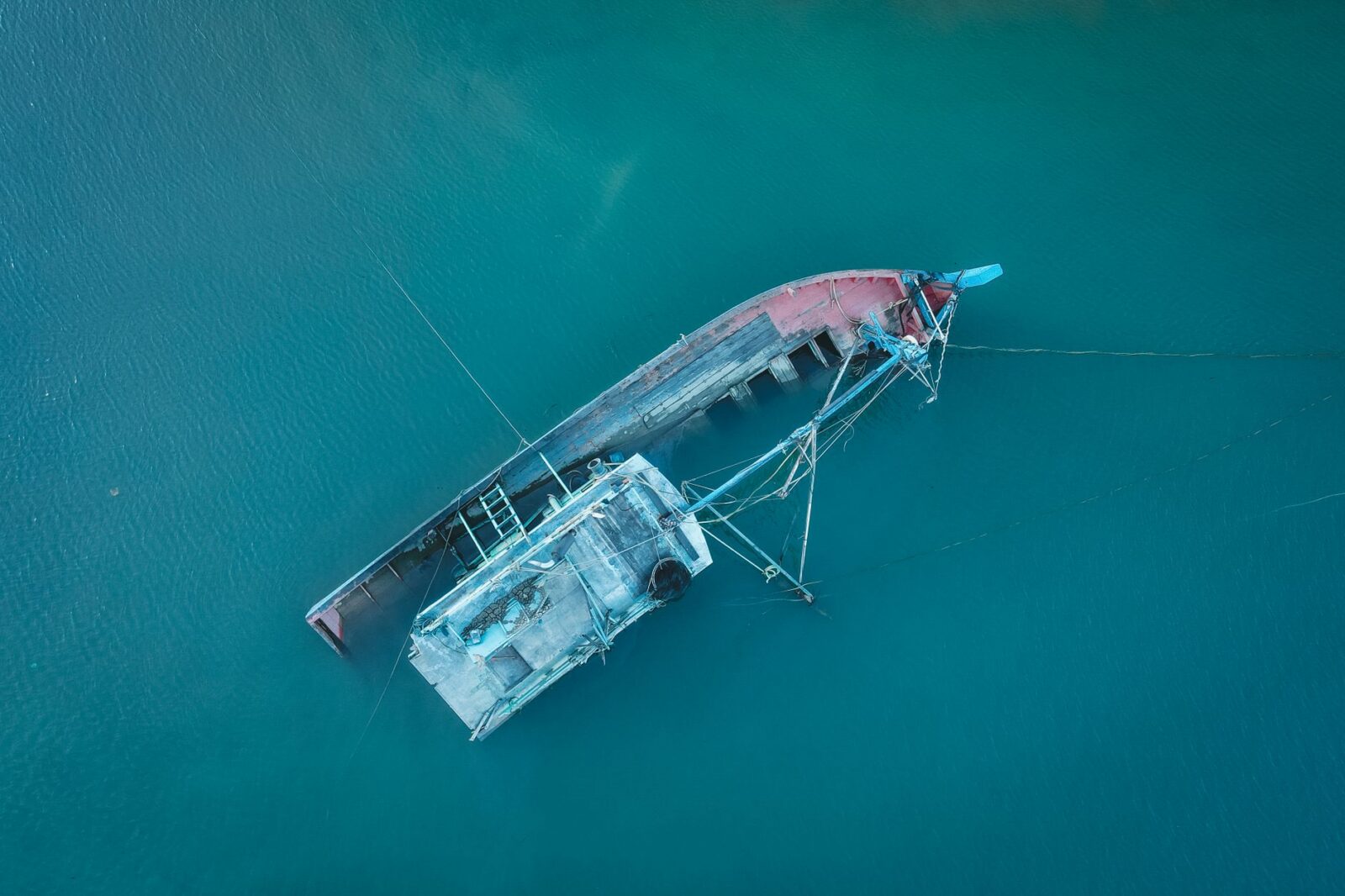
On July 20, 2026, rescuers in Indonesia successfully located and retrieved a mother and son who survived the sinking of a passenger boat off the coast of Java. The incident occurred in the early hours, prompting an immediate response from local authorities and search and rescue teams. The two survivors were reported to be in stable condition following their rescue, which has provided a glimmer of hope amidst the tragedy surrounding the vessel’s sinking.
The boat, which was carrying an estimated 50 passengers, sank under unclear circumstances, leading to fears of significant loss of life. The Indonesian National Search and Rescue Agency (BASARNAS) has mobilized resources to locate additional survivors and recover the remains of those who may not have made it. This incident brings to light the critical issues surrounding maritime safety in Indonesia, a nation with a vast archipelago and a history of maritime accidents.
This development is significant not only for Indonesia but also for the global maritime community. As one of the largest archipelagic nations, Indonesia’s struggles with maritime safety regulations and enforcement have implications for international shipping routes and protocols. The incident raises urgent questions regarding the effectiveness of existing safety measures, the oversight of passenger vessels, and the potential need for stricter regulatory frameworks to prevent future tragedies.
In the coming days, it is anticipated that the Indonesian government will conduct a thorough investigation into the causes of the sinking. This may lead to potential reforms in maritime law and enforcement practices, as well as increased scrutiny from international bodies concerned with maritime safety standards. The outcomes of this incident could have lasting effects on how Indonesia and other nations address maritime safety, emphasizing the need for accountability and improved infrastructure in the region.
Source: Audacy










Fox News Commentator Guy Benson Announces Birth of Daughter
The birth of Guy Benson's daughter highlights the personal milestones of public...
 1 Mins read

South Carolina Congressmen Declare Senate Candidacies as Darline Graham Joins Race
The emergence of new Senate contenders in South Carolina signals shifting political...
1 Mins read

FBI Director Kash Patel Undertakes Significant Diplomatic Mission to Russia
Kash Patel's visit to Russia underscores critical U.S.-Russia relations amidst ongoing geopolitical...
1 Mins read



FBI Director Kash Patel Undertakes Sensitive Diplomatic Mission to Russia
This unprecedented trip underscores the complexities of U.S.-Russia relations amid heightened global...
1 Mins read

Leave a comment