
Unfulfilled Expectations: South Florida’s Hospitality Industry and the FIFA World Cup

The Anticipation of a Global Event
As the world turned its eyes to the FIFA World Cup, South Florida prepared for an influx of visitors and a boost to its hospitality sector. With seven thrilling matches held at the iconic Hard Rock Stadium from June 15 to July 18, expectations ran high that this international sporting event would rejuvenate the region’s economy. However, the reality was a mixed bag, leaving many in the industry grappling with less-than-expected outcomes.
Hotel Industry Insights
For hotel operators, the World Cup represented a chance to capitalize on increased demand. On match days, room rates soared, and while this led to higher revenue on paper, occupancy rates exhibited a troubling trend—many properties faced declines in guest numbers. Additionally, the duration of stays was notably shorter, suggesting that while some visitors were drawn in by the matches, they were reluctant to extend their visits in a traditionally slower season.
The Dining Experience
Similarly, restaurants across the region embraced the opportunity to engage with football fans, yet results were uneven. Success hinged on the ability of operators to craft compelling marketing strategies and create vibrant watch party environments. Many establishments found that appealing to local patrons who were eager to celebrate the event alongside tourists was more fruitful than solely relying on the influx of visitors.

Marketing and Community Engagement
Restaurants that thrived were often those that implemented aggressive marketing campaigns, utilizing social media and partnerships with local influencers to attract crowds. Special menus, themed events, and community engagement proved to be valuable tactics in capturing the spirit of the World Cup and driving foot traffic. The ability to pivot quickly and respond to the needs of both locals and tourists alike made a significant difference in performance.
Lessons for Future Events
As the dust settles from the World Cup, the South Florida hospitality industry has a wealth of insights to draw from. The experience underscores the importance of strategic planning and adaptability when faced with large-scale events. While the FIFA World Cup did not deliver the anticipated economic surge, it highlighted the necessity for operators to cultivate a local customer base and innovate in their approach to marketing.
The Road Ahead
Looking forward, the lessons learned from this experience may shape how South Florida prepares for future international events. With a growing focus on enhancing the visitor experience and engaging the local community, the region’s hospitality sector can strive to transform challenges into opportunities. The World Cup may have fallen short of expectations, but it also opened the door to new strategies and partnerships that could ultimately lead to greater success.
Editorial note: This article was created by A Bit Lavish Miami’s Magazine as an original editorial reinterpretation based on publicly available reporting. Original source: therealdeal.com. Read the original article here: https://therealdeal.com/miami/2026/07/21/world-cup-in-miami-had-minimal-impact-on-hotels-restaurants/.
Images are used for editorial reference with source credit. If an image requires correction or removal, please contact A Bit Lavish.










The Intersection of Real Estate and Justice: A Troubling Case in Coral Springs
Exploring the implications of a self-defense claim in a tragic real estate...
 2 Mins read

Transformative Ventures: The Resurgence of Fort Lauderdale’s Hotel Maren
Explore the remarkable transformation and sale of the Hotel Maren in Fort...
2 Mins read

Baptist Health Expands Footprint with Strategic Acquisition in Coconut Creek
Baptist Health South Florida's recent purchase of a Kohl's property in Coconut...
2 Mins read
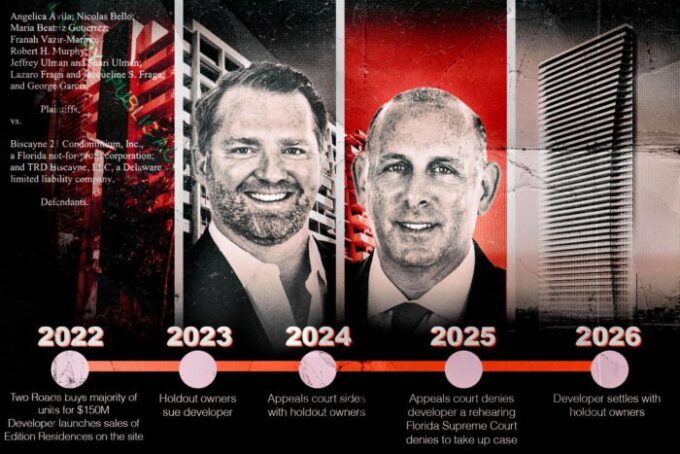


Navigating the Waters of Miami Real Estate: The Biscayne 21 Buyout Saga
Explore the intricate journey of Two Roads Development's condo buyout at Biscayne...
2 Mins read
