

The Global Fire Paradox
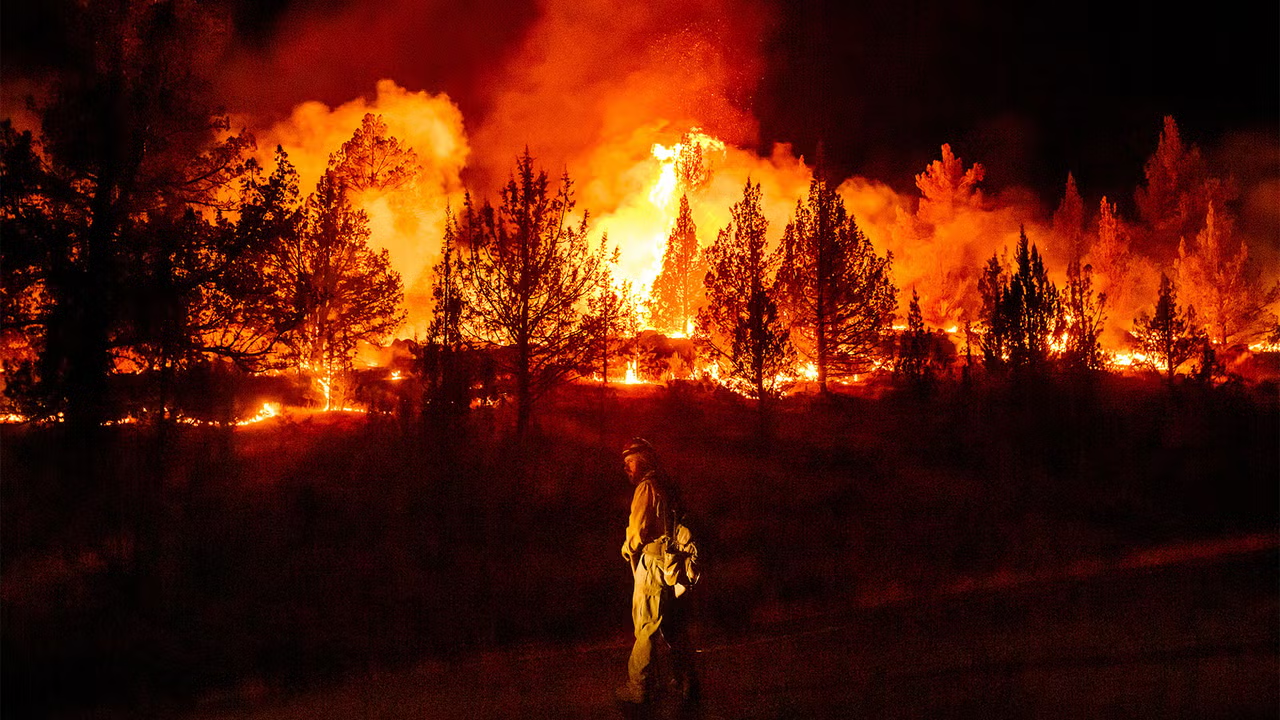
This summer, the world has witnessed a dramatic uptick in the ferocity of wildfires, particularly across Europe and North America. Yet, in a striking contradiction, global statistics indicate a decline in overall wildfire activity. This perplexing phenomenon raises critical questions about the interplay between human actions, climate change, and environmental management.
Regional Disparities in Fire Activity
While vast landscapes in Spain and Canada have succumbed to unprecedented wildfires, resulting in hazardous air quality and significant ecological damage, regions like Africa and Asia are experiencing a notable decrease in fire incidents. Fire scientist Mike Flannigan emphasizes this paradox, noting how localized increases in wildfire severity coexist with global reductions in fire emissions.
Statistics from the European climate center Copernicus reveal that carbon emissions from fires are at their lowest levels since satellite monitoring began, largely due to improved agricultural practices and fire management strategies in Africa and Asia.
Human Influence on Fire Trends
A deeper dive into the factors influencing these trends shows that human activity plays a pivotal role. In Africa, traditional practices of controlled burning have given way to urbanization and changing land use, leading to a significant drop in fire incidents. As populations shift, the frequency and intensity of fires in savanna regions are being carefully managed.
Conversely, the wildfire crises in North America and Europe can be traced back to the compounded effects of climate change and human negligence. The increasing temperatures and altered weather patterns are creating a perfect storm for wildfires to flourish, with experts warning that we have effectively lost our ability to suppress these fires.
The Climate Change Catalyst
Climate change is undeniably a driving force behind the escalating intensity of wildfires in densely populated regions. The phenomenon of longer, hotter seasons coupled with drier atmospheric conditions has created ideal conditions for wildfires to ignite and spread rapidly. The implications are severe, as these fires not only threaten natural landscapes but also valuable properties and communities.
As fire scientist Jennifer Balch articulates, the need for effective planning and adaptation strategies becomes increasingly urgent. With climate change projecting a future where wildfires are more frequent and severe, proactive measures such as prescribed burns and forest management must be prioritized.
El Niño and Its Implications
The looming presence of a robust El Niño adds another layer of complexity to the wildfire narrative. This weather pattern is known to exacerbate fire conditions in tropical regions while producing mixed effects in North America, where increased rainfall can mitigate fire risks. However, the potential for heightened fire activity in tropical forests, particularly in regions like the Amazon, poses a significant concern for global stakeholders.
Experts predict that while El Niño may lead to more moisture in certain areas, it can also promote grass growth in arid regions, which may subsequently fuel grassfires when conditions dry out.
The Path Forward: Mitigation and Management
The ongoing wildfire crises underscore the need for comprehensive strategies that integrate climate resilience and fire management. As regions grapple with the inevitability of wildfires, the focus must shift toward sustainable practices that account for changing climatic conditions.
In Miami, where the impact of climate change is felt acutely, local leaders and businesses must engage in dialogues about adaptive strategies. Whether through enhancing building codes to withstand fire risks or investing in community education about fire prevention, the path forward requires collaboration and innovative thinking.
Conclusion: A Call to Action
As we confront the dual realities of increasing wildfire severity and global emission declines, it is essential to recognize that the solutions lie in our hands. By fostering an environment that prioritizes sustainability and proactive fire management, we can navigate the challenges posed by climate change and safeguard our communities for generations to come.
Editorial note: This article was created by A Bit Lavish Miami’s Magazine as an original editorial reinterpretation based on publicly available reporting. Original source: fastcompany.com. Read the original article here: https://www.fastcompany.com/91581633/wildfires-more-extreme-europe-north-america-decreasing-globally-heres-why.
Images are used for editorial reference with source credit. If an image requires correction or removal, please contact A Bit Lavish.









Revving Up the Capital: The Freedom 250 Grand Prix in Washington, D.C.
Experience the thrilling Freedom 250 Grand Prix in Washington, D.C., an event...
 2 Mins read

Navigating the New Frontier: Young Writers in the Age of AI
Explore the challenges faced by young writers in Miami as they grapple...
2 Mins read

The Unseen Burden: Navigating Invisible Labor in Leadership
Exploring the hidden challenges faced by women in leadership roles, this article...
2 Mins read



Funding Compassion: The Unfolding Narrative of Lindsay Clancy’s GoFundMe Campaign
Explore the intricacies of the GoFundMe campaign supporting Lindsay Clancy's family amidst...
2 Mins read
