

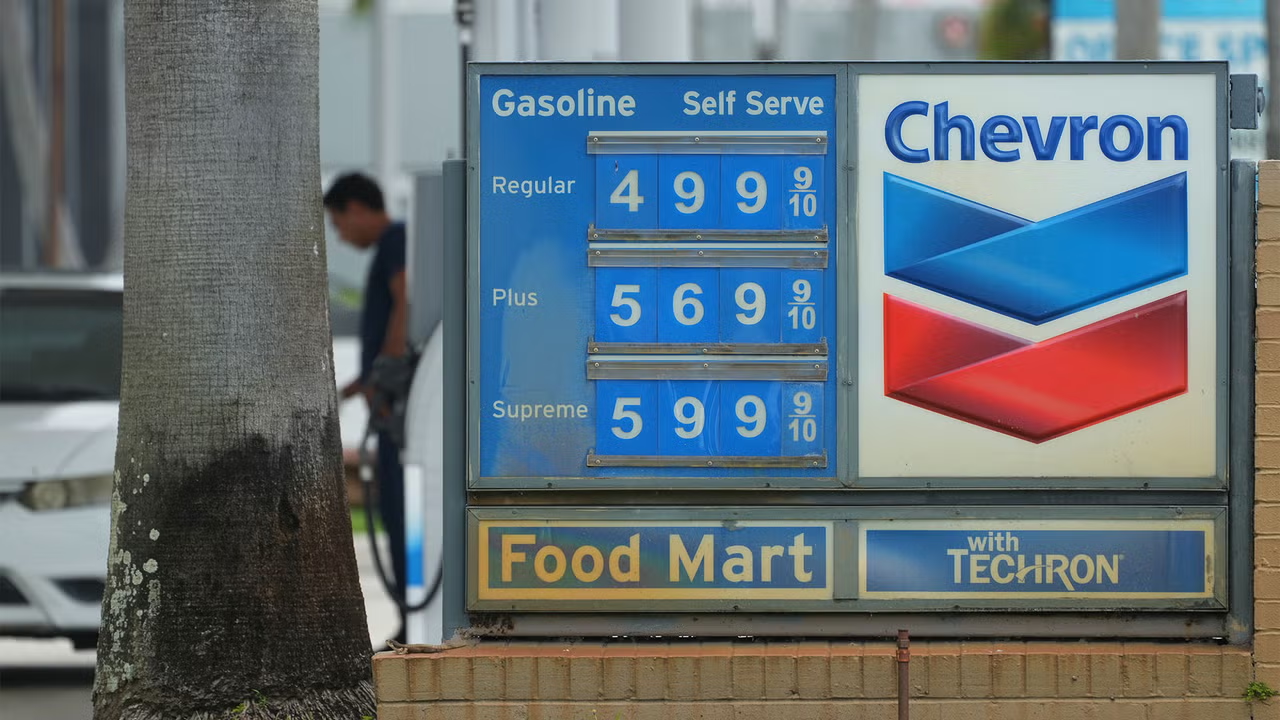
Profits in a Crisis
In an era marked by geopolitical upheaval, America’s oil behemoths have discovered a profitable niche amidst chaos. As the conflict between Iran and the U.S. escalates, the repercussions on global oil supply have been profound. The Strait of Hormuz, a crucial artery that previously facilitated a significant fraction of the world’s oil, now faces disruptions that have driven prices to unprecedented heights.
Surging Revenues Amidst Supply Constraints
During the tumultuous months of March through June, oil prices soared dramatically, with Brent crude hitting peaks above $126 per barrel. This spike has translated into staggering profits for companies like Exxon Mobil and Chevron. Exxon reported a remarkable doubling of its quarterly profits—$14.53 billion—while Chevron’s profits surged nearly four-fold to $12.07 billion. Their ability to capitalize on these rising prices highlights a striking dichotomy: while corporate profits soar, consumers around the globe grapple with escalating fuel costs and shortages.
Market Dynamics and the Fuel Price Dilemma
The mechanics of the oil market are complex, driven by supply and demand dynamics rather than direct pricing strategies from companies. However, the current crisis has significantly influenced these dynamics. With the average cost of a gallon of gasoline surpassing $4, many households—particularly those reliant on transportation for employment—are feeling the pinch. Lawmakers are taking notice, with proposals emerging to levy windfall taxes on these companies to redistribute profits back to consumers suffering from inflated prices.
The Refinery Advantage
Exxon and Chevron’s robust position in the market is further strengthened by their ownership of refineries. These facilities convert crude oil into essential products like gasoline and jet fuel. The current environment has allowed these companies to enjoy historically high profit margins, known as “crack spreads.” As refineries operate at near-full capacity, they are poised to capitalize on the shortage of crude oil faced by many international competitors, particularly those in the Middle East and Asia.
Geopolitical Winners and Losers
Not all players in the oil market are enjoying the same fortunes. While U.S.-based producers like Exxon and Chevron thrive through their extensive operations and strategic advantages, companies in conflict-affected regions are struggling significantly. The ability to transport and sell oil and gas has been severely hampered, leading to decreased revenues and increased operational costs. This disparity underscores the uneven impact of global crises on the oil industry, revealing a landscape where the strong thrive, and the weak falter.
Future Implications and Consumer Costs
The ramifications of these market shifts extend beyond the oil industry. As consumers face rising energy costs, the inflationary pressures permeate through the economy, affecting the price of goods and services across the board. The embedded energy costs in everyday products become a significant concern, prompting discussions about sustainability and the future of energy consumption.
Conclusion: A Turning Point for Oil and Consumers
As we navigate these turbulent times, the story of Exxon, Chevron, and their counterparts serves as a reminder of the intricate relationship between global conflict and market dynamics. For consumers in Miami and beyond, the implications of rising fuel prices and corporate profits will shape the economic landscape for years to come. The call for regulatory measures, such as windfall taxes, reflects a growing desire for equitable solutions amid an era of unprecedented profit for a select few.
Editorial note: This article was created by A Bit Lavish Miami’s Magazine as an original editorial reinterpretation based on publicly available reporting. Original source: fastcompany.com. Read the original article here: https://www.fastcompany.com/91583262/exxon-chevron-having-very-good-crisis-reaping-massive-profits-during-iran-war.
Images are used for editorial reference with source credit. If an image requires correction or removal, please contact A Bit Lavish.









Navigating the New Landscape of Home Affordability: A Deep Dive into Market Trends
Explore the evolving dynamics of home affordability in the U.S. housing market...
 2 Mins read

Rethinking Economic Narratives: The End of the K-Shaped Economy?
Treasury Secretary Scott Bessent declares the end of the K-shaped economy, but...
2 Mins read
Fantasy Baseball Trade Deadline Spurs Strategic Shifts in Bullpen Dynamics
The August 2026 trade deadline reshapes bullpen roles, impacting team strategies and...
1 Mins read



Jefry Yan Celebrations Mark a New Era in Major League Baseball
The global sports community recognizes Jefry Yan's achievements, highlighting the evolving landscape...
1 Mins read

Leave a comment