
Women’s Flag Football Moves Closer to NCAA Championship Status
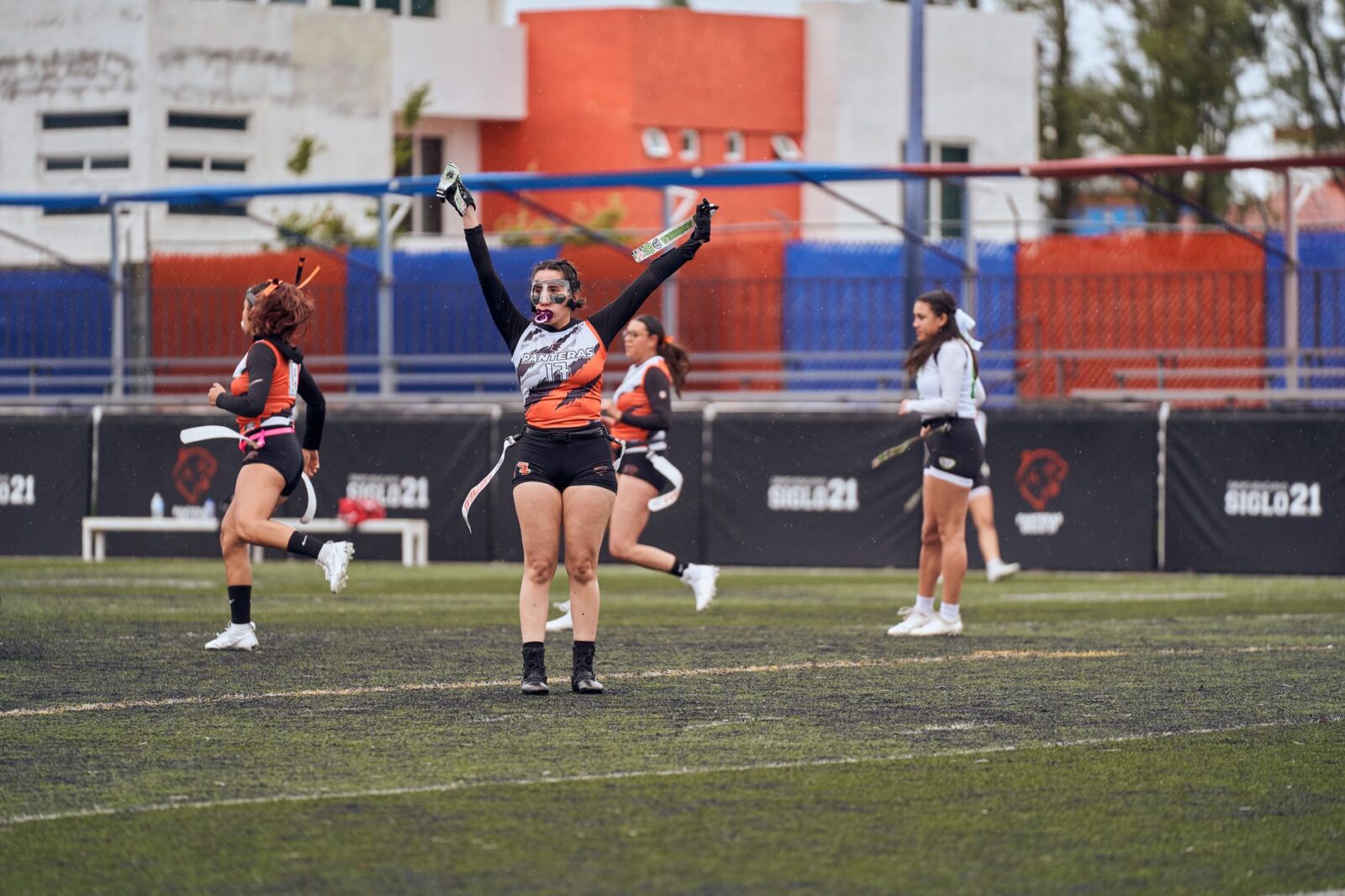
On August 4, 2026, the National Collegiate Athletic Association (NCAA) took a pivotal step toward recognizing women’s flag football as an official championship sport. This announcement, made during the NCAA’s annual convention, signals a transformative moment for female athletes across the United States, as it opens the door for enhanced visibility and investment in women’s sports.
The decision is rooted in a growing recognition of the importance of gender equity within collegiate athletics. Key figures involved in this initiative include NCAA President Charlie Baker, who has championed the expansion of women’s sports at the collegiate level, and advocates from various universities who have pushed for the inclusion of flag football. This move comes in response to increasing participation rates in women’s flag football programs, which have surged in recent years, reflecting a broader cultural shift towards inclusivity in athletics.
This development matters significantly on multiple fronts. Nationally, it represents a critical advancement in the fight for gender equality in sports, a topic that has garnered increased attention in recent years. Regionally, it enhances the competitive landscape for female athletes, providing more opportunities for scholarships and professional pathways. Globally, this initiative aligns with ongoing efforts to promote women’s sports internationally, setting a precedent that may inspire similar movements in other countries.
Looking ahead, the NCAA’s decision could lead to a ripple effect, encouraging more schools to develop women’s flag football programs and increasing investment in women’s athletics overall. As universities adapt to this new framework, we may see a surge in support for women’s sports, potentially influencing policy changes and funding allocations in the years to come. The NCAA’s recognition of women’s flag football is not just a victory for athletes today; it is a foundational moment for the future of women’s sports.
Source: Temple Daily Telegram










UN Calls for Immediate Regulations on Autonomous Weapons
The UN urges global leaders to establish regulations on autonomous weapons amid...
 1 Mins read

UN and Red Cross Urge Immediate Legislation Against Autonomous Weapons
Urgent calls for regulation of lethal autonomous weapons highlight global concerns over...
1 Mins read

India Responds to UN Rights Panel’s Criticism with Strong Rebuttal
India's firm rebuttal to UN allegations underscores its stance on sovereignty and...
1 Mins read



Slovenia Challenges EU’s Stance on Israel’s West Bank E1 Settlement Plan
Slovenia's position raises significant questions about EU unity on Middle Eastern policies...
1 Mins read
