

Voices from the Shadows
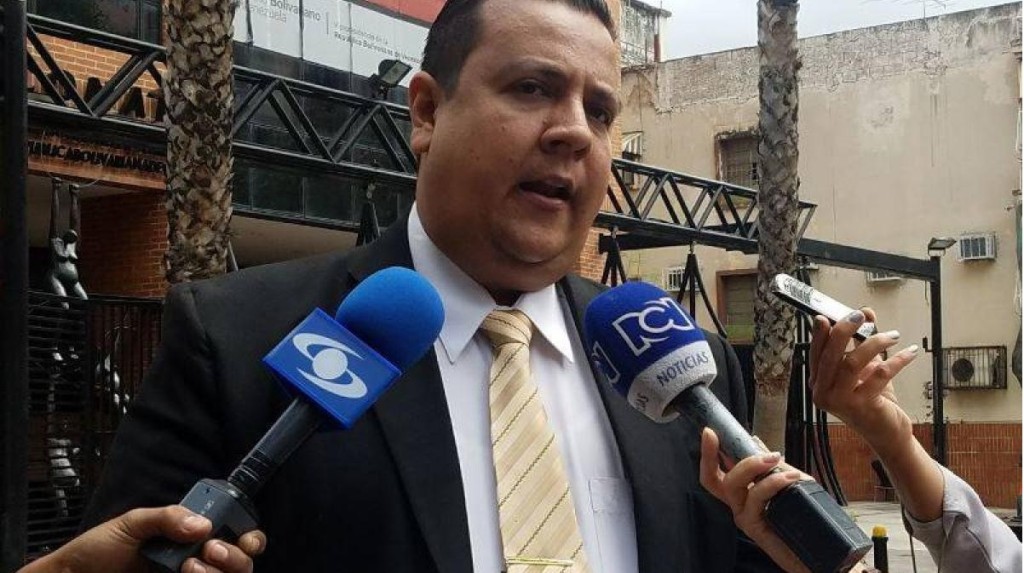
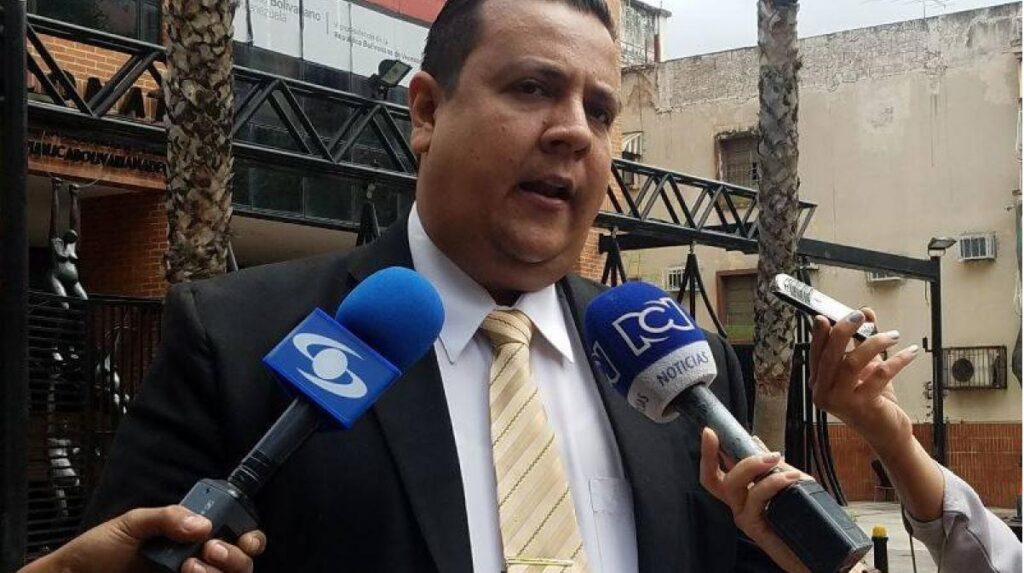
In a poignant display of courage and advocacy, Javier Tarazona, director of the NGO Fundaredes and a prominent human rights activist, has taken a stand for those who have been silenced in Venezuela’s political turmoil. On August 25, 2023, from the precincts of the Palace of Justice in Caracas, Tarazona proposed a groundbreaking initiative aimed at affording justice and dignity to the thousands of political prisoners who continue to suffer under the weight of oppressive laws.
A New Dawn for Amnesty
Tarazona’s call for a new amnesty law underscores the inadequacies of the current legislation, which he deems exclusionary. His experience—having spent over four years in the notorious El Helicoide prison—fuels his passion for this cause. Tarazona was initially denied the benefits of an amnesty law passed during his detention, a stark reminder of the systemic failures that persist in Venezuela’s justice system.
Reparations as a Path to Recovery
Central to Tarazona’s proposal is the establishment of a national reparations fund, designed to mitigate the hardships faced by political prisoners and their families. This fund would address the multitude of challenges encountered during their detention, including the burdensome logistics of attending court hearings and the emotional toll on their loved ones. By prioritizing reparative measures, Tarazona aims to restore dignity to individuals who have been unjustly persecuted.
Support from the Oppositional Front
The initiative has garnered support from various quarters, including former opposition deputy Williams Dávila, who also experienced detention and later received amnesty. Dávila articulates a moral and legal imperative for the state to rectify the damage inflicted upon these individuals, emphasizing the need for restoration of their life projects and personal dignity. This collective voice amplifies the urgency of implementing such reforms in Venezuela’s socio-political landscape.
The Wider Implications
The ramifications of Tarazona’s proposals extend beyond the immediate context of Venezuela. As Miami hosts a significant Venezuelan diaspora, the plight of political prisoners resonates deeply within the community. This dialogue on justice and reparations is not merely a distant concern; it strikes at the heart of the expatriate experience, where discussions about home and dignity unfold in everyday conversations.
Charting a Course for Change
Tarazona’s vision isn’t just about legal reforms; it embodies a broader aspiration for human rights in Venezuela. As the nation grapples with its identity and future, the quest for justice becomes a rallying point for both those inside the country and the global community. The establishment of a comprehensive amnesty law and reparations fund could serve as a pivotal step towards healing a fractured society, offering a glimmer of hope for those who have endured unimaginable struggles.
As we reflect on Tarazona’s powerful message, it is clear that the journey towards justice is fraught with challenges, yet it remains a necessary endeavor. The plight of political prisoners in Venezuela calls for not only acknowledgment but action, urging all of us to engage in the dialogue that fosters change and champions the cause of human rights.
Editorial note: This article was created by A Bit Lavish Miami’s Magazine as an original editorial reinterpretation based on publicly available reporting. Original source: efectococuyo.com. Read the original article here: https://efectococuyo.com/la-humanidad/tarazona-propone-nueva-ley-de-amnistia/.
Images are used for editorial reference with source credit. If an image requires correction or removal, please contact A Bit Lavish.







Venezuelan Man Shot by ICE in Austin Raises Serious Public Safety Concerns
A Venezuelan man was shot by ICE in Austin, Texas, leading to...
 2 Mins read

A Life Changed in an Instant: The Harrowing Tale of Wilber Garcés
Explore the gripping account of Wilber Garcés, a Venezuelan immigrant whose life...
3 Mins read

Protests Erupt in Venezuela Following ICE Shooting Incident in Texas
Calls for an independent investigation intensify after a Venezuelan DoorDash driver was...
2 Mins read


Shooting of Venezuelan Man by ICE in Austin Raises Concerns Over Immigration Policies
The shooting of a Venezuelan man by ICE in Austin has sparked...
2 Mins read
