
Trump Defends Decision to Start War Against Iran in UN Address
NEW YORK — September 22, 2026
In a significant geopolitical development, former President Donald Trump defended his controversial decision to initiate military action against Iran during his address to the United Nations today. This statement comes amid heightened tensions in the Middle East and has sparked widespread debate regarding U.S. foreign policy and its implications for global security.
During his speech, Trump asserted that the military action was necessary to protect U.S. interests and allies in the region, citing Iran’s alleged support for terrorism and its nuclear ambitions as primary justifications. He emphasized that the decision was made after extensive consultations with military and intelligence officials, framing it as a proactive measure to prevent further destabilization in the region.
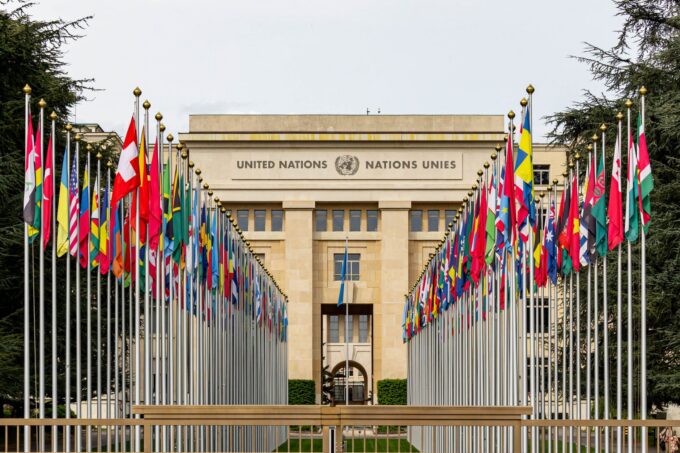
The address took place at the UN General Assembly in New York City, where world leaders gathered to discuss pressing global issues. Trump’s remarks were met with mixed reactions, with some applauding his assertive stance while others condemned it as reckless and potentially escalating an already volatile situation.
The decision to engage militarily against Iran has been triggered by a series of incidents, including attacks on U.S. military installations in the region and the alleged downing of an American drone by Iranian forces. These developments have raised alarms among U.S. officials and prompted calls for a stronger response to what they characterize as Iranian aggression.
Key stakeholders in this situation include the U.S. Department of Defense, which has been actively involved in planning the military response, and various international allies who are closely monitoring the situation. Financial markets have also reacted, with oil prices spiking following the announcement, reflecting concerns over potential disruptions in oil supply from the region.
This story is receiving attention now due to the potential for significant geopolitical ramifications. The U.S. military’s involvement in Iran could lead to broader conflict in the Middle East, impacting global oil markets, international relations, and security dynamics. Additionally, Trump’s remarks come at a time when his administration is facing scrutiny over its foreign policy decisions, making this a pivotal moment in his political narrative.
Locally, the implications of this military action could affect U.S. military bases and personnel stationed in the region, as well as diplomatic relations with other nations. Nationally, it raises questions about Congress’s role in authorizing military action and the potential for public backlash against prolonged military engagement.
Looking ahead, the situation remains fluid. Analysts predict that the U.S. may face increased pressure from both domestic and international fronts to justify its military actions. There could be calls for congressional hearings to assess the legality and strategic rationale behind the decision. Furthermore, the potential for retaliatory actions from Iran could escalate tensions, leading to a cycle of conflict that may require further military engagement or diplomatic efforts to de-escalate.
Source: KCCI







Trump’s UN Speech: A Stark Warning to Iran
In a provocative address at the United Nations, former President Donald Trump...
 2 Mins read
Trump Addresses U.N. General Assembly Amid Global Tensions
Former President Donald Trump delivers a pivotal address at the U.N. General...
2 Mins read
António Guterres Warns of Widening Global Fault Lines at UN General Assembly
UN Secretary-General António Guterres highlights escalating geopolitical tensions during his address at...
1 Mins read


North Korea Unveils New Hypersonic Weapons System Amid Rising Tensions
The announcement of a new hypersonic weapons system by North Korea marks...
2 Mins read

Leave a comment