

Revisiting Amnistía: A Push for Inclusivity
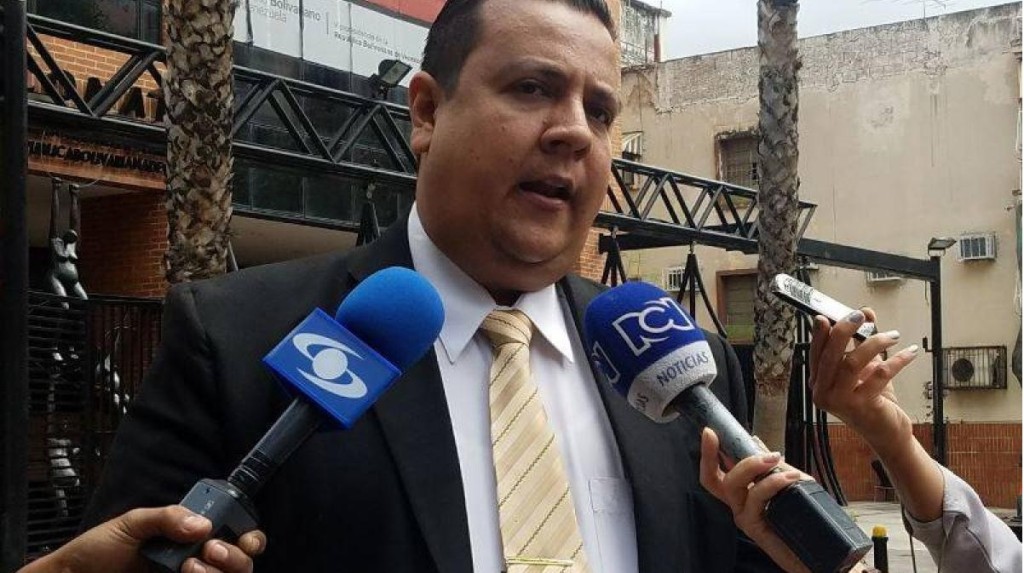
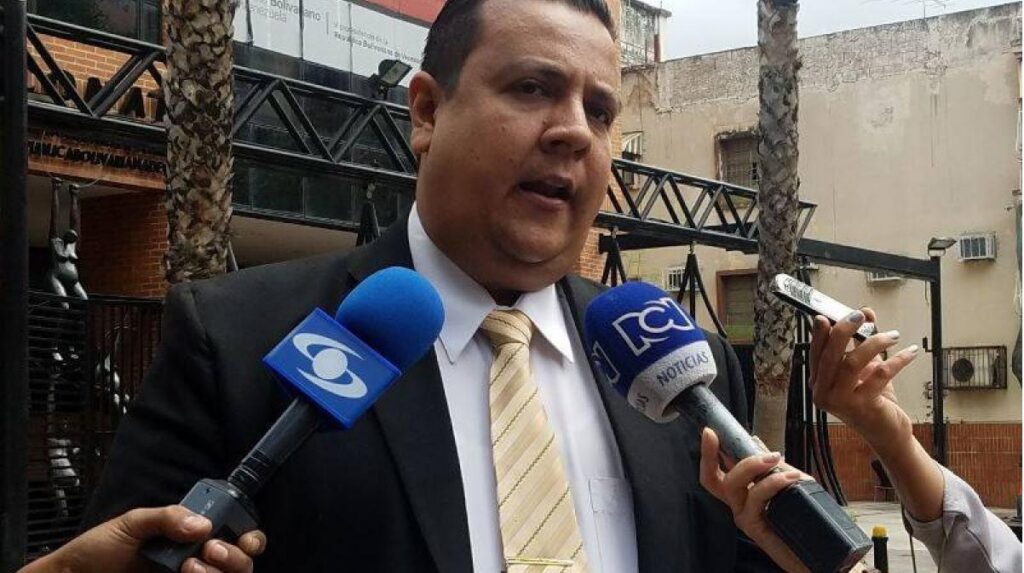
In a poignant demonstration of resilience and advocacy, Javier Tarazona, the director of the NGO Fundaredes and a prominent human rights activist, has called for a significant overhaul of Venezuela’s existing amnesty legislation. Speaking from the bustling vicinity of the Palacio de Justicia in Caracas, Tarazona articulated a vision for a new law that would ensure the comprehensive liberation of all political prisoners across the nation. His proposal emerges against the backdrop of a judicial system that many believe has failed to address the systemic issues of political persecution.
The Personal and Collective Struggle
Having endured a staggering four years and seven months of detention in El Helicoide, Tarazona has firsthand experience of the injustices faced by those deemed political dissidents. Released on conditional terms earlier this year, he reflects on his own struggles and the broader narrative of thousands of individuals still suffering under the weight of political repression. Tarazona contends that the existing law, enacted in February 2026, is fundamentally exclusionary, leaving many victims without the assistance they critically need.
A Fund for Healing
In tandem with the proposed amnesty law, Tarazona has outlined the creation of a national reparations fund aimed at addressing the multifaceted repercussions of political imprisonment. This fund would serve as a lifeline for affected individuals and their families, providing necessary resources to navigate the challenges that arise from their ordeals. These challenges include the burdensome logistics of court appearances and prison visits, which can be both emotionally and financially taxing.
Support from Former Detainees
Tarazona’s initiative has garnered support from former opposition deputy Williams Dávila, who himself has faced imprisonment and subsequently received amnesty. Dávila underscores the moral and legal obligation of the state to rectify the wrongs inflicted upon political prisoners and to restore their dignity and life projects. This coalition of voices amplifies the urgency of the cause, advocating for legislative reforms that would pave the way for justice and healing.
The Road Ahead: A National Imperative
The ongoing political climate in Venezuela presents a complex tapestry of discord and resilience, where the call for justice resonates louder than ever. Tarazona’s proposals not only aim to liberate those unjustly imprisoned but also seek to acknowledge the profound impact of political persecution on families and communities. The dialogue surrounding these issues is critical, particularly as the nation grapples with its identity and future amidst continued strife.
A Broader Perspective: Implications Beyond Borders
As Miami’s Venezuelan community watches these developments with bated breath, the implications of Tarazona’s proposals extend beyond Venezuelan borders. The struggles of political prisoners resonate within the broader context of human rights advocacy, echoing in the hearts of those who seek justice and dignity for all oppressed individuals worldwide. The narrative of Venezuela’s political prisoners is not just a local issue; it is a global call to action for human rights defenders everywhere.
Editorial note: This article was created by A Bit Lavish Miami’s Magazine as an original editorial reinterpretation based on publicly available reporting. Original source: efectococuyo.com. Read the original article here: https://efectococuyo.com/uncategorized/tarazona-propone-nueva-ley-de-amnistia/.
Images are used for editorial reference with source credit. If an image requires correction or removal, please contact A Bit Lavish.







Venezuelan Man Shot by ICE in Austin Raises Serious Public Safety Concerns
A Venezuelan man was shot by ICE in Austin, Texas, leading to...
 2 Mins read

A Life Changed in an Instant: The Harrowing Tale of Wilber Garcés
Explore the gripping account of Wilber Garcés, a Venezuelan immigrant whose life...
3 Mins read

Protests Erupt in Venezuela Following ICE Shooting Incident in Texas
Calls for an independent investigation intensify after a Venezuelan DoorDash driver was...
2 Mins read


Shooting of Venezuelan Man by ICE in Austin Raises Concerns Over Immigration Policies
The shooting of a Venezuelan man by ICE in Austin has sparked...
2 Mins read
