
A Community in Limbo: The Struggles of Misión Vivienda Residents
Life on the Streets
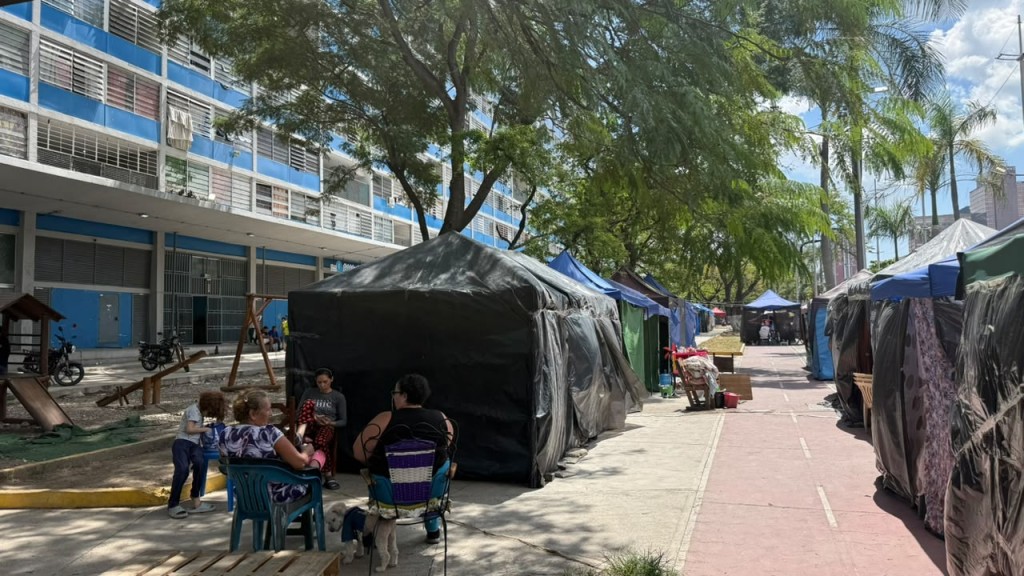
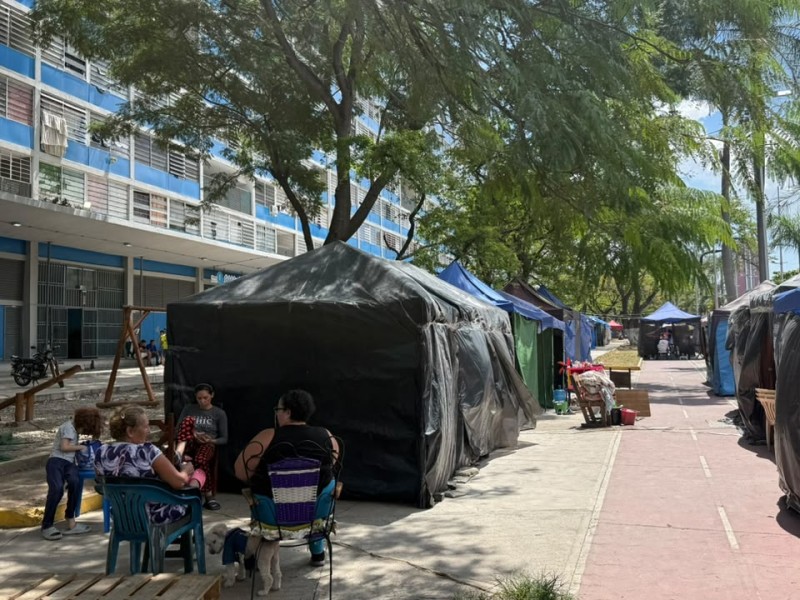
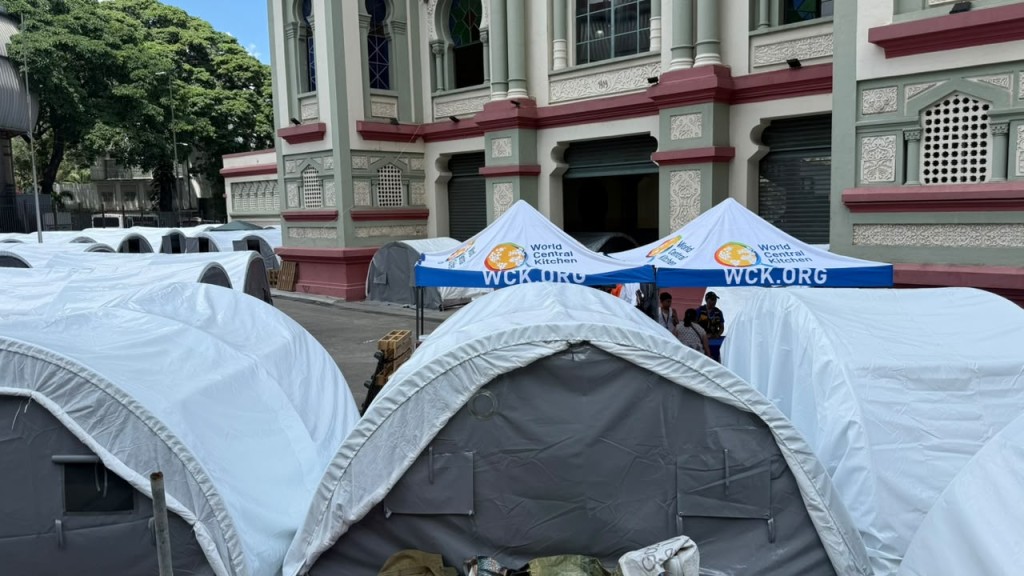
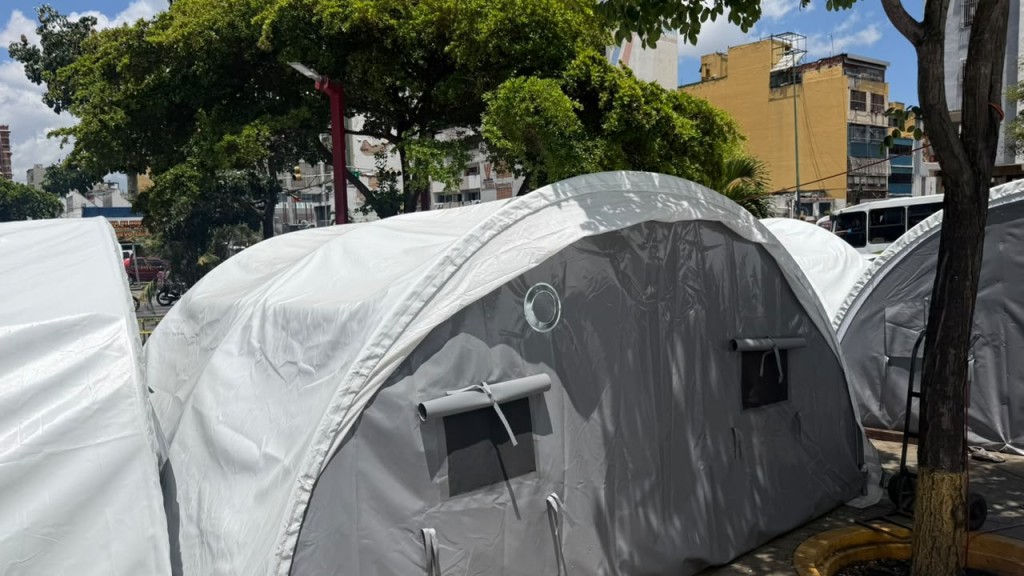
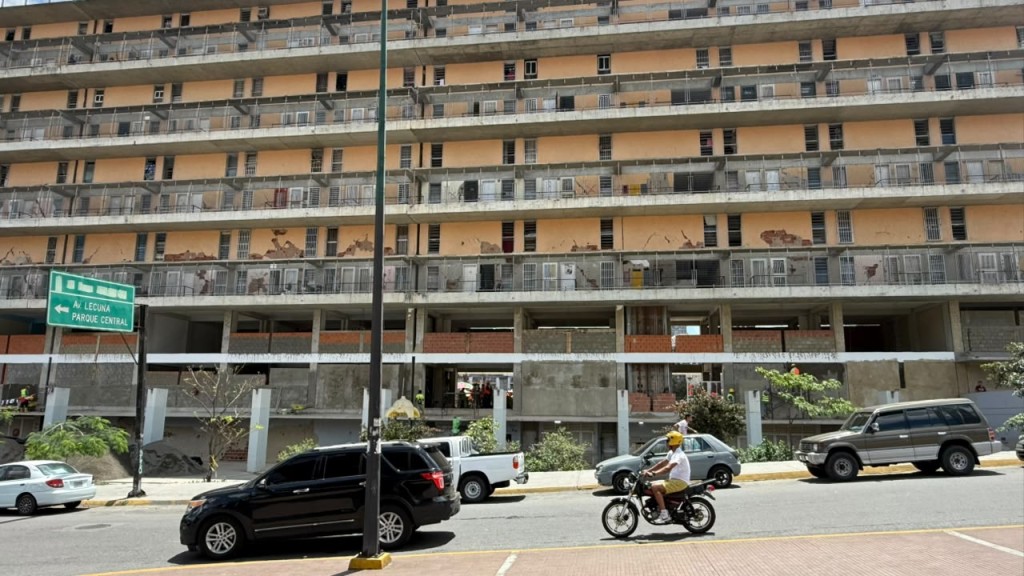
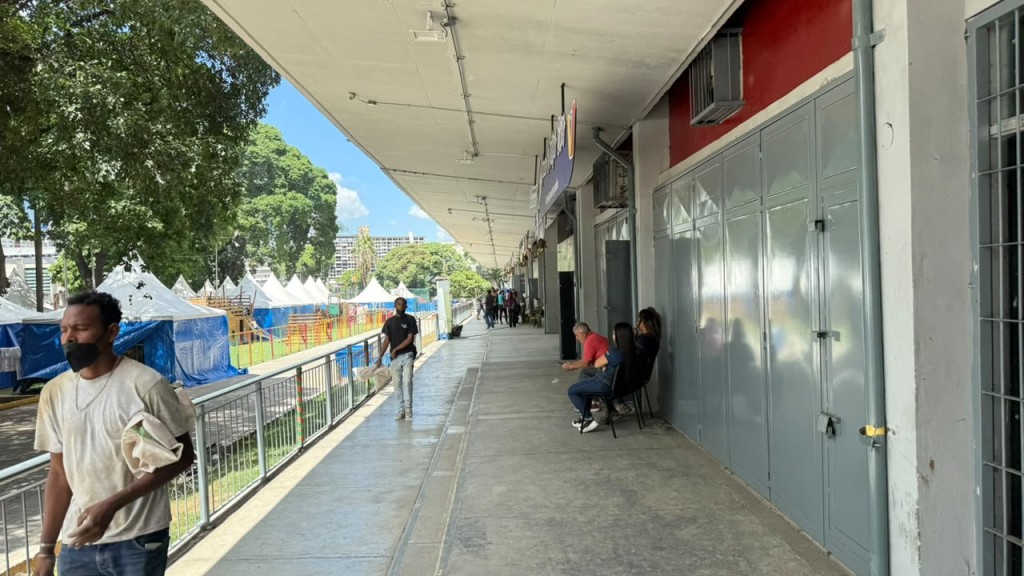
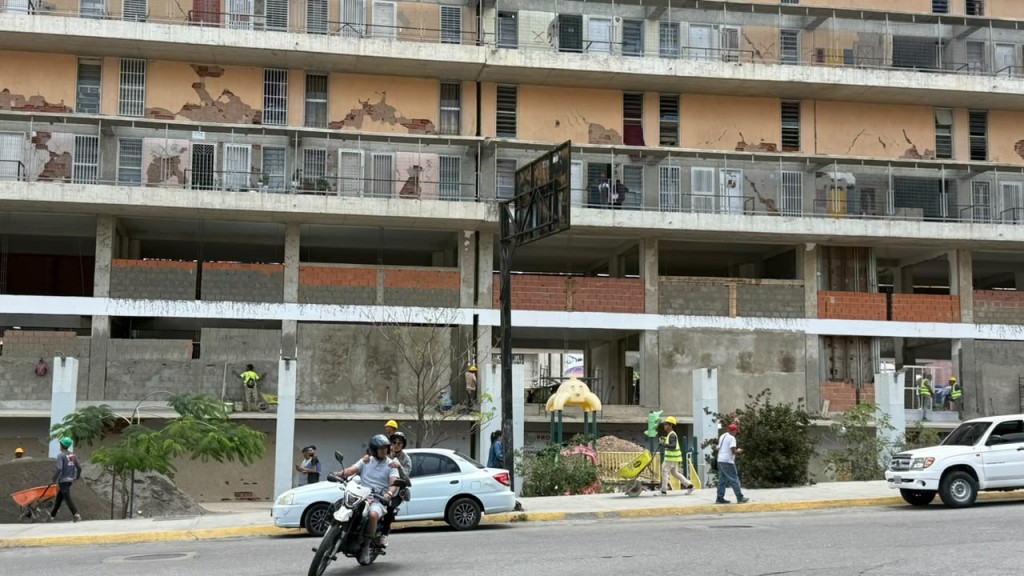
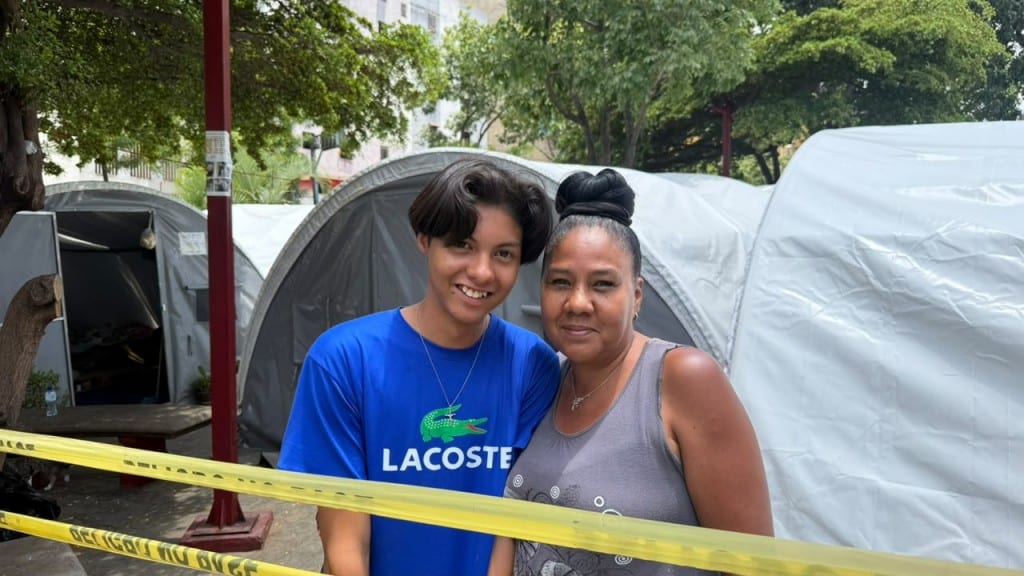
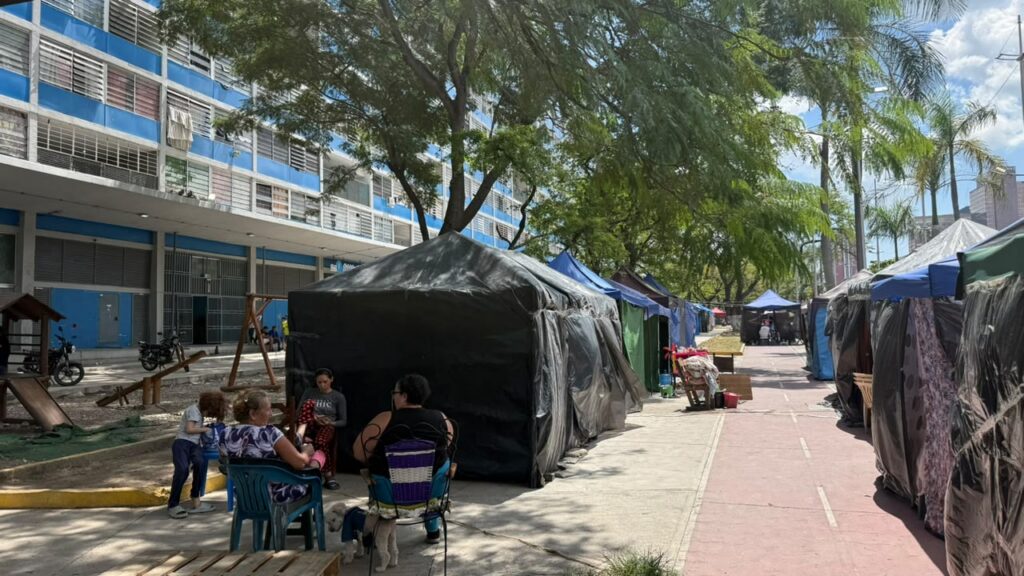
In the wake of a devastating double earthquake, a poignant scene unfolds along the Boulevard of Avenida Bolívar in Caracas, where countless families from various urban developments of the Gran Misión Vivienda Venezuela find themselves living in makeshift camps. Their lives have been upended, and they now seek shelter in tents lining the boulevard, stretching from Nuevo Circo to the vicinity of the Museum of Architecture and the Carlos Cruz-Diez Museum. These residents, once proud inhabitants of 256-unit complexes such as Ojos de Chávez and 5 Héroes Cubanos, are forced to adapt to an existence on the sidewalks, awaiting repairs for their damaged homes.
Hope Amidst Uncertainty
The rehabilitation of these residences is part of the Plan Venezuela Renace, with Ojos de Chávez designated as the pilot project for repairs in the capital. Yet, residents are met with a stark reality: repair timelines communicated by engineers range from two to five months, leaving many in a state of uncertainty. One resident expressed the frustration of not knowing when they would return home, highlighting a lack of clarity from officials. This uncertainty is compounded by delays in material supply, which have contributed to the stoppage of work at construction sites.
Strained Living Conditions
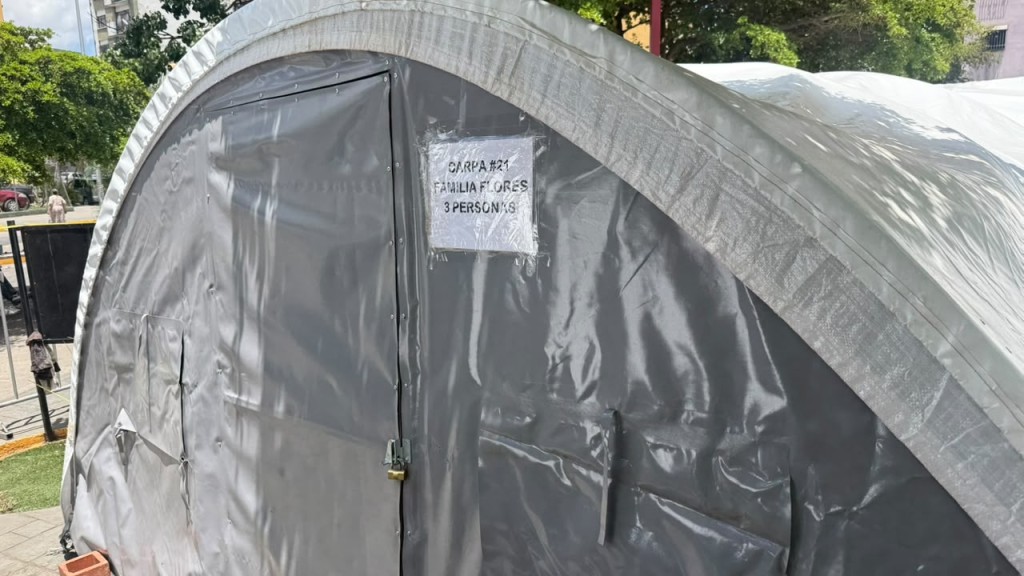
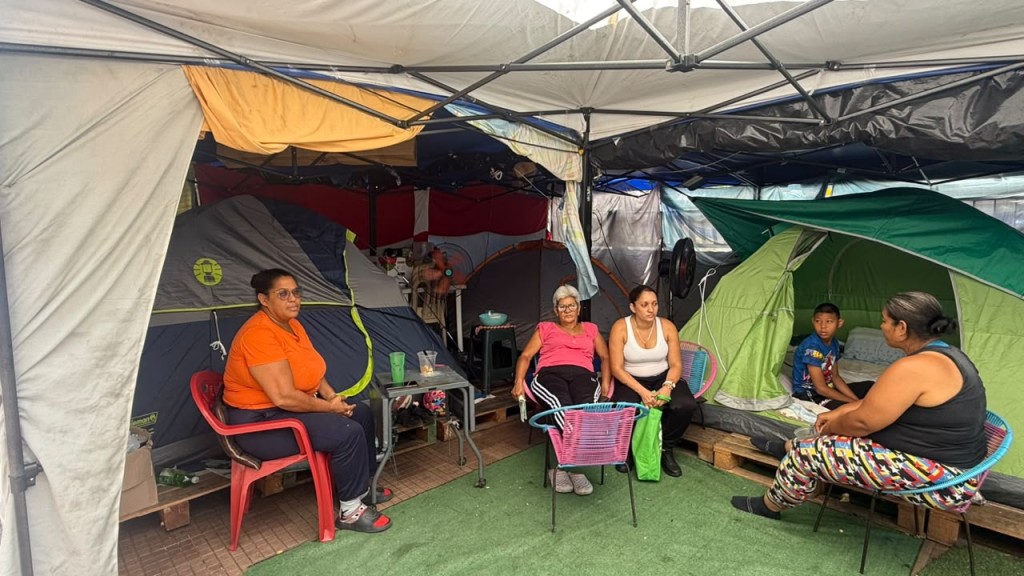
The temporary shelters have become increasingly challenging as time goes on. Families report water entering their tents during rainstorms, and the cramped conditions leave little room for comfort. For instance, Eugenia Flores, a 51-year-old resident of the Bicentenario complex, described the difficulties of living in a makeshift tent with five family members. Her experience reflects a broader struggle among residents, who must navigate diminishing access to essential resources, including potable water and food supplies. “The initial support has waned, and we often receive inadequate food,” she lamented, emphasizing the need to travel to La Vega for proper meals.
Challenges of Daily Life
As residents continue to wait for the repairs to their homes, they face additional obstacles in their daily lives. The absence of basic services pushes them to seek alternative solutions for necessities like sanitation and hygiene. In response to the lack of electricity in their tents, some families have ingeniously extended power cables from their apartments to their makeshift shelters. Such creativity speaks to the resilience of these individuals, yet it underscores the pressing need for a more stable living environment.
Monitoring the Repairs
Efforts to restore the buildings have been met with both progress and setbacks. Residents have taken it upon themselves to monitor the work being done, yet the pace of repairs remains inconsistent. Various testimonies indicate that construction crews are often hindered by shortages of materials, resulting in sporadic work. Leida Montenegro, a 62-year-old resident, shared her concerns about the lack of a definitive timeline for repairs, echoing frustrations expressed by many in the community. This uncertainty looms large over their hopes of returning home.
Lingering Fears
Amidst the ongoing repairs, a sense of trepidation remains palpable. Some residents question the structural integrity of their buildings, fearing that even after repairs, the risk of future earthquakes could compromise their safety. Rafael Álvarez Contreras, a 32-year-old resident of Torre J in 5 Héroes Cubanos, articulated this anxiety, stating that while visible repairs progress, the fear of potential aftershocks lingers. Many have opted to remain in temporary camps until they can be assured of the safety of their homes.
A Message of Resilience
In the face of adversity, the community’s spirit remains resilient. While they contend with the physical discomforts of their current living situation and the uncertainty surrounding their future, there is a collective determination to advocate for their rights and needs. The presence of organizations like Doctors Without Borders provides some level of medical support, yet the broader community continues to seek answers and resolution to their plight.
Editorial note: This article was created by A Bit Lavish Miami’s Magazine as an original editorial reinterpretation based on publicly available reporting. Original source: efectococuyo.com. Read the original article here: https://efectococuyo.com/la-humanidad/carpas-aceras-vecinos-mision-vivienda-esperan-reparaciones/.
Images are used for editorial reference with source credit. If an image requires correction or removal, please contact A Bit Lavish.








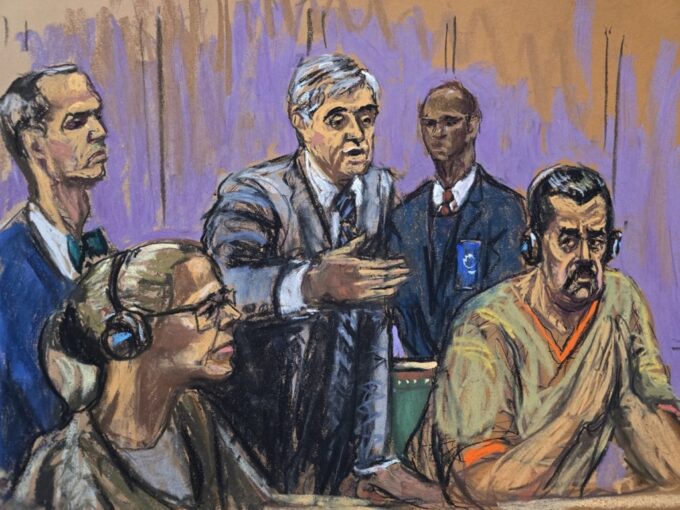
Cilia Flores Seeks House Arrest in New York Amid Health Concerns
Cilia Flores, wife of former Venezuelan president Nicolás Maduro, requests house arrest...
 2 Mins read
A New Chapter in Aviation: Maiquetía Airport’s Resurgence
Maiquetía Airport reopens with 19 airlines operating in temporary terminals, marking a...
2 Mins read
Trump’s Conditions Complicate US-Venezuela Oil Deal Negotiations
Former President Donald Trump's recent conditions on the US-Venezuela oil deal introduce...
2 Mins read


Resilience and Renewal: Vargas Prepares for a New Academic Year
As Vargas readies 239 schools for the upcoming academic year, a focus...
 ABL2 Mins read
