
Navigating Venezuela’s Political Landscape: The Implications of Recent Negotiations
A New Chapter in Venezuela’s Political Saga
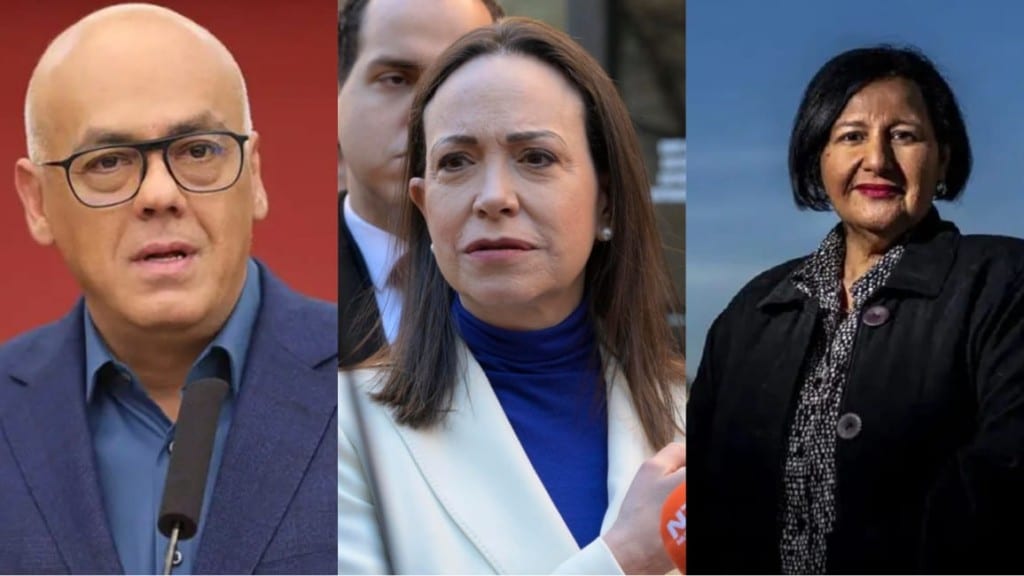
As the political landscape in Venezuela continues to evolve, the recent announcement regarding a new negotiation table has sparked significant interest and speculation. This initiative, starting on August 1, is backed by the United States and involves the National Assembly dominated by the Chavismo regime and the 2015 Delegated Commission. The prominent opposition leader, María Corina Machado, has publicly distanced herself from this process, raising questions about her future role in the changing political dynamics.
Machado’s Strategic Positioning
In a recent statement, Machado confirmed her exclusion from the negotiation framework, neither endorsing nor outright rejecting it. Her cautious approach signals a strategic maneuver, as she emphasizes the need for tangible results that could lead to a democratic transition. Political analysts suggest that while she may appear sidelined, her position could ultimately strengthen her candidacy for the presidency, depending on the outcomes of these negotiations.
The Role of International Influence
The involvement of U.S. backing highlights the complexities of the negotiations, as the interests of different parties converge. Analysts note that this new process seems more promising than prior attempts, primarily due to the direct engagement of the U.S. Department of State. However, the risks remain palpable, with calls for a clear agenda and specific milestones to ensure progress. The participation of U.S. officials adds a layer of scrutiny and expectation, shifting the dynamics of what has historically been a challenging negotiation environment.
Potential Outcomes and Political Ramifications
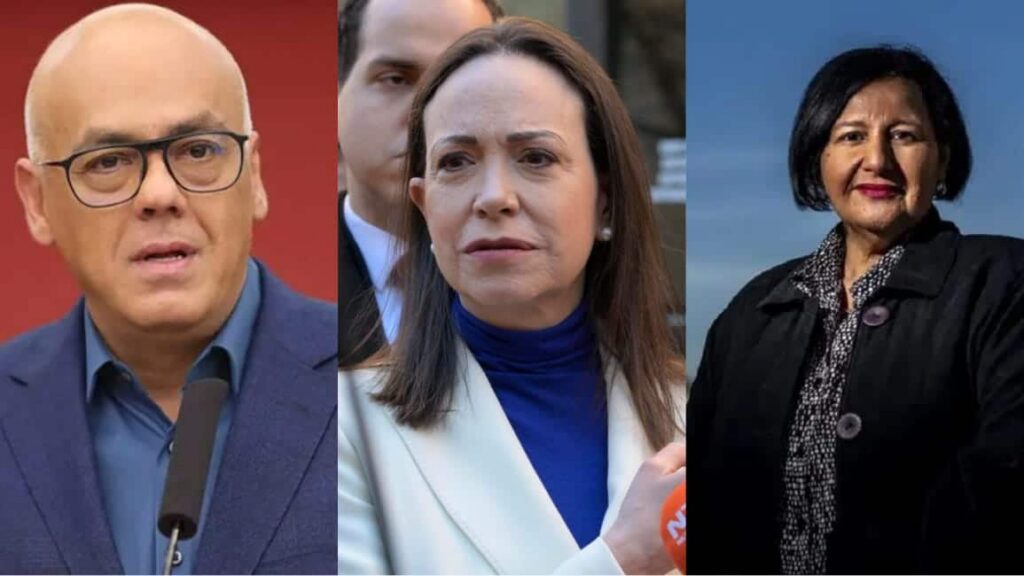
As the negotiations unfold, the implications for Machado’s political future loom large. Should the dialogue yield fruitful results, she stands to gain considerable political capital, positioning herself as a key player in any forthcoming electoral processes. Conversely, if the talks falter, Machado may find herself insulated from the political fallout, maintaining her credibility and support among constituents who seek genuine change.
The Opposition’s Landscape
The landscape of the opposition is also evolving, with factions within the Democratic Unity Platform (PUD) displaying varied responses to the negotiation process. Some members appear willing to engage, while others, including Machado, take a more cautious stance, insisting on concrete outcomes before committing. This division illustrates the delicate balance of power and influence within Venezuelan politics, as traditional alliances face new challenges.
Looking Ahead: A Call for Unity
As hopes for a democratic transition rise, the need for unity among opposition factions becomes increasingly critical. Machado and her allies emphasize the importance of a recovery plan that includes the release of political prisoners and the restoration of democratic institutions. The success of the negotiation table may hinge on how well these issues are addressed and whether the process can deliver results that resonate with the Venezuelan populace.
Editorial note: This article was created by A Bit Lavish Miami’s Magazine as an original editorial reinterpretation based on publicly available reporting. Original source: efectococuyo.com. Read the original article here: https://efectococuyo.com/politica/mesa-exito-candidatura-machado-sale-beneficiada/.
Images are used for editorial reference with source credit. If an image requires correction or removal, please contact A Bit Lavish.



Venezuela Denies Seeking Immunity for Nicolás Maduro Amid U.S. Legal Concerns
Venezuela's government has officially confirmed that it did not seek Nicolás Maduro's...
 1 Mins read
The Return of María Corina Machado: A New Chapter for Venezuela?
Exploring the implications of María Corina Machado's anticipated return to Venezuela amidst...
2 Mins read
Navigating Pragmatism: Brazil’s Political Shift and Its Implications for Venezuela
Explore the evolving political landscape in Brazil and its potential effects on...
2 Mins read
Venezuela’s National Assembly Launches Special Commission to Reform Law Against Hate
The Venezuelan National Assembly has initiated a special commission aimed at reforming...
2 Mins read